China warns against linking tariffs to Russian oil purchases, says it will not accept ‘long-arm jurisdiction’
The warning came after the US House of Representatives passed the Lindsey O. Graham Sanctioning Russia and Iran Act 2026, which authorises President Donald Trump to impose sanctions on Russia and steep tariffs on major buyers of Russian energy.
China on Thursday rejected the use of tariffs by the United States to pressure countries regarding their purchases of Russian oil and gas. Beijing emphasized that it would not accept Washington’s “long-arm jurisdiction,” which it regards as an interference in normal trade and economic cooperation. The warning arose after the US House of Representatives approved the Lindsey O. Graham Sanctioning Russia and Iran Act 2026, authorizing President Donald Trump to impose sanctions on Russia and hefty tariffs on major purchasers of Russian energy, including China and India. The legislation, which the US Senate had already passed, now awaits Trump’s signature.
China opposes the US tariffs on Russian oil, arguing that such measures constitute long-arm jurisdiction and disrupt normal trade and economic relations with other nations. The Chinese Foreign Ministry stressed that its trade relations are based on equality and mutual benefit. Such cooperation should not be disrupted or coerced by any third party.
Guo Jiakun, a spokesperson for the Chinese Foreign Ministry, reiterated China’s stance at a media briefing, emphasizing its rejection of unilateral sanctions lacking authorization from the UN Security Council. The ministry reiterated that China engages with other countries on equal terms without targeting any third party.
India, a major buyer of Russian oil, is concerned about the potential impact of US tariffs on its energy imports. The country is committed to ensuring energy security and exploring alternative oil sources to mitigate the impact of possible US tariffs on its imports of Russian oil. US sanctions on Russian oil could tighten supply, increase prices in international energy markets, and affect net energy-importing countries like India, especially amid ongoing geopolitical tensions.
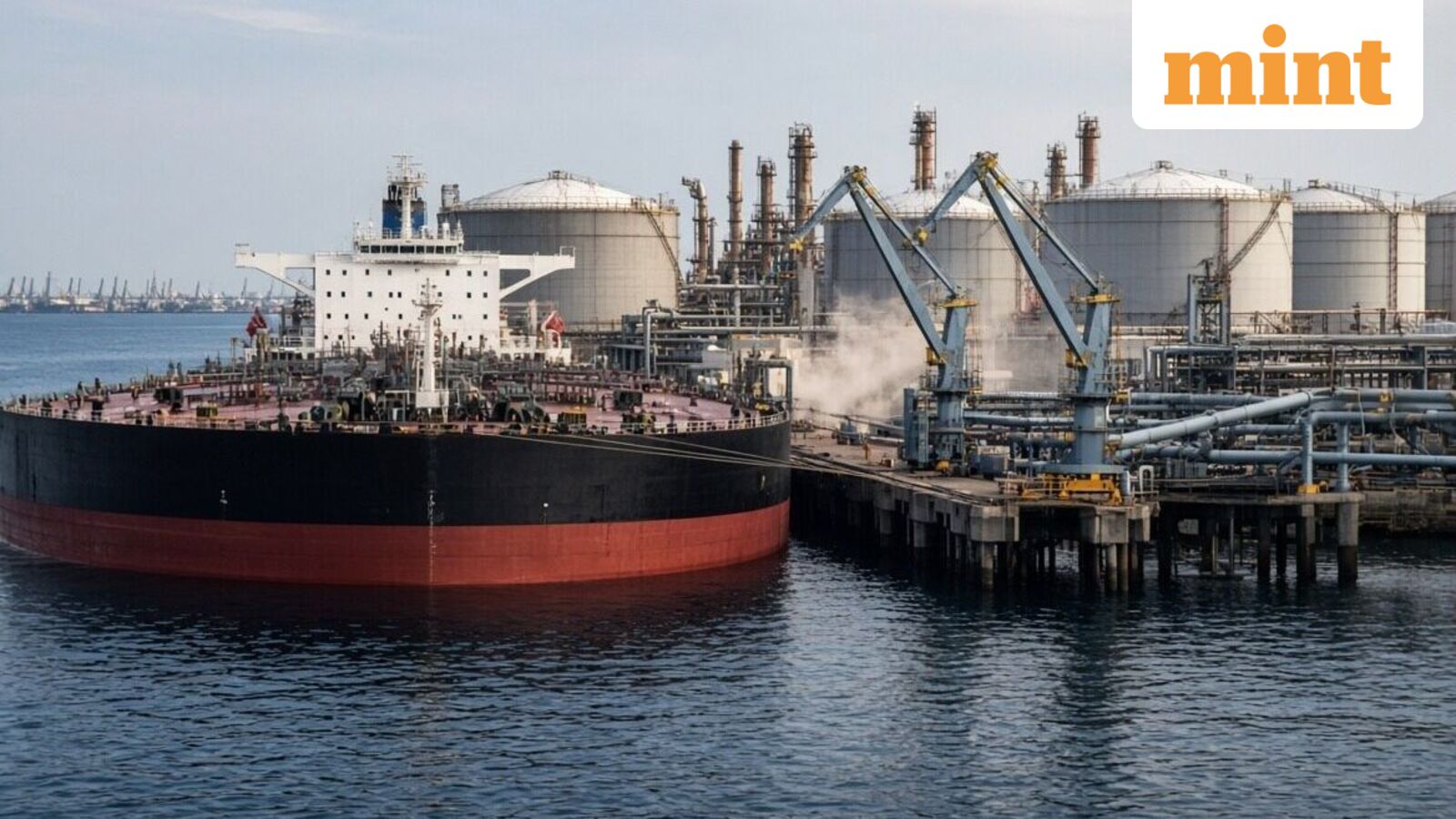
The bill targets not only Russia’s leadership and energy sector but also vessels involved in alleged sanctions evasion and imposes tariffs on countries like China and India to reduce their reliance on Russian energy. This is intended to push these nations towards diversifying their energy sources.
China’s latest warning comes ahead of Chinese President Xi Jinping’s planned visit to the United States for a summit with President Trump, scheduled for September 24-25. The summit would be the second between the two leaders this year. President Trump visited Beijing in May and held extensive talks with Xi. Despite the disputes over Russian energy, China and the US are continuing talks on tariff reduction.
China’s Commerce Ministry announced that Beijing and Washington were discussing a reciprocal tariff reduction framework covering $30 billion worth of products from each side. India separately cautioned that the US sanctions legislation could affect its ties with Washington and the global energy market, particularly as it provides for punitive tariffs up to 100% on major Russian crude buyers.
The Ministry of External Affairs stated that India remains committed to ensuring its energy security and will take necessary measures to protect its trade and economic interests. India is closely monitoring the developments following the passage of the legislation and has discussed the issue at high levels with US interlocutors recently.
The government plans to work closely with Indian trade and industry bodies to manage the implications of these developments.
Written by urgent.news from Live Mint's reporting — not their text. Machine-written — may contain errors; check the original before relying on it.