Beyond Cricket: India's Emerging Sports Ecosystem Eyes Growth Through Leagues, Investment & Grassroots Development
For decades, cricket has been India’s sporting and commercial superpower. But the country’s next major sports story may unfold beyond the boundary. From kabaddi and hockey to archery, shooting, boxing, kho-kho and newer pursuits such as pickleball, a broader ecosystem is emerging, driven by leagues, state investment, broadcasters, brands and demand for sporting experiences. That shift was central…
India's sporting landscape is undergoing a transformation, with a growing ecosystem beyond cricket. Once the country's dominant sporting and commercial force, cricket now shares the spotlight with other sports such as kabaddi, hockey, archery, shooting, boxing, and emerging games like pickleball. This diversification stems from a combination of leagues, state investment, broadcasters, brands, and the public's growing appetite for diverse sporting experiences.
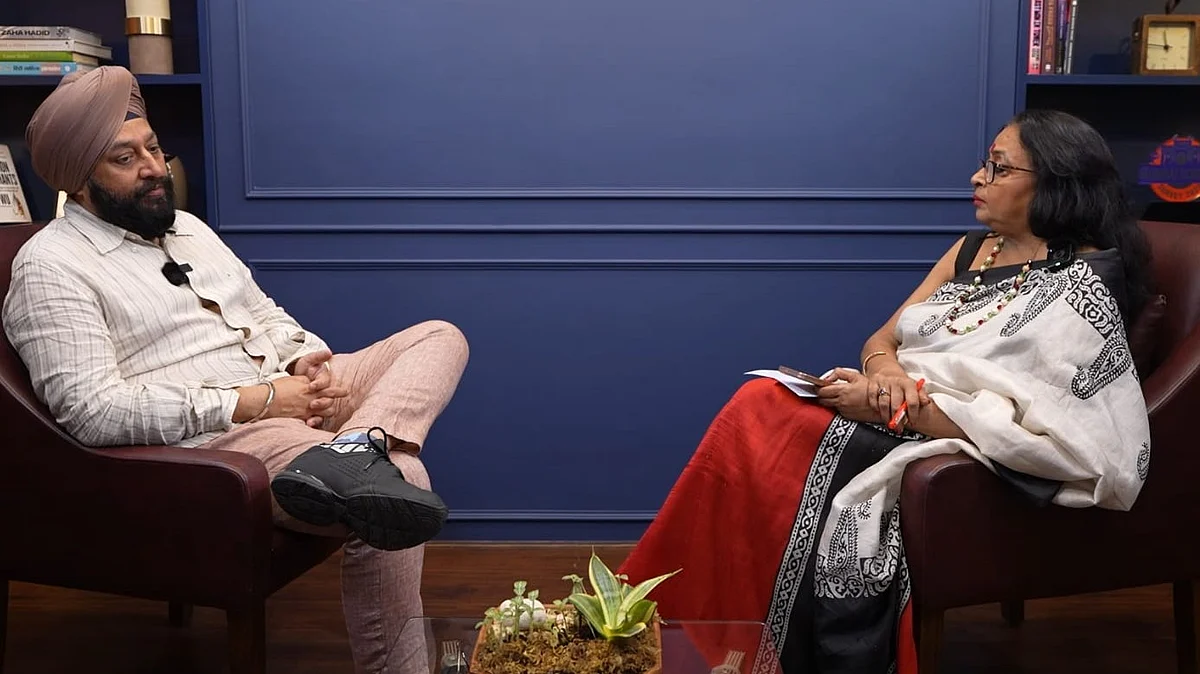
Kalpana Ravi's conversation with Mandeep Malhotra, founder and CEO of Srishti Media, highlighted the importance of converting raw talent into sustained success in international competitions. While cricket has already established this pathway, the opportunity now lies in replicating its success across other disciplines. State governments are increasingly recognizing their role in this evolution, and new leagues are providing platforms for athletes and raising their profile.
However, simply increasing visibility is not enough to produce champions. Athletes must receive early identification, comprehensive support systems, and protection from setbacks such as injuries or underperformance. The focus should be on cultivating a broader pool of athletes rather than depending on a single medal prospect.
The conversation also questioned the conventional approach of sports sponsorship, which often favors cricket because of its large, easily measurable audience. This familiarity has resulted in advertising clutter. Emerging sports, however, offer fewer competitors and can provide brands with unique opportunities to connect with audiences through athlete-led narratives.
Broadcasters have a role beyond simply securing broadcasting rights. They could support the growth of new leagues through airtime, investment, or ongoing content creation, helping these leagues develop their own audience bases and sustainable business models. Kho-kho, for instance, has shown how a game once played only in schoolyards can evolve into an internationally recognized sport, with 29 countries and 41 teams participating in its World Cup.
Looking ahead, India's ambitious goal of winning 100 Olympic medals by 2036 is more than just a target; it represents a long-term vision for expanding India's sporting presence. Achieving this would require early identification of talent, widespread participation, robust infrastructure, and continuous support for athletes at all levels.
Rather than competing directly with cricket, India has the unique opportunity to expand the overall sporting ecosystem, making a wider range of sports visible, attractive, and financially viable.
Written by urgent.news from Free Press Journal's reporting — not their text. Machine-written — may contain errors; check the original before relying on it.