Better distribution of health workers could help cut maternal deaths – UNFPA
The United Nations Population Fund (UNFPA) has called for increased investment in health workers and life-saving reproductive health commodities as part of efforts to reduce maternal deaths in Ghana.
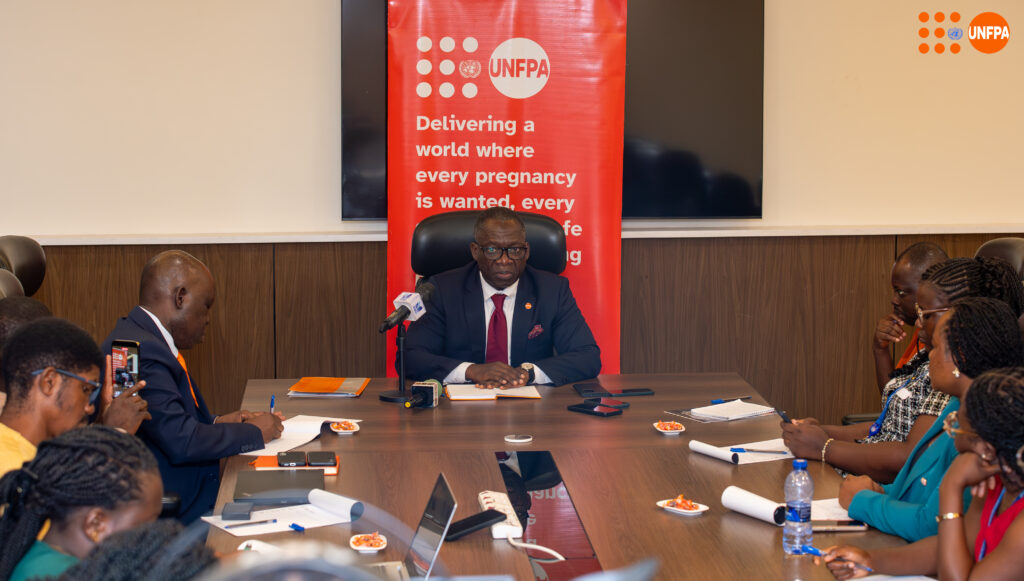
The United Nations Population Fund (UNFPA) has urged increased investment in health workers and life-saving reproductive health commodities to reduce maternal deaths in Ghana and other countries in the region. UNFPA's Regional Director for West and Central Africa, Sennen H. Hounton, emphasized that many countries struggled with inadequate human resources for health despite producing trained professionals.
He highlighted that fiscal constraints often limited the number of health workers recruited and their equitable distribution across communities. Hounton proposed better redistribution of existing health workers as a cost-effective solution, advocating for governments to assess the number of workers against the populations they serve and ensure a more equitable distribution.
He also stressed the importance of increasing investment in reproductive health commodities, particularly contraceptives, which are considered life-saving. Currently, these commodities often rely on donor funding rather than government contributions, which are insufficient to meet the population's needs. Hounton further emphasized the need for social mobilisation, involving traditional leaders, human rights watchdogs, and community actors to address maternal health challenges.
He proposed regular information dissemination on maternal health outcomes to monitor progress and drive action. Hounton acknowledged the potential for skepticism about the accuracy of these figures but argued that visibility would bring communities closer to the reality of maternal deaths. Better coordination among government and development partners was also crucial to reduce duplication and wastage in the health sector.
Each country, Hounton noted, had unique circumstances requiring tailored solutions. He expressed confidence in Ghana's Ministry of Health and its leadership, believing they would identify bottlenecks and address them. This call to action coincides with the launch of a five-year Presidential Initiative on Maternal Health Emergency Response (PRIMER), with UNFPA supporting the effort to reduce maternal mortality and enhance emergency care for pregnant women and newborns.
Written by urgent.news from MyJoyOnline Ghana's reporting — not their text. Machine-written — may contain errors; check the original before relying on it.