Bank of Japan raises interest rates to 31-year high
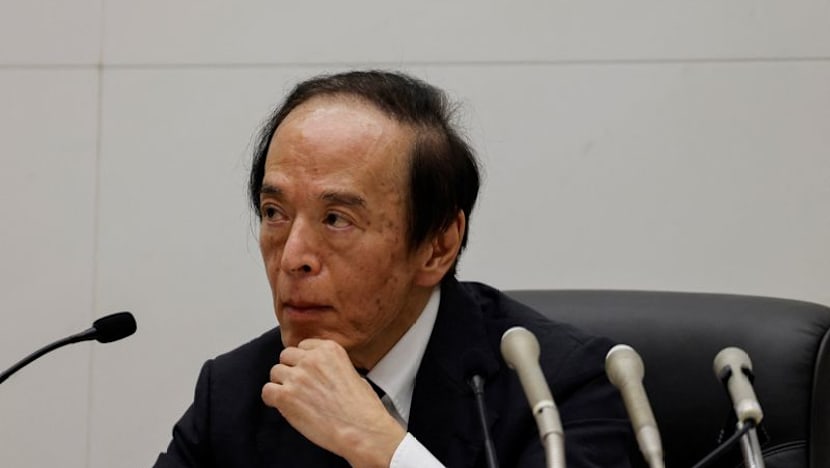
On September 18, the Bank of Japan (BOJ) raised its interest rates to a 31-year high of 1.25%, signaling its determination to combat persistent inflation pressures driven by soaring oil costs. This was the first hike in three months and marked a significant shift away from decades of ultra-low rates that had made the yen a cheap global funding currency.
The decision to raise rates came after similar moves by the European Central Bank and the US Federal Reserve, highlighting the global focus on inflation risks caused by energy cost spikes, fiscal expansion, and AI investment.
The BOJ raised its policy rate to 1.25% from 1% by a 7-2 vote, with two dissenting members, Toichiro Asada and Ayano Sato. Inflation has been approaching 2% as companies pass on higher wages and inflation expectations continue to rise. While the economic and price developments align with the BOJ's baseline forecast, there is a risk that underlying inflation could deviate from its 2% target.
Markets are closely watching BOJ Governor Kazuo Ueda's news conference for clues on the pace and timing of future rate hikes. The current divergence in policy rates with other major central banks may keep the yen weak against other currencies, potentially raising import costs and broader inflation.
Written by urgent.news from CNA - Business's reporting — not their text. Machine-written — may contain errors; check the original before relying on it.
This story
This is one outlet's version. Read the fullest account.
- Bank of Japan set to raise interest rates to 31-year high businesstimes.com.sg
- Bank of Japan set to raise interest rates to 31-year high channelnewsasia.com