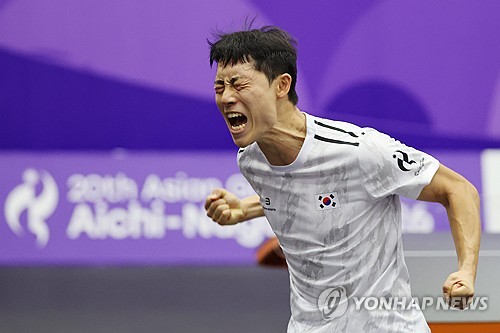
Asian Games: Turn Fair Play into Power to Promote Friendship
Can Asian countries and regions — some of which have conflicts and disputes with each other — bridge the gaps between them? It is hoped that this sports event will serve as an opportunity to reaffirm the bonds between neighbors.
The Asian Games, also known as the Asian Olympics, are a quadrennial sports event that aims to foster unity among nations. In 2021, the event, held in Aichi and Nagoya, Japan from September 19 to October 4, will see over 15,000 athletes and staff from 45 countries and regions participate. This year's Games will feature 43 sports, including athletics and swimming, with some serving as Olympic qualifiers.
The Japanese delegation is aiming to surpass their record 78 gold medals from the 1966 Asian Games in Bangkok. Among the favorites are wrestler Akari Fujinami and swimmer Shin Ohashi, both eyes on a gold medal at the upcoming Los Angeles Olympics.
The Asian Games were first held in 1951 to promote peace among nations. The event marks the third time Japan has hosted the summer Asian Games, with each edition showcasing the country's organizational prowess. The 1994 Asian Games in Hiroshima underscored the significance of peace following the atomic bombing.
However, hosting a large-scale international sports event comes with its challenges. This year, the projected cost of hosting the Asian Games and Para Games has ballooned to ¥370 billion, primarily due to rising material and labor costs. In a bid to reduce expenses, the plan to build an athletes' village has been scrapped, and container-style accommodations and cruise ships will be utilized instead.
The absence of an athletes' village may impact athlete interactions. The organizing committee must remain vigilant of potential weather-related disruptions, such as the heavy rains that struck the Tokai region on September 8, prompting temporary evacuations of athletes from container-style accommodations.
Written by urgent.news from The Japan News by The Yomiuri Shimbun's reporting — not their text. Machine-written — may contain errors; check the original before relying on it.