Ashwini Vaishnaw lays out six pillars of Semicon 2.0, from chip design to clean room talent
Union Minister Ashwini Vaishnaw outlined the six pillars of Semicon 2.0 at Semicon India 2026, spanning design, materials, fabs, packaging, applied R&D and talent.
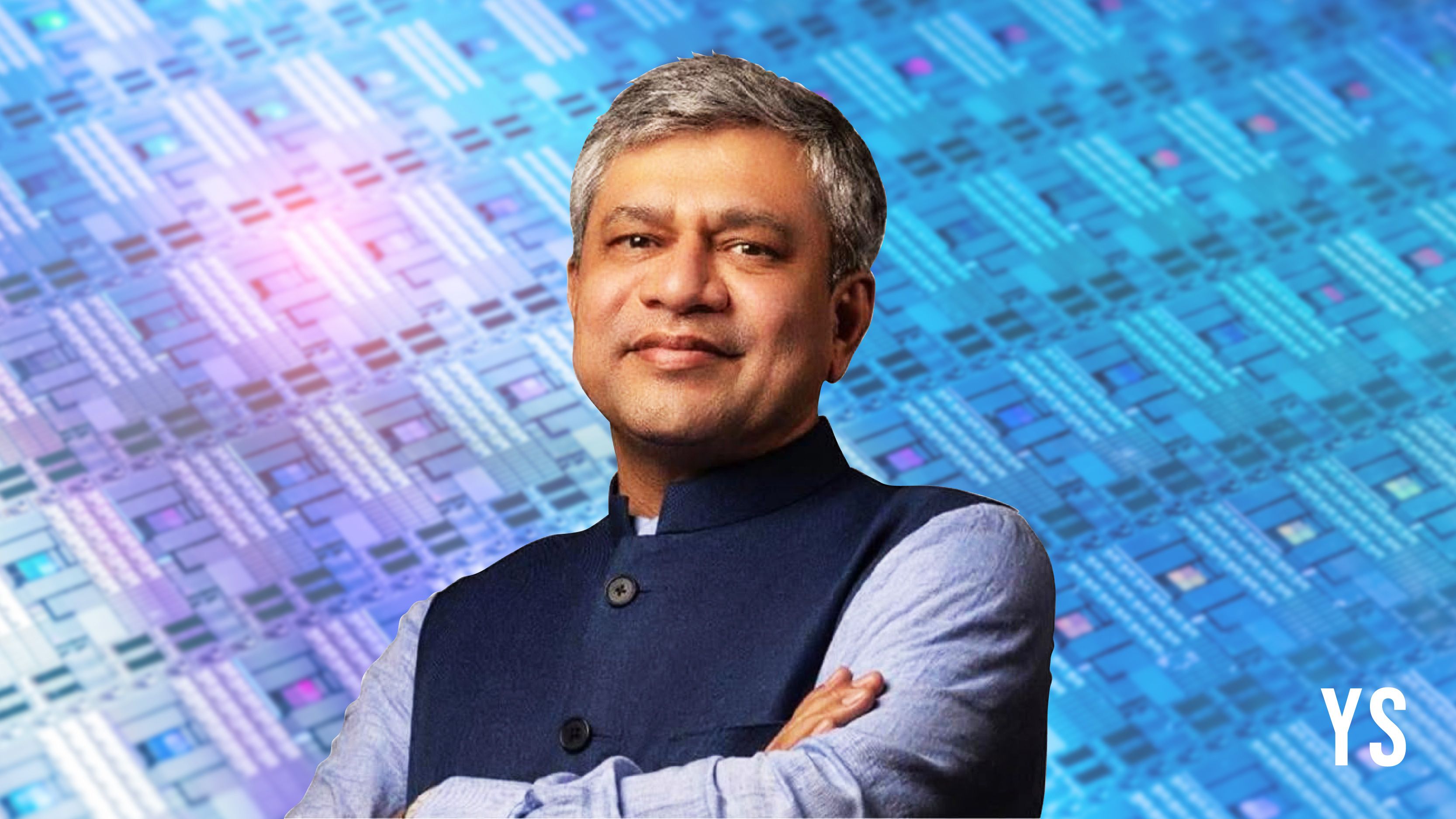
On September 17, 2026, Union Minister Ashwini Vaishnaw outlined the six key pillars of Semicon 2.0, the second phase of India's semiconductor program. Building upon the foundation established in the first phase, Vaishnaw emphasized that the next round would focus on developing the industry further. The India Semiconductor Mission, established five years ago, has approved 12 projects under the first phase, with five plants now in commercial production.
Semicon 2.0 aims to increase the ecosystem supporting semiconductor manufacturing. The first pillar, design, will focus on increasing the number of chip designers in India from 105 in the first phase to at least 200. The second pillar, machines and materials, will expand its coverage to include capital equipment, maintenance services, chemicals, and gases.
The third pillar, more fabs, will expand the range of fabrication facilities, including display, memory, silicon, compound, and logic. The fourth pillar, advanced packaging, will see the establishment of a 3D packaging unit in Odisha, with more units being sought. The fifth pillar, research and development, will involve applied, industry-required work jointly carried out by industry and academia. The sixth pillar, talent, will target one lakh technicians for clean rooms and factory floors.
Vaishnaw highlighted that over 28 countries are participating in this year's conference, demonstrating the widening of India's supplier base. The minister stressed that Semicon 2.0 aims to create an ecosystem, rather than focusing solely on fabs, as each new plant should have local suppliers and workers. The minister also mentioned that the second step of the long journey towards Viksit Bharat (Developed India) involves defining applied research and development projects with industry and ensuring the production of clean room-ready workers through the technician programme.
Written by urgent.news from YourStory's reporting — not their text. Machine-written — may contain errors; check the original before relying on it.