As drought shrinks Sri Lanka’s water holes, poisoning poses threat to wildlife
YALA, Sri Lanka – One early morning in July 2016, six wildlife officers waited in a patch of scrubland close to a small pond in southern Sri Lanka. They had received information that poachers had poisoned the water hole to kill wild animals for meat. A dead deer lay beside the poisoned pool as the […]
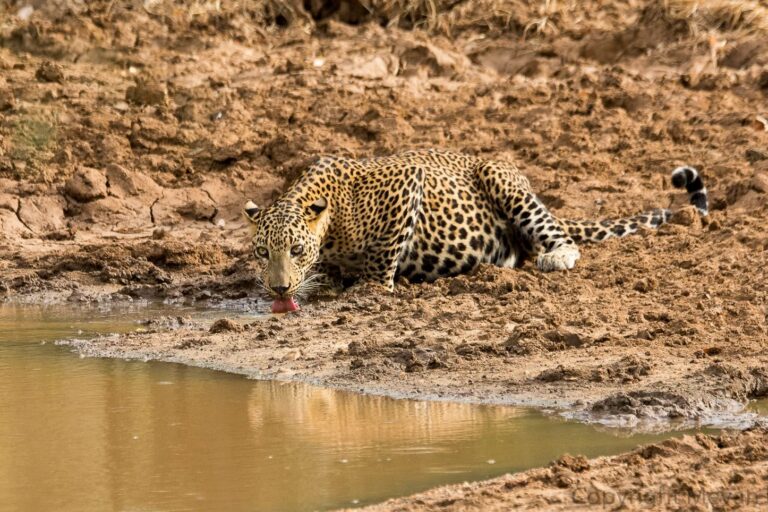
On a chilly morning in July 2016, six wildlife officers stood in a patch of scrubland near a small pond in southern Sri Lanka. They had been tipped off that poachers had doused the water hole with poison, intending to kill wild animals for sustenance. As the officers waited for the perpetrators to return, they discovered a dead deer beside the tainted pool.
When two men approached the carcass, the officers acted swiftly. One suspect fled, while the other, a wildlife ranger, fought back as he tried to escape. In the ensuing struggle, the ranger’s rifle went off, fatally wounding him in the stomach. He was rushed to a hospital but succumbed to his injuries.
This incident, which occurred in the Sinukkugala jungles approximately 10 miles from the town of Hambantota in Sri Lanka’s dry zone, shed light on the severe consequences of poisoning water sources. Poachers were not merely taking a single life; they were transforming water, an essential resource in Sri Lanka’s arid landscape, into a lethal trap.
Despite these warnings, poisoning incidents continue to plague the region. In a recent incident in July 2023, wildlife officers found the remains of 17 deer near an empty agrochemical bag that could have been used to poison the animals. A pregnant doe among them died after consuming water from a poisoned water hole, along with her unborn fawn.
During periods of drought, wildlife congregates around scarce water sources, making them particularly vulnerable to such nefarious acts. The Department of Wildlife Conservation has been consistently warning against the pernicious practice of poisoning water holes, emphasizing the dire need to protect these vital resources and the myriad species that rely on them.
Written by urgent.news from Mongabay's reporting — not their text. Machine-written — may contain errors; check the original before relying on it.