Are best books lists 'reductive and performative' or good for readers?
While best books lists have their detractors, the form has proved popular for 150 years. What's behind the enduring appeal of the best-of list?
Annual best-of book lists, such as ABC Radio National's Top 100 Australian Books, have long sparked conversation about the literary canon and societal values. These lists are not without criticism, with some arguing they are subjective, reductive, and performative, reflecting a contemporary focus on productivity and completism. However, they play a role in driving sales and engaging literary culture.
For writers like Jennifer Egan, a list can serve as a "turning point" that boosts a book's visibility. In an age of information overload, these rankings help guide readers toward highly-valued works. Despite declines in reading, the number of best-of lists appears to be increasing, with websites like BookTok creating meta-lists based on algorithms.
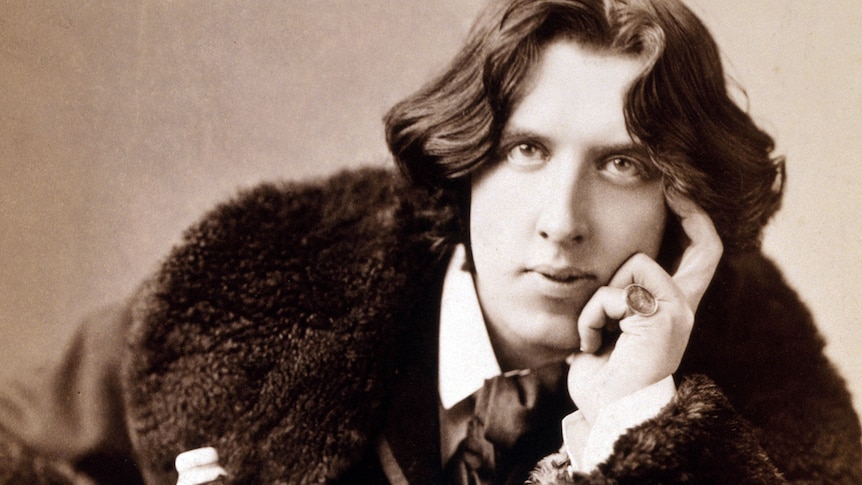
Sir John Lubbock first popularized the concept in 1886, his list sparking a public debate in Victorian society. Even Oscar Wilde weighed in, arguing that a list of "The Worst Hundred Books" would be more useful in an era of overreading. Australian authors have had mixed success on international lists, with only two representatives on the Guardian's 2019 top 100.
The ABC Radio National's Top 100 Books of the 21st Century includes 26 Australian titles, with Trent Dalton's 2018 novel Boy Swallows Universe topping the poll, reflecting thoughtful discussions about representation and literary value.
Written by urgent.news from ABC News AU's reporting — not their text. Machine-written — may contain errors; check the original before relying on it.