AI-to-AI Payments: Why Autonomous Agents May Need Their Own Economy
Artificial intelligence is rapidly moving beyond the role of a tool that simply answers questions. The next generation of AI systems is being designed to act. Autonomous agents can analyze information, make decisions, interact with software, negotiate with other agents and execute multi-step tasks with limited human involvement. Increasingly, the financial industry is asking the logical next…
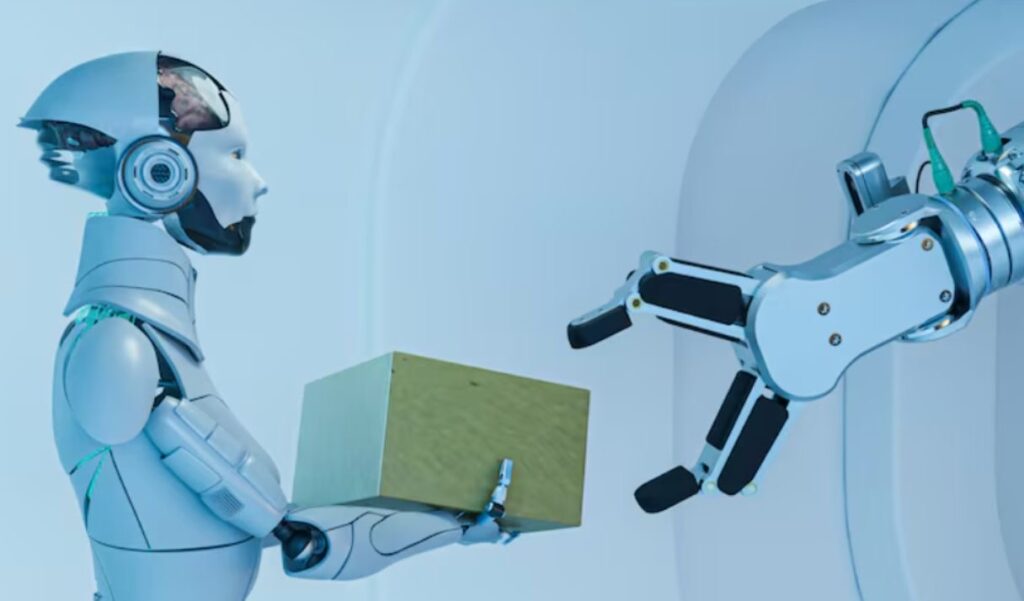
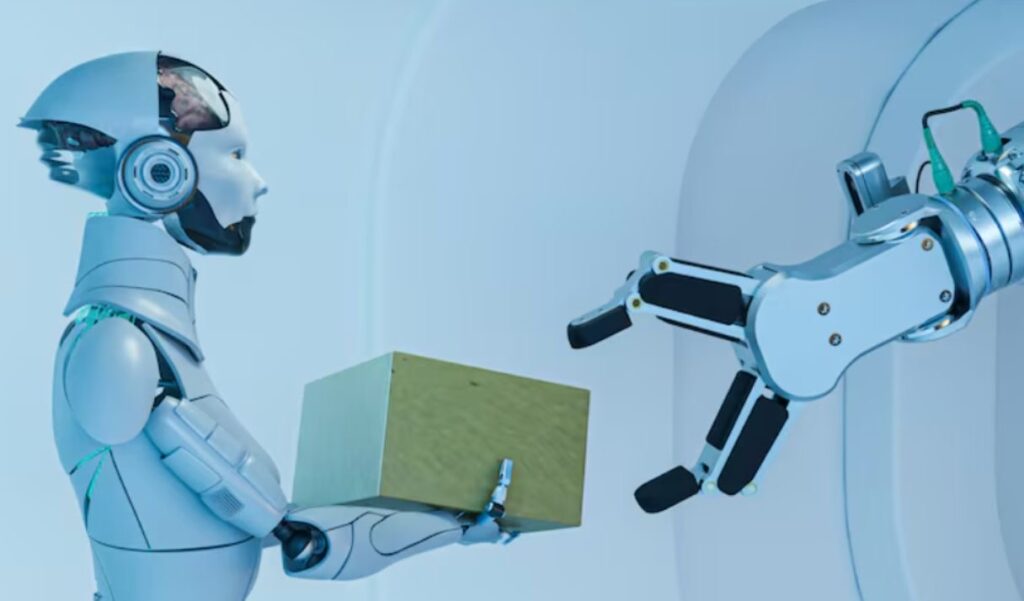
Artificial intelligence is evolving from being just a tool that answers questions to an agent that can act on its own. These autonomous agents can analyze data, make decisions, interact with software, negotiate with other agents, and carry out multi-step tasks with little human intervention. This raises the question of how AI agents should handle financial transactions among themselves. The concept of AI-to-AI payments could ultimately lead to a new machine economy.
Most digital payments currently require human decisions. A person chooses a product, confirms a transaction, and authorizes the payment. However, agentic AI changes this model. An autonomous business agent could handle tasks such as purchasing cloud computing capacity, acquiring datasets, subscribing to APIs, hiring specialized AI agents, optimizing ad campaigns, and paying for digital services while adhering to limits set by its owner.
Thousands or even millions of transactions could occur between machines, rather than between people.
The IMF has noted that agentic AI could shift payments from human-initiated to agent-mediated financial decisions, affecting authorization, settlement, liquidity management, and compliance. Visa and Mastercard have also explored live on-chain activity involving AI agents purchasing computing resources, data, and other services. Mastercard has developed Agent Pay for Machines, an initiative for programmatic machine-to-machine payments, including high-frequency transactions and micropayments costing fractions of a cent.
Traditional financial infrastructure was built for humans and organizations. Autonomous agents require different capabilities, such as programmability (following predefined rules), speed (operating continuously and faster than human commerce), micropayments (costing cents or fractions of cents), identity and authorization, auditability (verifiable transaction history), and interoperability (mechanisms for agents built by different companies to communicate and transact).
Blockchain and programmable digital assets are being considered as potential components of this infrastructure. Recent academic work describes an emerging agent-to-agent finance layer, where autonomous systems can discover counterparts, purchase services, execute payments, and produce auditable evidence of their actions. A genuine autonomous financial architecture would require AI decision, authorization, execution, settlement, and verification working together.
AONICA is developing infrastructure that overlaps with autonomous financial systems. The company's ecosystem combines AI, blockchain, predictive analytics, and digital-asset infrastructure. Its roadmap explicitly mentions a long-term transition toward autonomous financial systems and an AI Financial Operating System. AONICA's blockchain architecture combines AI-generated analytics with smart-contract execution, which is relevant for the emerging agent economy.
However, the broader AI-to-AI economy is still in development, and AONICA's current focus is just one aspect of this emerging landscape.
Written by urgent.news from Dev.to's reporting — not their text. Machine-written — may contain errors; check the original before relying on it.