AI expands access to workforce services
Artificial intelligence is reshaping workforce service delivery, enabling public employment systems to become more proactive, personalized, and responsive. Workforce agencies are using AI to match individuals with job openings, identify transferable skills, recommend career pathways, assess service needs, generate résumés, support interview practice, and provide tailored job-search guidance.…
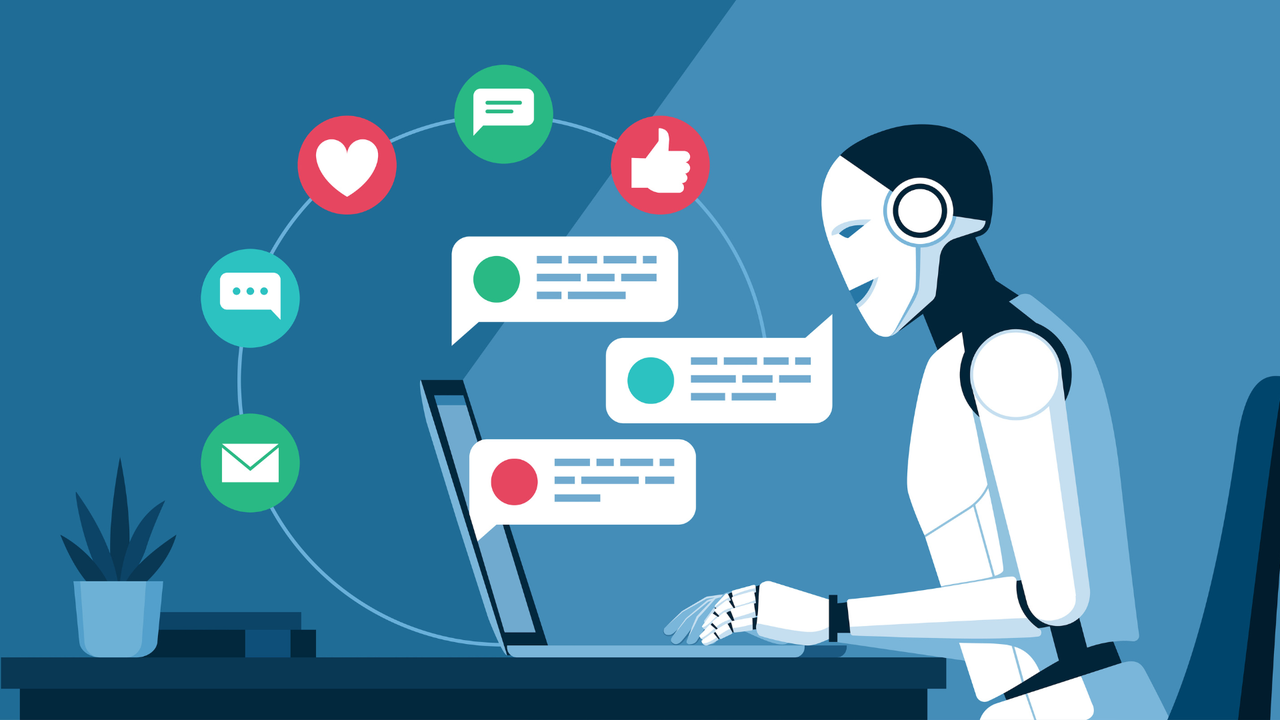
Artificial intelligence is transforming how public employment systems operate, making them more proactive, personalized, and responsive. Agencies leverage AI to match job seekers with relevant openings, showcase transferable skills, suggest career paths, evaluate service requirements, craft résumés, prepare for interviews, and provide customized job-search advice.
AI-driven assistants can also tackle frequent inquiries, assist with registration and applications, and ensure services are available outside regular business hours. As AI becomes more ingrained in workforce services and the wider labor market, equipping workers to utilize these technologies is equally crucial. Earlier this year, the U.S. Department of Labor urged state and local agencies to employ Workforce Innovation and Opportunity Act funds to help people of all ages develop essential AI skills.
This guidance highlights the workforce system's expanding role in equipping workers for an AI-centric economy.
New funding opportunities are facilitating the broader integration of artificial intelligence into workforce development programs, enabling organizations to modernize services and broaden access to education, training, and career pathways. These investments provide financial aid, technical support, and resources to create AI-powered tools that enhance individuals' connection to emerging opportunities.
Building on this progress, the U.S. Department of Labor has also issued a national contracting opportunity to enhance AI skills training within Registered Apprenticeship programs. This initiative will update curricula, incorporate AI-related occupations, and strengthen talent pipelines in industries like advanced manufacturing, telecommunications, and data centers.
By empowering workers with AI literacy and technical skills, the initiative will help them secure jobs in the future.
When AI is used responsibly, it can bolster the workforce ecosystem by connecting job seekers with employment, training, and support services, improving employer candidate matching and communication, and alleviating administrative burdens for workforce professionals. AI can also analyze labor market data to pinpoint skill requirements, burgeoning occupations, and effective service strategies, enabling agencies to deliver more targeted and responsive assistance.
Moreover, AI could make workforce systems more proactive and personalized. Rather than waiting for individuals to seek help, employment platforms could detect changing circumstances, emerging skill gaps, or potential employment risks and recommend appropriate services before someone becomes detached from the workforce. AI could also continuously generate career pathways based on a person's experience, interests, location, barriers, local labor demand, and available training.
These tools could illustrate not only the jobs individuals qualify for today but also the skills, credentials, or experiences that could help them progress into higher-paying roles.
The U.S. Department of Labor is making workforce adaptability and AI literacy central to its vision for the future of work. Its efforts encompass analyzing AI's labor-market impacts, embedding AI competencies into workforce programs, and assisting state and local systems in responding to evolving employer requirements. The National Association of Workforce Boards, in collaboration with Microsoft Elevate, has launched a partnership offering free, LinkedIn Learning-based AI courses for job seekers, career coaches, and workforce agency administrators.
These courses, grounded in real-world workforce scenarios and aligned with the Department of Labor's AI Literacy Framework, focus on practical, role-specific skills. This partnership exemplifies how national guidance can be translated into accessible training for those who regularly interact with the workforce system. It also underscores the necessity of building AI capacity at various levels to help individuals leverage AI in their careers, empower frontline staff to employ it in service delivery, and equip workforce leaders to govern the technology responsibly.
Rewritten by urgent.news; may contain errors — check the original.
Source: fastcompany.com