A tool, an intern, or a replacement
I was in a pitch meeting with a large food and beverage company a few months ago. Two software audiences in the room—users and managers. Same software product, but with two completely different asks. The users wanted AI to take the parts of their job they hated: manual visual design changes, repetitive reporting, brand validation checks. They wanted an assistant. Their managers wanted something…
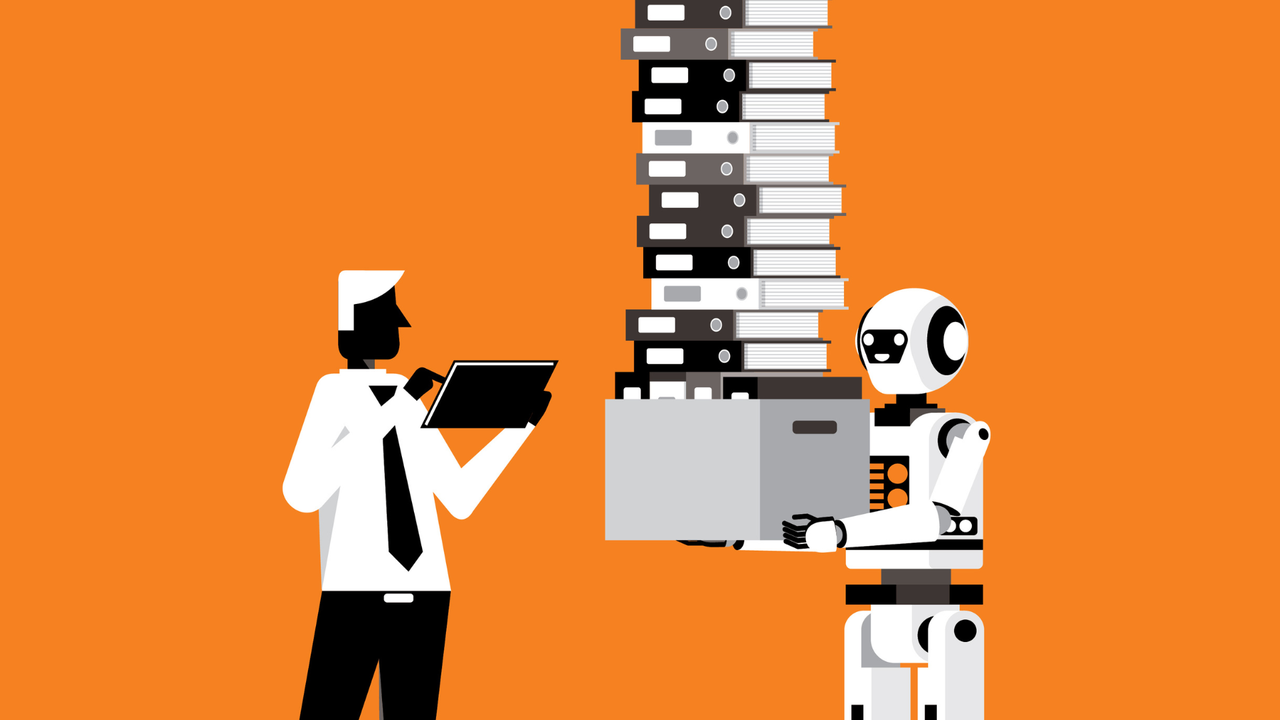
A large food and beverage company recently hosted a pitch meeting, featuring two distinct software audiences: users and managers. The users desired an AI assistant to handle manual tasks and repetitive work, while the managers sought a more cost-effective solution that could potentially eliminate roles. This discrepancy created a gap in the market, as startups marketed their AI products either as assistants or replacements, depending on which narrative was more appealing to investors and the press.
Companies such as Klarna and Artisan faced backlash for their AI strategies, with Klarna revisiting the decision to hire human agents and Artisan ultimately hiring a business development representative after initially announcing the replacement of human workers. The key takeaway is that businesses must consider who the AI product is built for before finalizing their roadmap, as the marketed product may not align with the actual needs of end-users.
Written by urgent.news from Fast Company's reporting — not their text. Machine-written — may contain errors; check the original before relying on it.