A critical pipeline that helped cushion the Hormuz shock just shut: Here’s what it reveals about corporate energy security
The Strait of Hormuz crisis offers a business playbook for managing energy disruptions and supply-chain risk.
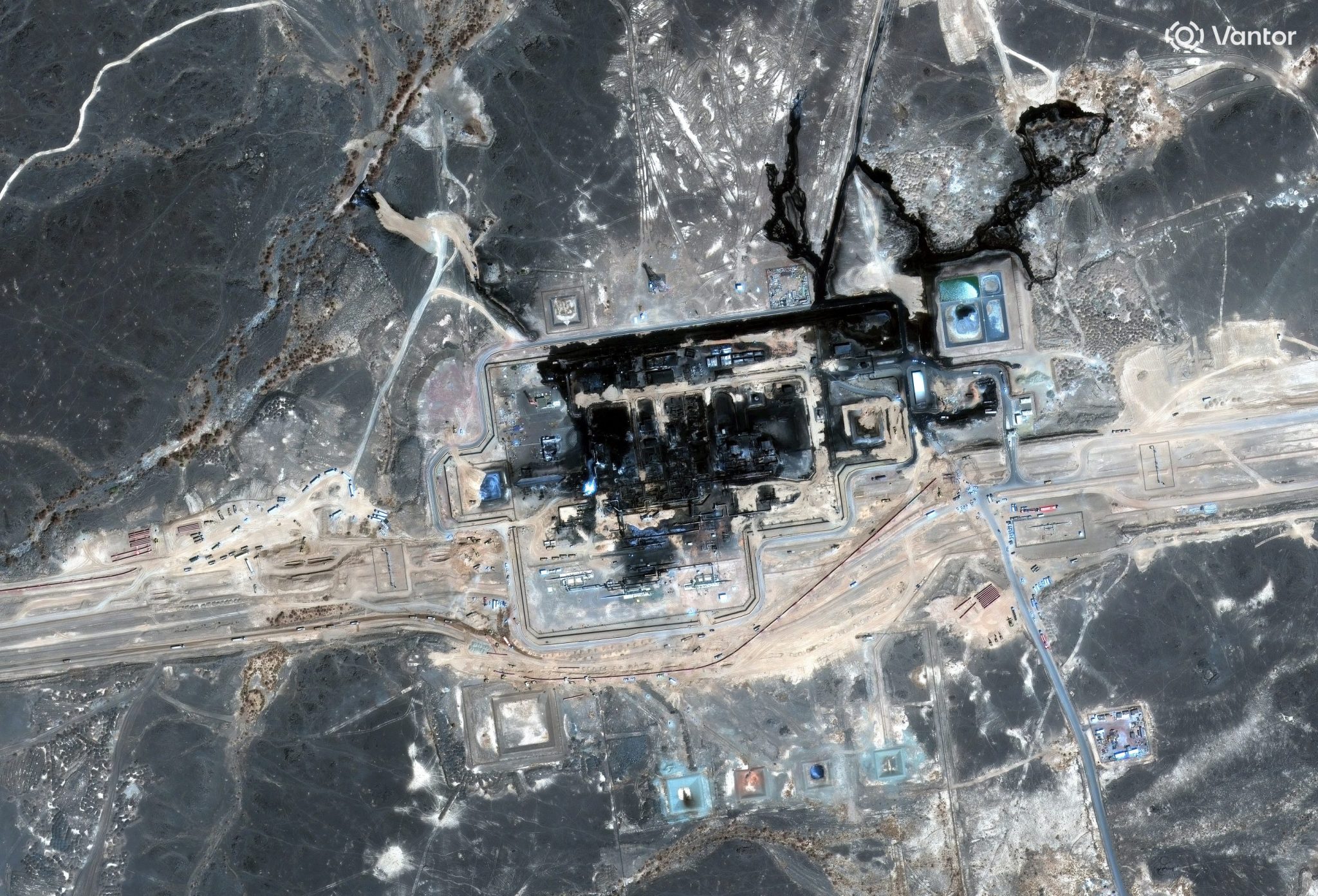
Saudi Arabia's East-West pipeline, a critical component in cushioning the impact of the recent energy shock in the Strait of Hormuz, has recently shut down. This closure, which occurred alongside the UAE's bypass pipeline, sheds light on the broader resilience measures that have helped the global energy system adapt. According to recent research, these pipelines collectively carried around 5 million additional barrels of oil per day around the Strait during the second quarter of 2026, compared to their fourth quarter 2025 volumes.
The temporary shutdown of the East-West pipeline underscores the importance of layered resilience measures, with no single solution able to absorb the full impact of the disruption. As oil consumption fell, companies responded by altering their production mix, while consumers modified their behavior. In terms of resilience, the incident highlights the dynamic nature of energy supply, with alternative routes and underutilized capacity becoming crucial during times of crisis.
For businesses, the lessons from this event extend beyond the energy sector, as energy plays a vital role in production, feedstocks, transportation, and supply chains. Companies must identify and understand their dependencies across these areas, prioritizing those that could have a significant impact on operations. In order to manage these vulnerabilities, businesses should develop stress-testing strategies and formulate appropriate responses.
The Hormuz disruption emphasizes the importance of having multiple buffers to mitigate risks, but it also underscores the need for flexibility when dealing with evolving disruptions. Companies should build a portfolio of options, including alternative fuels, diversified suppliers, inventories, and efficiency measures, tailored to their specific context and time horizon.
During the 2022 gas shock, an Indian conglomerate reduced ammonia production in Europe while sourcing it elsewhere, demonstrating the value of input flexibility. Additionally, logistics flexibility and commercial arrangements, such as destination-free LNG contracts, can enhance a company's resilience. Finally, integrating resilience considerations into investment decisions can provide long-term value.
By recognizing the potential value of resilience even in normal conditions, businesses can better position themselves to navigate energy disruptions and seize growth opportunities.
Written by urgent.news from Fortune's reporting — not their text. Machine-written — may contain errors; check the original before relying on it.