1 in 3 NYC students chronically absent as rates remain stubbornly high
New York City’s chronic absenteeism rate remains stubbornly high, with 1 in 3 students missing at least 10% of the 2025-26 school year, according to figures released Thursday. The rate remained unchanged from 2024-25 before and is markedly higher than pre-pandemic…
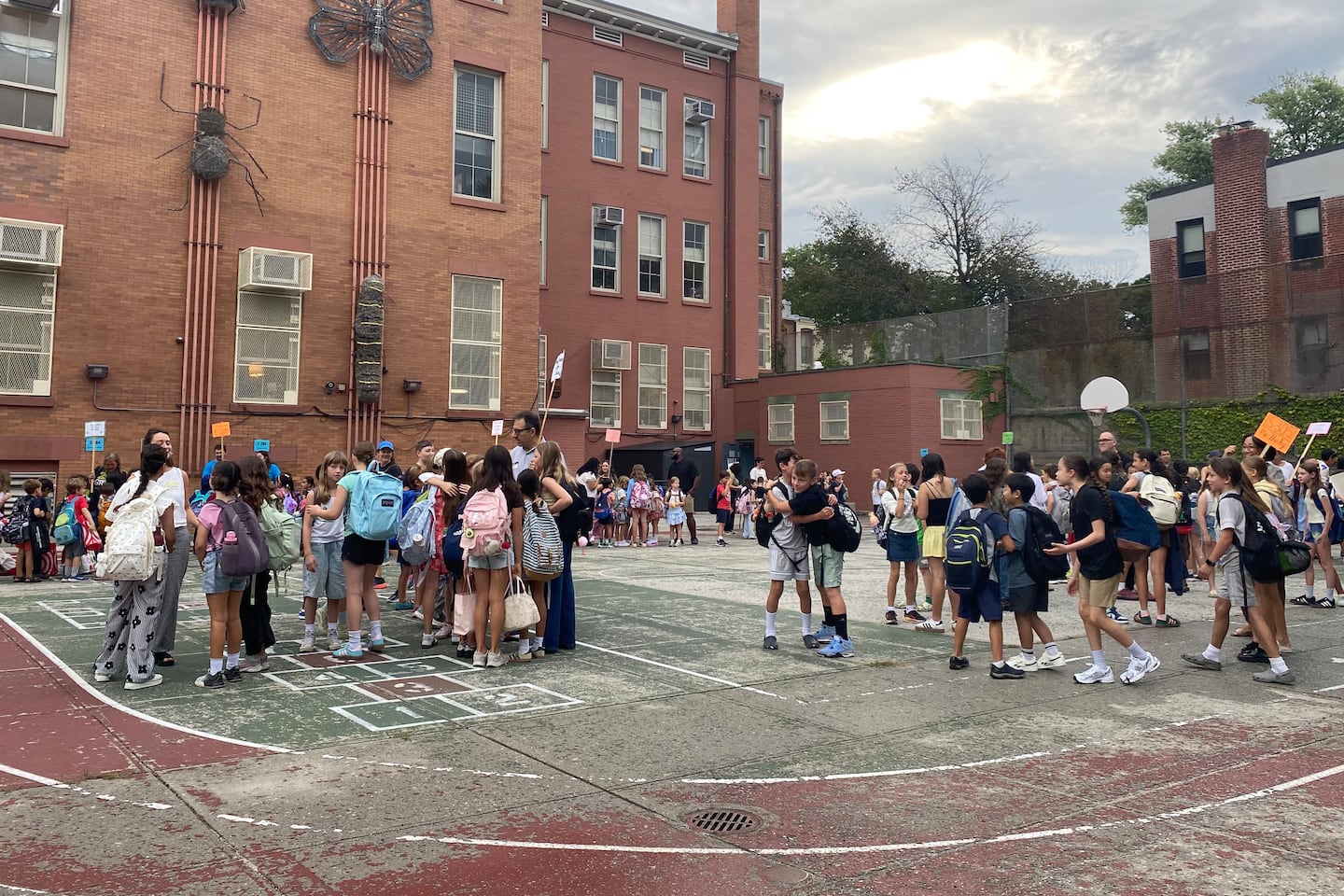
New York City's chronic absenteeism rate remains stubbornly high, with 1 in 3 students missing at least 10% of the 2025-26 school year, according to recent figures. This rate has stayed the same as the previous year and is significantly higher than pre-pandemic levels, when nearly 1 in 4 children were chronically absent. School absences impact learning, and chronic absenteeism often leads to poor academic results.
The city's Education Department is taking action to improve attendance by updating attendance policies in June and encouraging schools to implement intervention strategies.
Examples of these strategies include assigning Success Mentors, organizing extracurricular activities, providing mental health support, referring students to support services, and implementing walking school buses. Every school must appoint an attendance liaison this year to address students' absences due to social or emotional disabilities like severe anxiety or depression.
Schools should collaborate with parents and students to create individual attendance plans, identifying barriers and setting goals to prevent future absences.
Chronic absenteeism peaked at 40% during the COVID-19 pandemic, the highest level in decades, when students returned full-time to in-person learning in the 2021-22 school year. While rates have declined since then, the latest data reveals ongoing challenges in boosting attendance, particularly for the most vulnerable students, such as homeless children and those with disabilities.
Dr. Kenya Parks, medical director of the pediatric school-based health program and a pediatrician at Mount Sinai, emphasized the complex interplay of socioeconomic factors affecting attendance. She stressed the importance of collaboration between educational and medical systems to create supportive environments for children, which can positively impact their future health, job prospects, and overall quality of life.
Written by urgent.news from Chalkbeat's reporting — not their text. Machine-written — may contain errors; check the original before relying on it.