Why the US needs to rebuild its missile interceptor arsenal
The US is facing mounting costs as it races to replenish its stocks of missiles and missile interceptors that it used in the early stages of the Iran war. A report released this week by the Congressional Budget Office found that the war had cost at least $38 billion as of August 1. The biggest single expense came from firing missile-defence interceptors and munitions, which it said will leave the…
The US is grappling with mounting expenses as it strives to replenish its stockpile of missiles and interceptors utilized during the initial phases of the Iran conflict. According to a report released by the Congressional Budget Office (CBO) this week, the war has already incurred at least $38 billion in costs as of August 1. The primary expense stems from the firing of missile-defense interceptors and munitions, which the CBO projects will result in a diminished inventory of these critical assets for several years to come.
These shortages could significantly hinder the Pentagon's capability to respond effectively in the event of a future major confrontation, such as potential hostilities involving China and Taiwan.
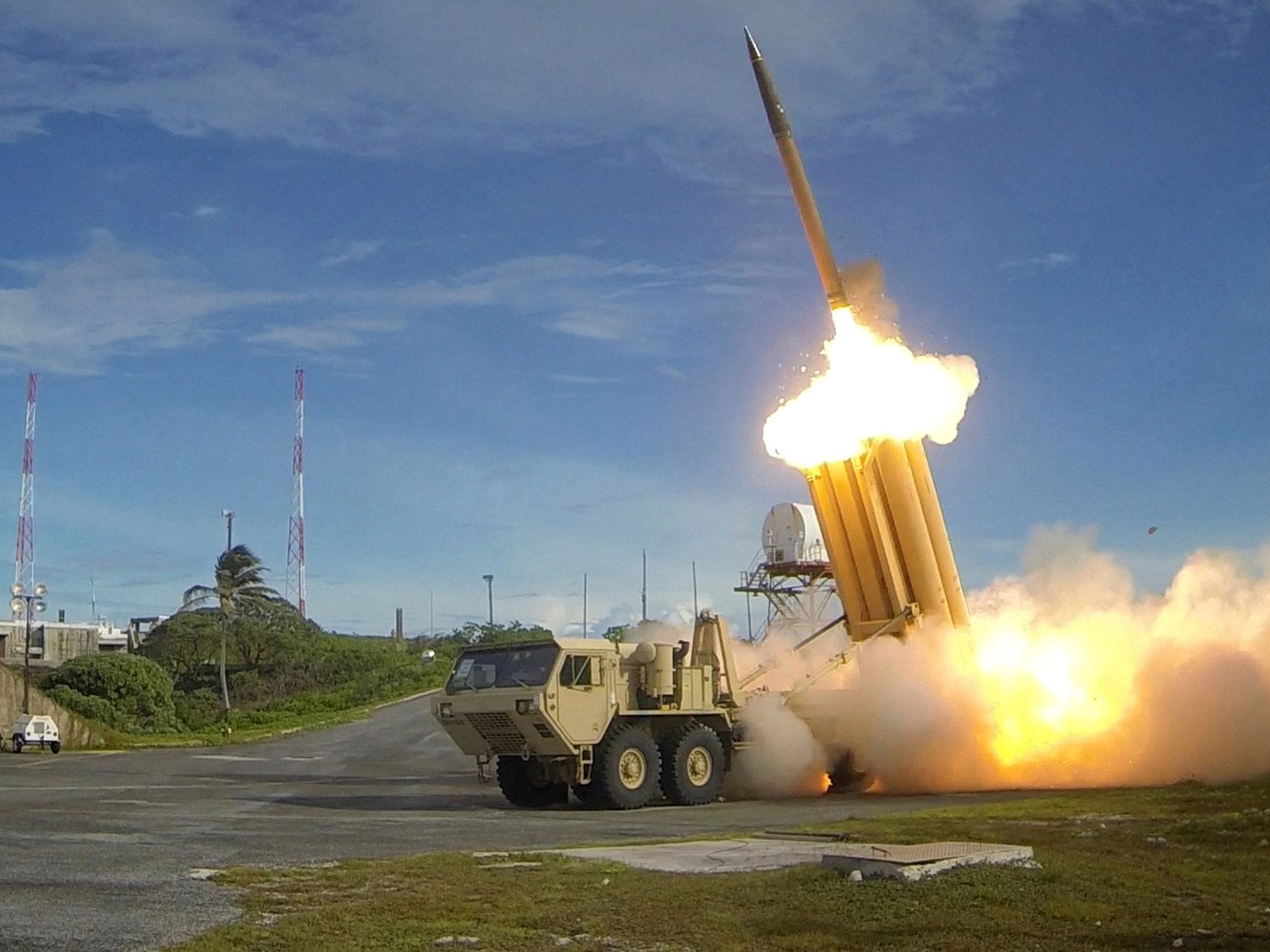
The shortfall in essential munitions, including missile interceptors, poses a challenge for the US military's response in hostile situations, according to the CBO. The United States has employed Patriot and Thaad interceptors to safeguard its troops and allies from Iranian missiles and drones in the Middle East. However, a Pentagon inspector general's report has highlighted strategic inventory shortfalls and industrial bottlenecks that impede timely resupply.
Statistics from the Centre for Strategic and International Studies (CSIS) indicate that the number of Patriot interceptors has plummeted from 2,330 at the conflict's onset to fewer than 850 by the end of July. Similarly, Thaad stockpiles have dwindled from 452 to approximately 250 during the same period.
The diminished stockpiles may compel the United States and its coalition partners to adopt riskier interception strategies, as per CSIS. The US Army has requested an unprecedented $12.2 billion in its fiscal year 2027 budget request to procure Patriot PAC-3 MSE missiles, more than nine times the $1.3 billion allocated for the previous fiscal year.
This request would fund 2,798 missiles, up from 233 in 2026. Moreover, the request encompasses $11.4 billion for Thaad interceptors, a significant increase from the $1.5 billion requested in 2026, allowing for the procurement of 857 interceptors. These budget allocations are crucial for bolstering the US military's capabilities and addressing the pressing need for replenishment of its missile inventory.
Written by urgent.news from The National Business's reporting — not their text. Machine-written — may contain errors; check the original before relying on it.
This story
This is one outlet's version. Read the fullest account.
- Why the US needs to rebuild its missile interceptor arsenal thenationalnews.com