Which two tech IPOs warned investors they might "never achieve profitability," but became wildly successful?
They warned investors they might fail – then crushed the market. Read Entire Article
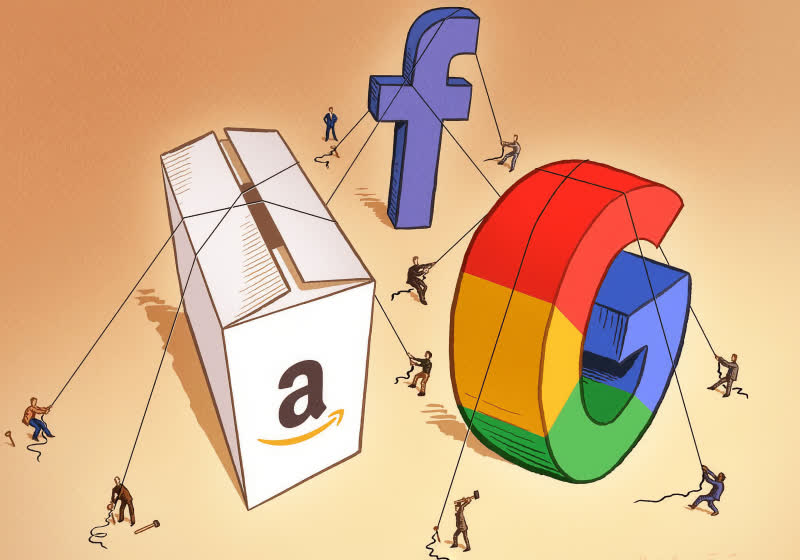
Amazon, the tech giant renowned for its diverse business empire, made a surprising admission when it went public in 1997. In its IPO prospectus, the online bookstore openly forewarned investors that it expected to incur losses for the foreseeable future and perhaps never achieve profitability. Despite the candid disclosure, the IPO proceeded with an initial price of $18 per share, raising approximately $54 million and valuing Amazon at around $438 million.
Today, Amazon's market capitalization exceeds $1 trillion, solidifying its status as one of the world's most valuable corporations. The company's journey from a single online bookstore to a global force includes ventures in cloud computing (AWS), smart devices, grocery deliveries, and even Hollywood productions.
Uber, the ride-hailing behemoth, also made headlines with its IPO warning. Prior to its 2019 public offering, Uber disclosed in its prospectus that it had experienced significant losses in the past and cautioned that it may never attain profitability. The company's valuation was set at over $82 billion, reflecting investor confidence in its ambitious expansion plans.
Uber's global presence and innovative transportation solutions fueled investor enthusiasm, even as the company acknowledged the challenges posed by regulatory hurdles and intense competition.
Snap Inc., the social media platform known for Snapchat, also joined the ranks of tech companies warning investors about potential profitability challenges. In 2017, Snap made a bold move by explicitly stating in its IPO filing that it may never achieve or maintain profitability. Despite this cautious language, Snap managed to secure a valuation of around $24 billion during its public debut. The company's unique approach to social media and its ability to attract young users contributed to its successful IPO.
Lyft, the ride-sharing competitor to Uber, similarly cautioned investors about its financial situation prior to its 2019 IPO. In its prospectus, Lyft acknowledged that it had incurred net losses in each year since its inception and expressed uncertainty about achieving or maintaining profitability. Despite these warnings, Lyft's IPO attracted significant investor interest, valuing the company at approximately $13 billion.
The company's rapid growth in the ride-sharing market and its expansion into other services, such as food delivery, contributed to its success.
Spotify, the music streaming giant, adopted a different approach in its 2018 direct listing IPO. Instead of explicitly stating it may never achieve profitability, Spotify emphasized that profitability was uncertain due to high royalty costs and intense competition. This cautious tone, while different from the more explicit warnings of Amazon, Uber, Snap, and Lyft, still highlighted the challenges faced by the company in a highly competitive industry.
Spotify's IPO valuation reached around $8.5 billion, reflecting investor confidence in the company's potential to thrive in the ever-evolving music streaming landscape.
Written by urgent.news from TechSpot's reporting — not their text. Machine-written — may contain errors; check the original before relying on it.