What happens if you never buy a house? What renters are gaining — and giving up
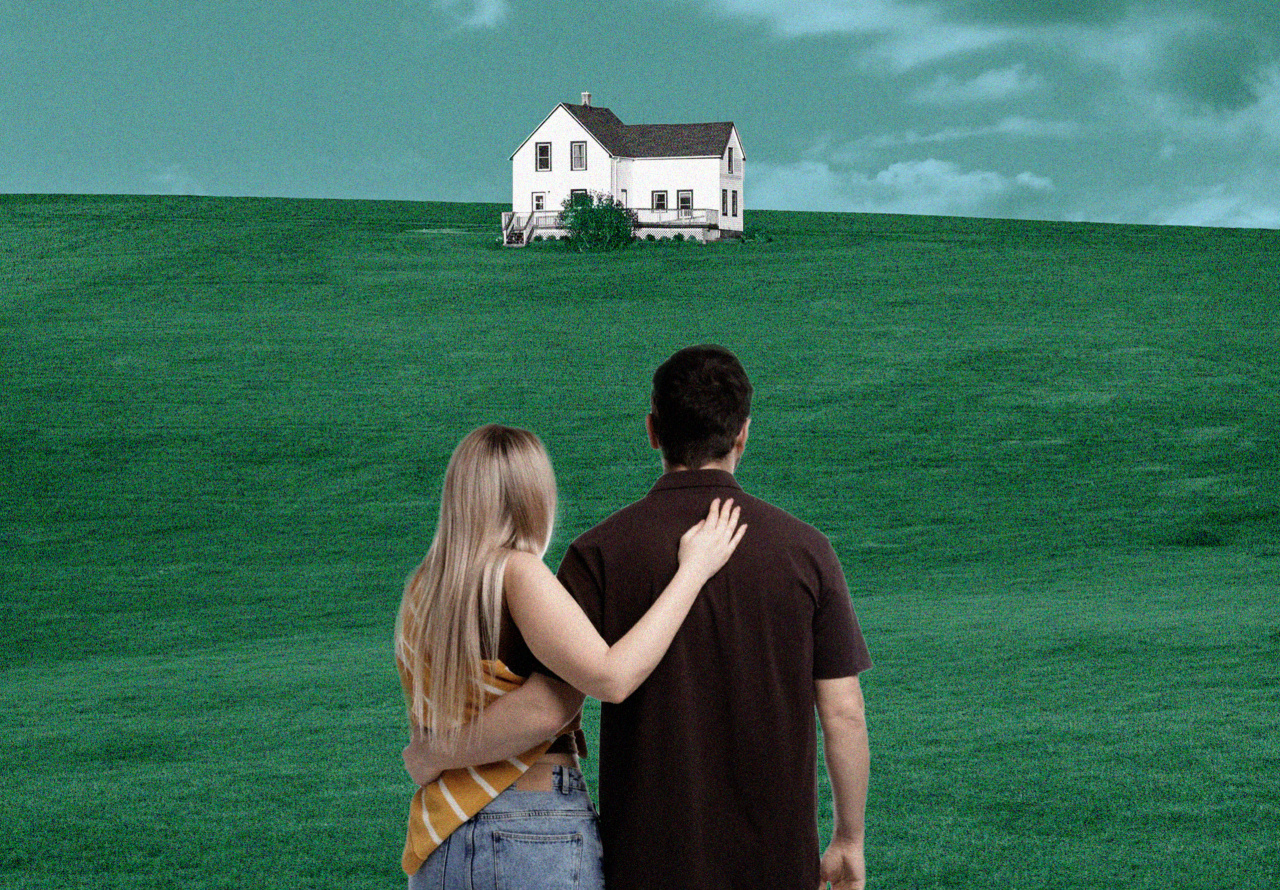
The high cost of buying a home means that many 20- and 30-somethings are re-evaluating traditional personal-finance advice that assumed homeownership to build wealth.
Tanisha Saunders, 36, who graduated college eight years ago, no longer sees homeownership as part of her American dream. The soaring costs of homes in Los Angeles, coupled with her history of housing insecurity, make the idea of purchasing a house seem risky. Saunders is currently living in a two-bedroom apartment, paid for by her employer, which has helped her avoid the stress of high rents, but she still feels the pressure of rising costs for necessities like groceries and gas.
The median U.S. home price now stands at five times the median income, a ratio far greater than the historical norm of 3 to 1. The share of 30-somethings who own homes has dropped more than 5 percentage points over the past 20 years. Experts attribute this shift to the housing crash, tightened credit standards, and the impact of the 2007-09 recession.
Moreover, the pandemic caused home prices to skyrocket, and interest rates have risen, making it even more difficult for younger buyers to qualify for mortgages. The combination of high home prices and elevated interest rates has left many young adults, like Naomi Mortensen, questioning the viability of homeownership. Mortensen, 30, and her partner are locked out of the traditional wealth-building tool of homeownership due to high rent, student loans, and the need to save for emergencies.
While homeownership has historically been a primary method for middle-income Americans to build wealth, the current financial climate makes it an uncertain and risky investment for many.
Written by urgent.news from Yahoo Finance's reporting — not their text. Machine-written — may contain errors; check the original before relying on it.
This story
This is one outlet's version. Read the fullest account.