US Fed chair Kevin Warsh explains why the Federal Reserve raised interest rates
The Federal Reserve increased interest rates by 0.25 percent. This action was driven by a strengthening US economy and rising inflation. Domestic spending remains resilient and job gains are keeping pace. Inflation has stubbornly stayed above the Federal Reserve's target for years. The central bank's focus remains on achieving price stability.
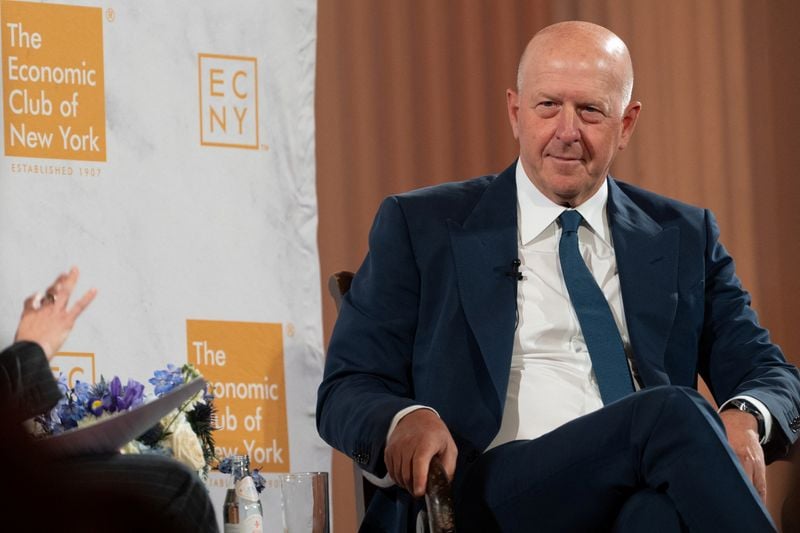
Federal Reserve Chair Kevin Warsh explained on Wednesday that the U.S. economy's strong growth and global geopolitical factors led to the central bank's decision to raise interest rates. He emphasized his commitment to not providing forward guidance on the rate path and highlighted the economic data to support the Fed's goal of price stability.
Warsh pointed out that the American economy appears to be strengthening, with improvements in hiring, earnings, business investment, and credit flows. He stated that the Fed removed the dose of accommodation, aiming to bring financial and credit conditions more in line with their ultimate objectives.
The Federal Reserve increased the interest rate range by 0.25% to 3.75%-4%. Despite geopolitical uncertainties, domestic spending has been resilient, productivity growth is strong, and capital investment is robust. Job gains have kept pace with the growing workforce, and the unemployment rate has remained relatively stable. The Fed's statement acknowledged the resilience of the U.S. economy while acknowledging that inflation has remained above the Fed's 2% target for years.
Warsh emphasized that the persistent high inflation is the primary focus of the Fed's mandate, as it has been too high and prolonged. He clarified that the recent rise in bond yields is not due to a loss of confidence in the central bank but rather is a result of economic strength, increased capital expenditures, and geopolitical factors. Warsh explained that the rise in real-world borrowing costs is due to the strength of the economy, surging capital expenditures, and geopolitical factors.
Written by urgent.news from The Economic Times - Top News's reporting — not their text. Machine-written — may contain errors; check the original before relying on it.
This story
This is one outlet's version. Read the fullest account.