US energy secretary: We escort refined product shipments through Strait of Hormuz
US Energy Secretary Chris Wright says the US is helping escort refined product shipments, not just crude oil, through the Strait of Hormuz.
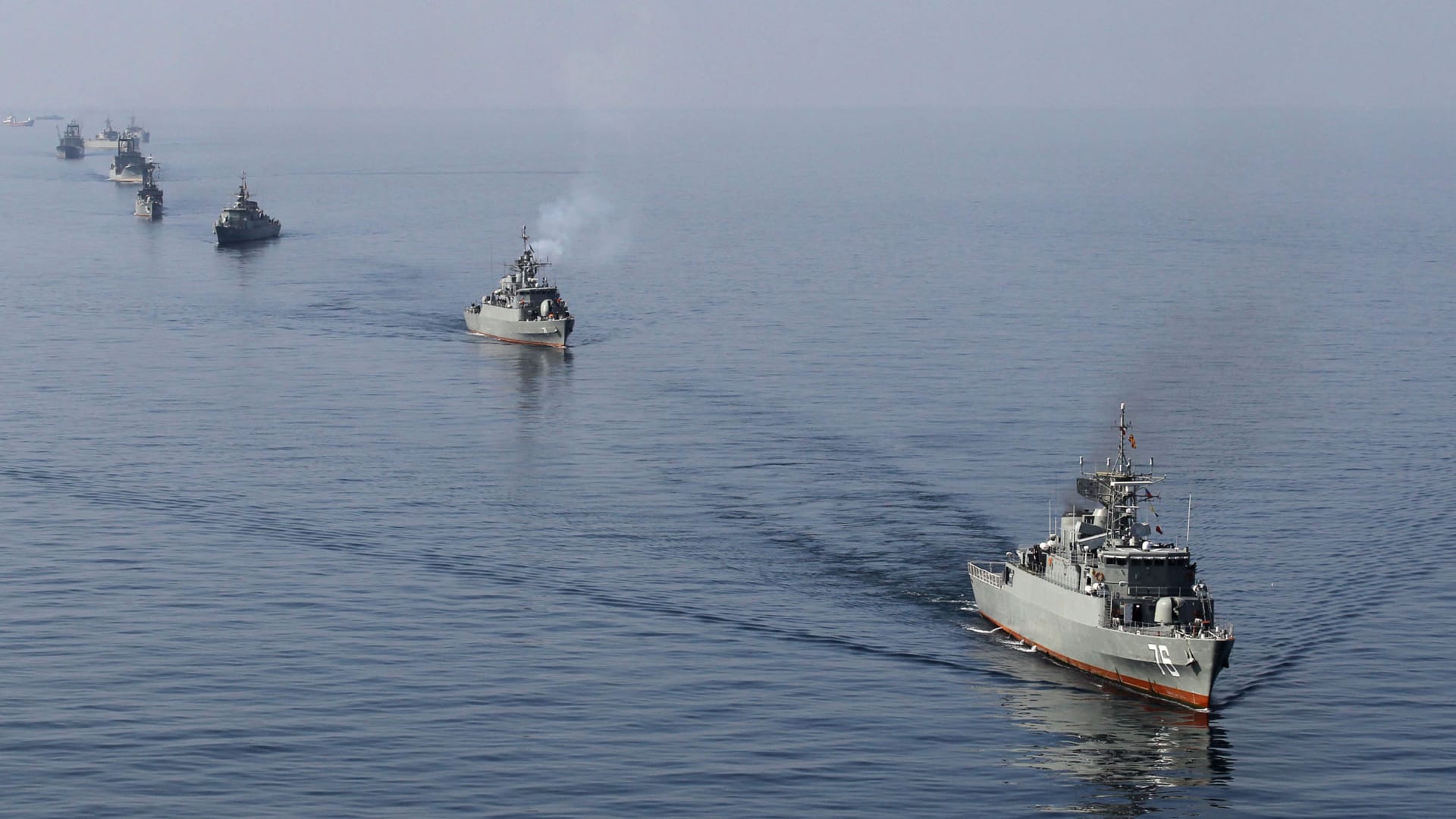
The ongoing tensions between Washington and Tehran are increasingly being fought through the energy market, as disruptions to Gulf oil exports are pushing prices higher and testing regional economies. This pressure escalated on Tuesday, following Saudi Arabia's suspension of oil loadings at the Red Sea port of Yanbu and the East-West Pipeline's remaining offline due to attacks on the kingdom's energy infrastructure.
Libya also halted operations at three oil fields after protests led to a crude pipeline closure. Brent crude futures surged by $3.49, or 3.3%, to $109.20 per barrel, while US West Texas Intermediate crude rose by $5.08, or 5%, to $106.46 per barrel. The price increase is driven by more than fears of a potential Strait of Hormuz closure, as traffic through the waterway has dropped significantly.
Currently, only four commodity vessels transited Hormuz on Monday, down from 10 on Sunday, with pre-war averages around 125 vessels daily.
The rising oil prices reflect both confirmed supply losses and uncertainty premiums linked to the conflict's duration and potential expansion into the Red Sea. Oil markets no longer merely price in the possibility of Iran interrupting exports through Hormuz; production, shipping, insurance, and alternative export routes have all been affected.
The Strait of Hormuz, historically carrying one-fifth to one-quarter of global oil shipments, has become a central focus of the crisis, with Saudi Arabia and the UAE being the only countries with operational pipelines that bypass the strait. The 1,200-kilometer East-West Pipeline, also known as Petroline, has become increasingly important during the war, moving 4-5 million barrels per day through the western route at times.
However, a recent drone attack forced the pipeline offline, and Yanbu's oil loadings were suspended, threatening a route that handles roughly 4% of global oil supply. Saudi Arabia's oil output has already fallen sharply before the latest attack, with the International Energy Agency (IEA) reporting August production at about 6 million barrels per day, its lowest level in over three decades.
While higher prices benefit economies like Saudi Arabia and the UAE that have pipelines bypassing Hormuz, the costs of disruption, including $58 billion in energy infrastructure damage and rising war-risk insurance premiums, now outweigh potential gains for countries like Qatar, Kuwait, Iraq, and Bahrain.
Written by urgent.news from Jerusalem Post's reporting — not their text. Machine-written — may contain errors; check the original before relying on it.
This story
This is one outlet's version. Read the fullest account.