UK funds flying broadband stations with power beamed from below
£70M ARIA program backs 18 projects aiming to keep connectivity aloft for a week
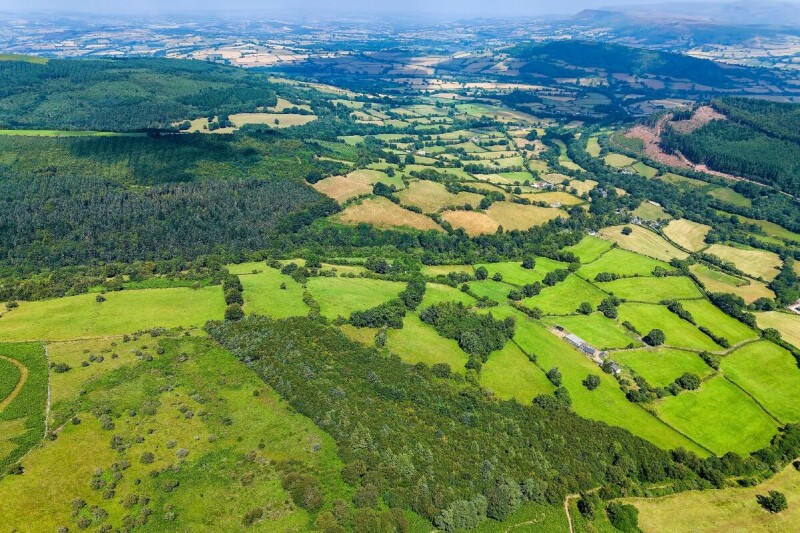
The UK's Advanced Research and Invention Agency (ARIA) is investing £70 million ($94 million) over three and a half years to develop aircraft capable of providing connectivity using high-flying platforms. Known as Enduring Atmospheric Platforms, the program aims to create alternative solutions to orbital satellites for delivering connectivity to underserved areas of the UK and other parts of the world.
ARIA is funding 18 projects, each focusing on three technical areas: enabling technologies, system integration and testing, and deployment and communications. One project, Carousel by Menapia, involves producing a constellation of multi-rotor high-altitude aircraft that can operate at altitudes up to 20 km (12 miles) to create a persistent "canopy" over the UK.
Another initiative, Enduring Drone Networks by VFP Aerospace, aims for persistent presence via a relay team of drones that will cycle between their service altitude and ground stations for recharging. This project targets a production cost of £50,000 ($67,000) per drone. In the enabling technologies category, Hypanode Ltd is developing a fuel cell power system, Scalable Laser Ltd is working on laser-based power beaming technology, and Space Solar Engineering Ltd is exploring radio frequency power beaming.
ARIA's program director for Enduring Atmospheric Platforms, Rico Chandra, emphasizes that the agency is backing bold ideas, including fixed-wing solar aircraft and unconventional designs like aircraft with spinning wings instead of propellers. The agency aims to establish the UK as a leader in high-altitude platform industry design, building, and scaling.
Written by urgent.news from The Register's reporting — not their text. Machine-written — may contain errors; check the original before relying on it.
Also reported by 1 other outlet
- UK funds flying broadband stations with power beamed from below theregister.com