This iOS 27 bug temporarily freezes your iPhone … and it’s going viral on social media
Just a matter of days after iOS 27 has been released to the public, people have already discovered a way to temporarily brick your phone with a quick series of swipes on the home screen. And it’s starting to going viral on social media as some kind of iPhone prank to do on your friends. Luckily, it is only a software soft-lock and you can easily get out of this temporarily bricked state by force…
Just days after iOS 27's public release, users have discovered a method to temporarily brick their phones through a series of home screen swipes. This prank-like bug quickly went viral on social media. It's a software-induced soft-lock that can be resolved through a force reboot. Past iOS versions have seen similar issues, but this one is notably easy to trigger.
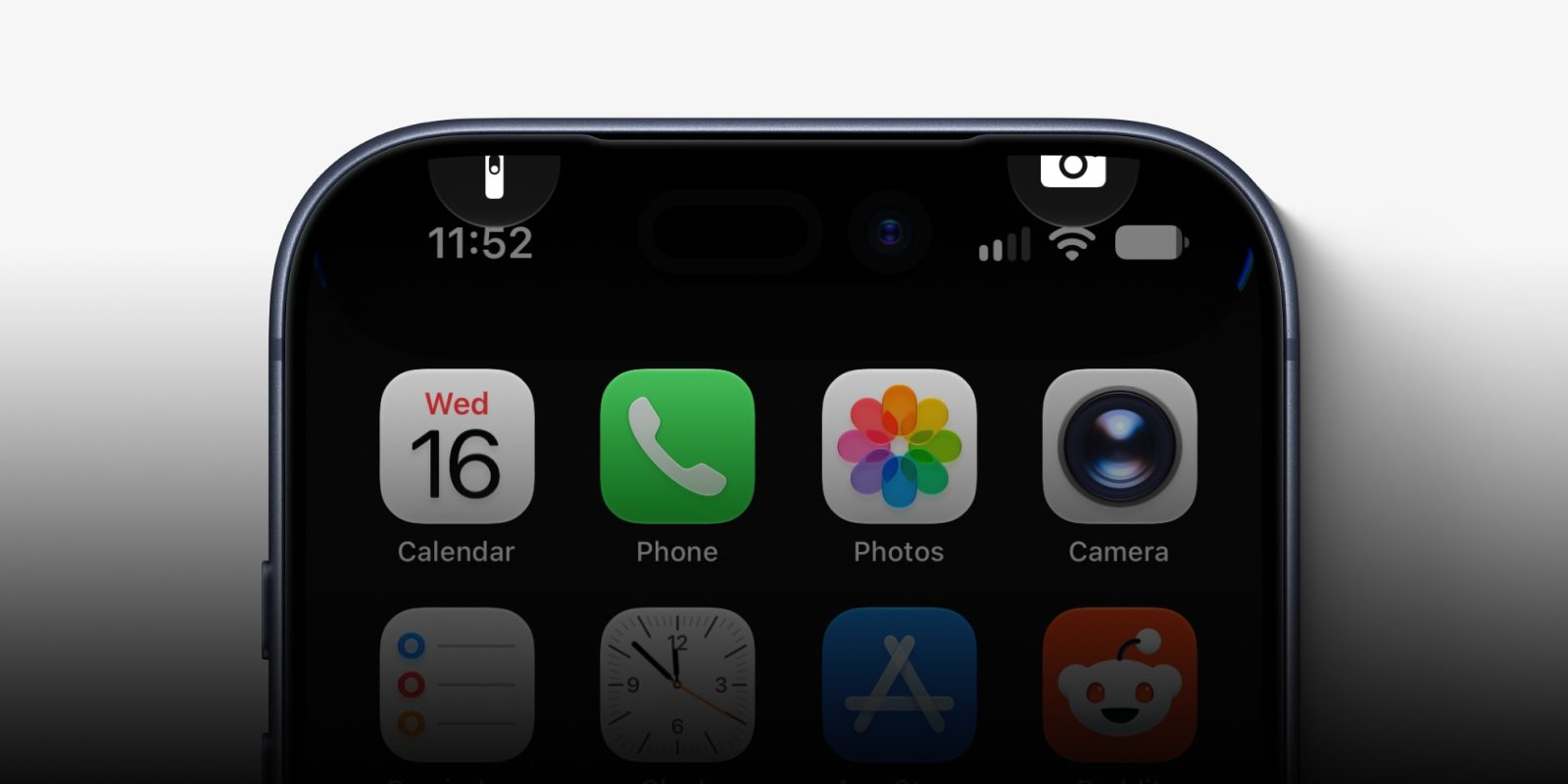
To reproduce, open the Home Screen, pull down from the top-left corner to access Notification Center, then pull down from the top-right corner to open Control Center. Quickly dismiss Control Center, and if the phone enters the bricked state, the lock screen buttons for Camera and Torch will be stuck, and swiping between home screens or tapping on apps will not work.
Force-rebooting the phone will resolve the issue, requiring a side button press until the Apple logo appears. It may require a few attempts to consistently reproduce the glitch, but it's achievable on most iPhones running iOS 27.0 or the recent iOS 27.2 beta. A video demonstrating the bug has been shared on 9to5Mac's YouTube channel.
Written by urgent.news from 9to5Mac's reporting — not their text. Machine-written — may contain errors; check the original before relying on it.