There’s a dark side to documentary photography – these images have the power to seriously spook you
Dark Tales at the Martin Parr Foundation explores the uneasy territory where British documentary photography meets the Gothic, revealing a world of strange encounters, unsettling places and stories hiding in plain sight. The post There’s a dark side to documentary photography – these images have the power to seriously spook you appeared first on Amateur Photographer .
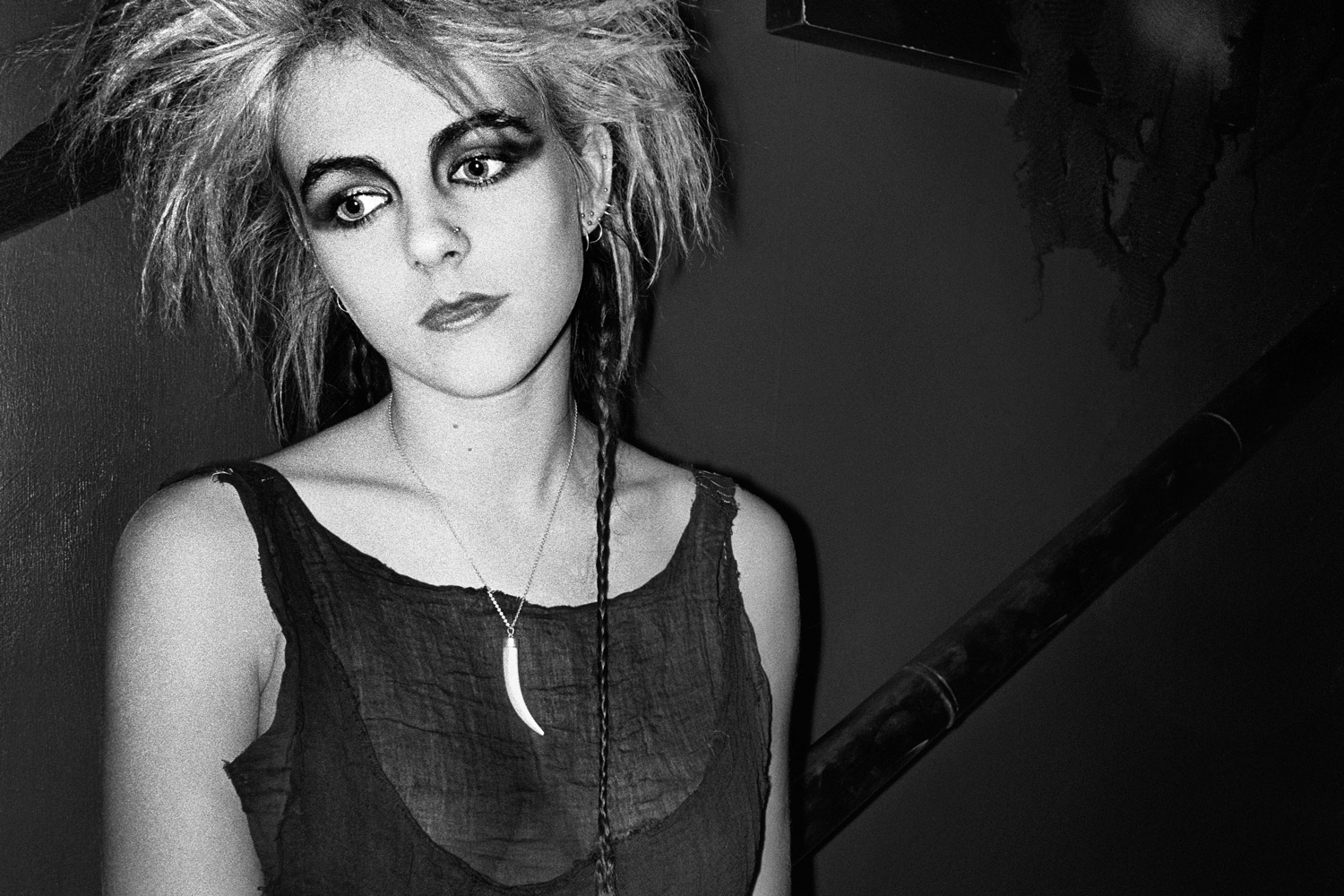
Dark Tales delves into the convergence of British documentary photography and Gothic aesthetics, unearthing a realm of eerie encounters, disquieting locales, and concealed narratives. Britain boasts a rich historical connection to the Gothic, influencing its architectural marvels, literary works, and even the Goth subculture. Documentarians have often delved into these themes – decaying stores, mundane interiors, grim cells, or raucous nightclubs, all of which contribute to a visual archive of Gothic imaginings.
Spencer Place in Leeds, captured by Peter Mitchell in 1979, serves as a testament to this juxtaposition. Dark Tales: British Documentary Photography and the Gothic, an upcoming exhibition at Martin Parr Foundation in Bristol, curates over 80 years of photography showcasing Britain from the post-war era to the present. Curator Isaac Blease has curated an unsettling and occasionally whimsical portrayal of a resilient yet haunted nation.
The collection spans more than 80 years and includes the works of renowned photographers such as Bill Brandt, Lee Miller, Don McCullin, Martin Parr, Jo Spence, Anna Fox, John Myers, Donovan Wylie, Sarah Pickering, and Derek Ridgers. The exhibition is divided into four segments: The Castle, Domestic Bliss, Double Take, and Night Creatures.
Collectively, it resembles a Horace Walpole novel more than a typical documentary photography showcase. Woman with pram in Consett, 1974, by Don McCullin, courtesy of the artist and Hauser & Wirth, conveys the unsettling nature of the exhibition. The term "Gothic" often conjures images of ghosts, monsters, grand castles, and the macabre.
Blease, however, is more intrigued by how documentary photography renders the familiar strange. Historically, Gothic fiction has mirrored the anxieties of its time. The exhibition contends that photography similarly documents the troubled political, moral, and social realities of the contemporary world. In an era where the notion of photographic truth is increasingly contested, this proposition is particularly engrossing.
Sarah Pickering, one of the contributors, aligns her photography seamlessly with this theme. Her Incident series, showcased in the exhibition through Lift and Boots, was created in simulated environments used for emergency services training. At first glance, these photographs appear to document disasters. However, the spaces have been meticulously engineered to train police, firefighters, and military personnel for potential worst-case scenarios.
Boots, from the series Incident, depicts the Boots the chemist sign engulfed in smoke, evoking the perception of a harrowing event. Pickering, aware of the deceptive nature of her imagery, reflects on how ordinary settings can harbor extraordinary occurrences.
Written by urgent.news from Amateur Photographer's reporting — not their text. Machine-written — may contain errors; check the original before relying on it.