The Real Obstacle to Venezuela’s Recovery
A state that spent decades alienating its professional class has lost the capacity to govern.
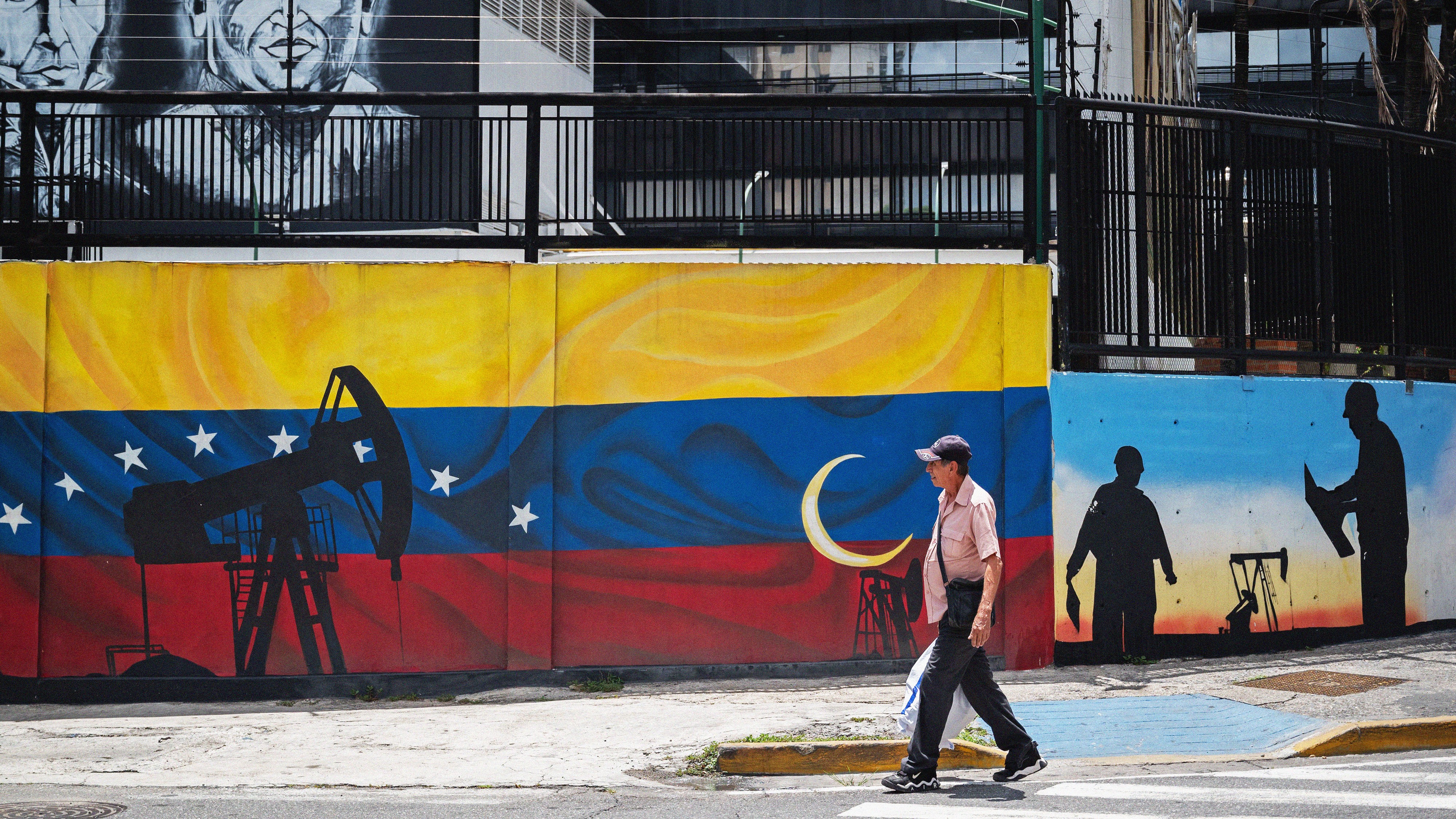
Days after a pair of deadly earthquakes struck northern Venezuela on June 24, claiming at least 6,000 lives and wounding tens of thousands more, the Venezuelan Seismological Research Foundation (Funvisis) urgently requested the return of one of its GPS sensors. Installed 13 years prior on a rocky outcrop in western Venezuela, the high-precision instrument had been quietly monitoring the millimeter-scale movements of the Boconó fault, which is believed to have triggered the quakes.
When Funvisis technicians returned to retrieve the sensor's stored data, they discovered the machine had vanished. More than two months after the earthquakes, Funvisis remains unaware of who took the device. The sensor's disappearance is a symptom of a government that has lost the capacity to govern effectively. Once operating between 250 and 300 seismic-monitoring stations, Venezuela now has fewer than five functional stations.
Many of the skilled professionals—engineers, physicians, nurses, firefighters, and rescue workers—essential during disasters have left Venezuela in a long-term exodus of talent from state institutions. President Trump has promised that the oil-rich nation will be managed "properly" and "professionally," but the earthquakes have laid bare Venezuela's deficiencies.
The country's situation has deteriorated rapidly over 20 years, transforming it from Latin America's wealthiest nation to one of its poorest. This transformation is attributed to mismanagement, corruption, and poor governance that began under populist president Hugo Chávez (1999–2013) and continued under his successor, Nicolás Maduro.
Interim President Delcy Rodríguez, who assumed power following the U.S. capture of Maduro in January, is inheriting a government incapable of mobilizing the technical expertise required to rebuild what the quakes destroyed or to revive an economy that collapsed long before the ground did. Rebuilding is not just about money and political will; it demands human capital.
Bureaucrats, planners, regulators, and inspectors are necessary to transform plans into functioning infrastructure. Their absence may be the most significant obstacle facing American policymakers overseeing Venezuela's reconstruction.
Written by urgent.news from The Atlantic's reporting — not their text. Machine-written — may contain errors; check the original before relying on it.