The humble tree hole turn out to be a remarkable climate refuge
A new analysis shows that cavities inside trees can run several degrees cooler than the surrounding air during heatwaves—a finding that reframes the role of forests in a warming world.
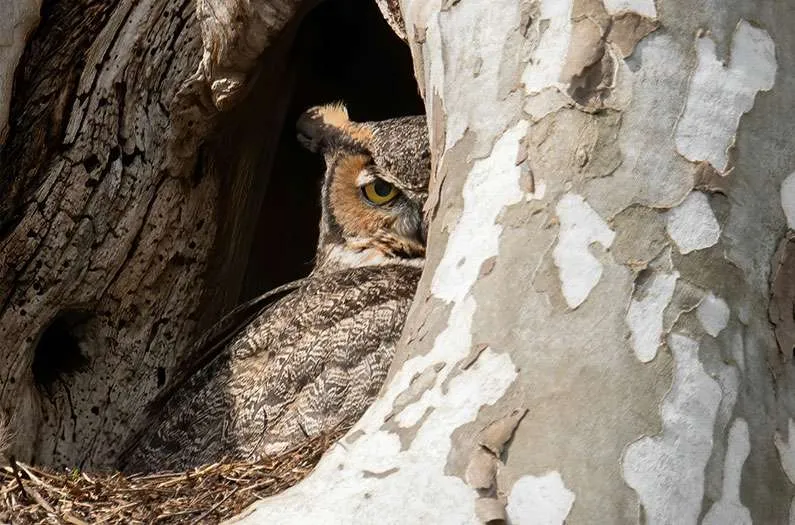
When climate change fuels extreme heatwaves, tree-dwelling animals turn to the natural tree holes and crevices as vital refuges from the sweltering temperatures. A recent review of numerous studies published in Forest Ecology and Management highlights the remarkable ability of these tree holes to provide cooler environments for various species, including bats, birds, and other mammals.
According to Joy O'Keefe, the senior author of the paper and a professor at the University of Illinois Urbana-Champaign, tree holes reduce peak temperatures by more than 4°C compared to the outside air. This cooling effect is even more pronounced during heatwaves, with temperatures inside the tree holes being up to 4.1°C cooler than the outside.
The findings underscore the importance of preserving ancient trees with ample natural hollows and cracks, as they offer valuable temperature buffers for countless animal species. In light of the documented mass die-offs during heatwaves, such as the 46,000 flying foxes killed in eastern Australia in 2014 and the 23,000 gray-headed flying foxes in Cairns four years later, the research emphasizes the urgent need for better conservation efforts.
Moreover, the study points out that artificial roosts like bat boxes are less effective at reducing temperature extremes and may even exacerbate the issue by retaining heat overnight. To ensure the well-being of these animals, the authors recommend improving the design of artificial roosts to better mimic the natural cooling benefits provided by tree holes.
Written by urgent.news from Anthropocene Magazine's reporting — not their text. Machine-written — may contain errors; check the original before relying on it.