The End of the American Age
The Iran war marks the conclusion of eight decades of global dominance.
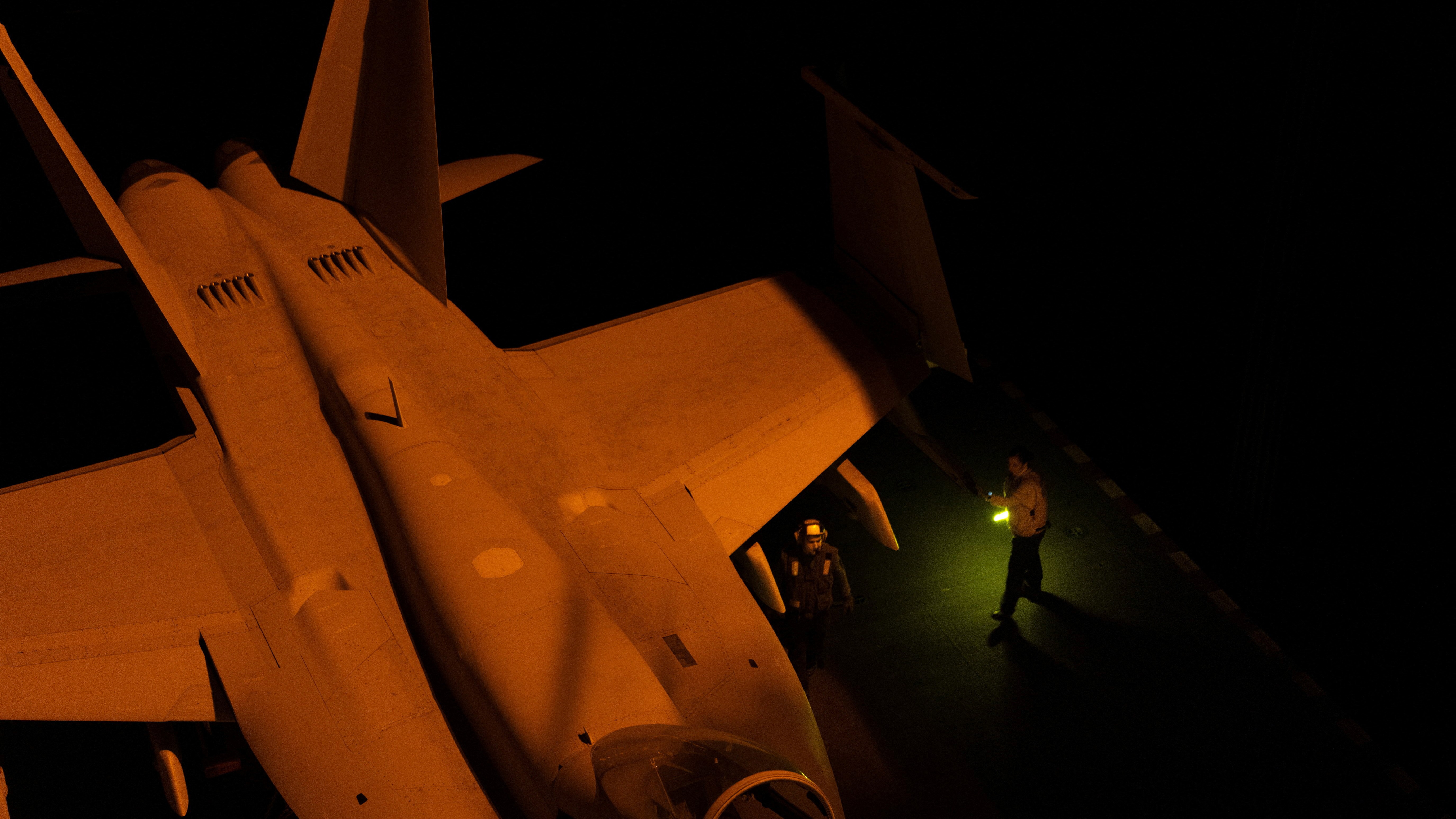
The American age that followed World War II was destined to end, yet the suddenness of its demise is shocking. In the past six months, America's power—characterized by its advanced war technology and well-trained military, extensive global bases and logistics, and alliances with various nations—has proven inadequate to defeat Iran, a repressive and economically stagnant regime equipped with inexpensive missiles and drones.
For years, the assumption that the United States possessed limitless resources to overcome crises, such as the ones in Vietnam, Iraq, and Afghanistan, reassured allies and deterred adversaries. However, this complacency has left the U.S. military exposed to the threat posed by Iran's low-cost, high-impact weaponry. President Trump's war with Iran has exposed the shifting dynamics of global power and the decayed state of American might.
The United States, once the most significant military force in the volatile Middle East, has seen its influence wane due to the loss of key bases surrounding Iran. Even after the successful attacks by the United States and Israel that resulted in the deaths of top Iranian leaders, Iran's long-range missiles and drones successfully evaded American air defenses and targeted numerous U.S. facilities.
The losses of American bases, air-defense installations, and diplomatic facilities in March have had an immediate impact on U.S. operations. The base in Bahrain, a vital resupply point for the Navy, was hit, forcing the logistical tail to extend to Diego Garcia, a British-controlled island in the Indian Ocean over 2,000 miles away.
This disruption has raised costs, reduced operational efficiency, and strained military personnel. The vulnerable state of U.S. facilities near Iran has led to their abandonment as operational facilities, exposing the limitations of the U.S. military's ability to defend against less technologically advanced foes. The war with Iran has depleted crucial supplies of advanced weaponry, such as THAAD munitions, Patriot interceptors, and Tomahawk cruise missiles.
The Pentagon has had to reallocate resources, with the USS Abraham Lincoln being transferred from the western Pacific to the Arabian Sea, leaving the western Pacific with weakened deterrence capabilities against China. The dwindling resources and the high costs of repair make it questionable whether the U.S. military will rebuild key facilities near Iran.
The situation prompts a reevaluation of the Pentagon's presence in the Persian Gulf region, as the diminished military strength poses a significant challenge to maintaining stability in the volatile region.
Written by urgent.news from The Atlantic's reporting — not their text. Machine-written — may contain errors; check the original before relying on it.