The Armored Sarcophagus Saving Ukrainian Soldiers
Unmanned ground vehicles are conducting once-impossible medical evacuations along Ukraine’s front lines.
The armored sarcophagus, nicknamed MAUL, is transforming casualty evacuations on Ukraine's front lines. Remotely operated unmanned ground vehicles bristle with drone-jamming antennae and carry bulletproof pods for wounded soldiers. After each rescue, the MAUL is meticulously cleaned and disinfected. Vitaly, a medical-evacuation coordinator nicknamed "Ash," explains that the smell of gunpowder, gasoline, and gangrene never fully disappears.
The MAUL's name, a nod to the Star Wars character Darth Maul, was chosen by a few tech-savvy individuals within the battalion.
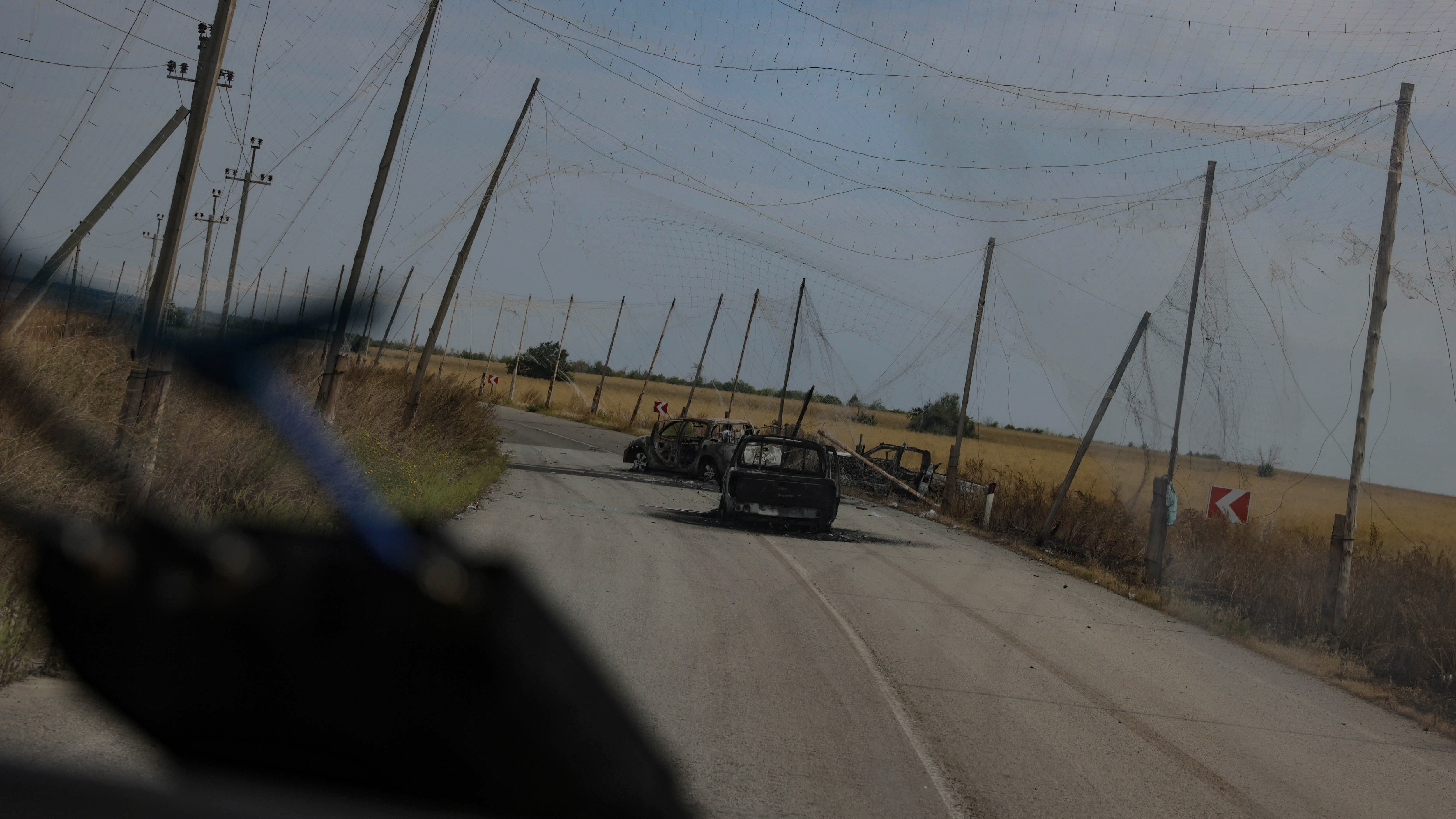
These MAULs have become prime targets for Russian drone operators, who know that losing a comrade can devastate the Ukrainian crews monitoring missions. The drones create a death zone up to 20 miles wide, making it extremely dangerous for anything caught in the open. Initially, MAULs were deployed for resupply routes, but a mission in early 2025 proved their potential to reach deep into a death zone to recover personnel.
In February 2025, near Kupiansk, three Ukrainian soldiers from the 154th Mechanized Brigade were trapped behind enemy lines after a Russian advance. All were wounded, with two in severe condition, and attempts to rescue them by various means failed. With their wounds turning gangrenous and survival chances near zero, the soldiers' brigade leader turned to Facebook for help.
Viktor Dolhopyatov, a Ukrainian defense-tech entrepreneur, read the post and immediately offered assistance from his facility, Burevii, which had been developing a ground drone for deep into the death zone.
The modified drone, named Ardal, was rushed to the front lines. The rescue began under the cover of dusk, with daylight providing partial camouflage. After a minefield encounter, Ardal reached the trapped soldiers, and they were successfully evacuated. The mission required the coordinated efforts of over 50 personnel, including pilots, medics, electronic warfare crews, and engineers.
This successful rescue demonstrates that modern warfare has shifted towards prioritizing the evacuation of wounded personnel, a development that could significantly improve survival rates on the battlefield.
Written by urgent.news from The Atlantic's reporting — not their text. Machine-written — may contain errors; check the original before relying on it.