Supreme Court PIL Challenges 0.4% MDR On UPI Transactions Above ₹2,000 Before October 15 Rollout
New Delhi, Sep 16: A public interest litigation (PIL) matter has been filed in the Supreme Court, challenging the Centre's decision to impose a merchant discount rate (MDR) on specified UPI person-to-merchant transactions of above Rs 2,000, saying the levy has been introduced without adequate statutory safeguards, transparency or public consultation. UPI MDR framework challenged The government…
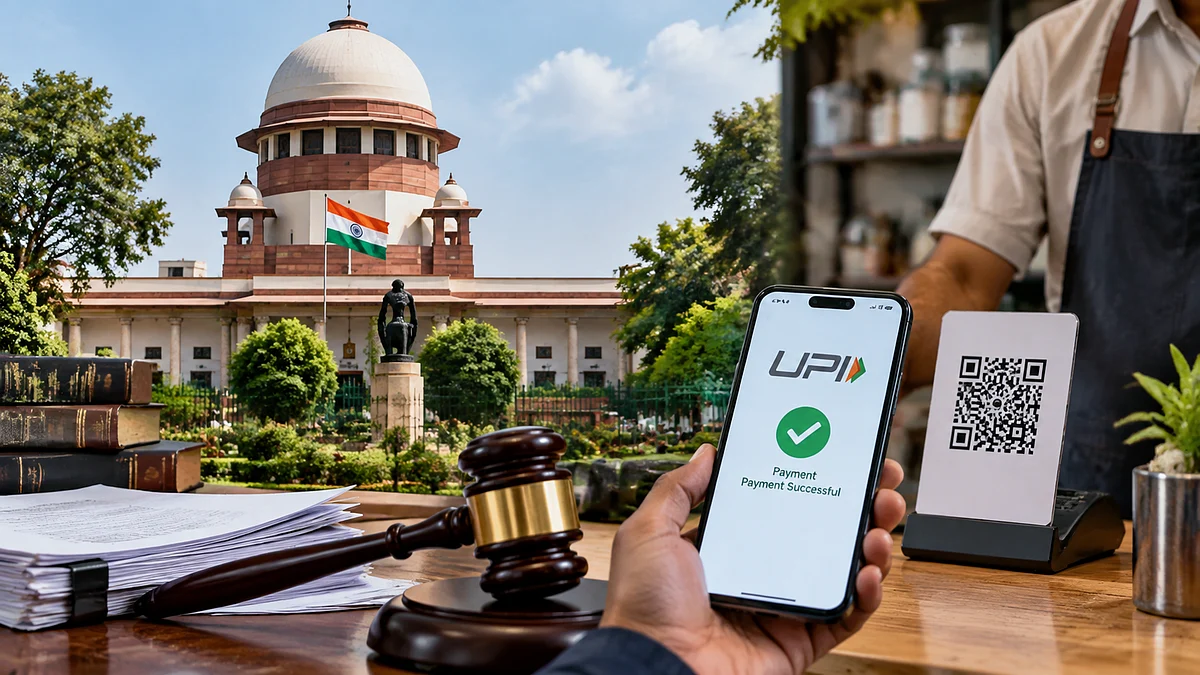
New Delhi, Sep 16: A citizen's legal challenge, or public interest litigation (PIL), has been lodged at the Supreme Court against the federal government's decision to impose a merchant discount rate (MDR) on certain UPI transactions over Rs 2,000. The center argues the MDR, set at 0.4 per cent, will come into effect on October 15.
However, the petition contends the new levy lacks adequate statutory safeguards, transparency, and public input. According to the petition, the government has announced a 0.4 per cent MDR for person-to-merchant UPI payments exceeding Rs 2,000 from October 15. This means a 0.4 per cent charge will be imposed on transactions above Rs 2,000, capped at Rs 300 for amounts over Rs 75,000.
Small merchants and transactions under Rs 2,000 will be exempt from the MDR. However, the petition challenges the constitutionality of this amendment to section 10A of the Payment and Settlement Systems Act, 2007. The challenge claims the amendment provides broad discretion to the executive in deciding which electronic payment methods are exempt from charges.
The petition also questions the specific charges and thresholds, as well as the lack of proper publication in the Official Gazette. Additionally, the petition questions the separation between UPI transactions and RuPay debit card payments, citing the continued no-charge protection for the latter without a monetary cap. The petitioner argues that the framework is both arbitrary and discriminatory, potentially harming merchants, particularly those with thin margins, and could indirectly burden consumers and exclude certain groups from digital financial services.
Written by urgent.news from Free Press Journal's reporting — not their text. Machine-written — may contain errors; check the original before relying on it.