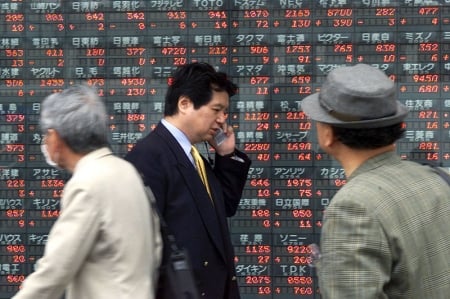
Stocks, bonds hold ground before Fed; oil slips: Markets wrap
Some relief came as Brent dropped 0.6% to about $108.10 a barrel as a rally driven by supply disruptions left gains looking overdone, and a US industry report pointed to a rise in stockpiles

Stocks and bonds maintained their stability ahead of the Federal Reserve's interest-rate decision, with markets anticipating the first hike since 2023. MSCI's Asian equities index gained 0.2 percent, ending a four-day decline, while Wall Street equity-index futures rose 0.1 percent before the Washington announcement. Investors were pricing in a more than 90 percent chance of an increase.
Treasuries stabilized, with Australian and New Zealand government bonds slightly rising. Oil's rally temporarily halted, as the global benchmark Brent fell about 0.6 percent to around $108.10 a barrel due to supply disruptions and a US industry report showing increased stockpiles. The significant rally in energy prices, which surged roughly 20 percent this month, fueled a bond selloff, pushing the 10-year Treasury yield to a peak of 5.04 percent last Tuesday, the highest in nearly two decades.
The yield subsequently dropped to 4.98 percent in Asian trading. The Federal Reserve's decision garnered attention after core inflation proved hotter than expected and concerns about government budgets intensified expectations that Chair Kevin Warsh and his colleagues would tighten monetary policy. Higher rates would exacerbate inflation, increase financing costs, and add pressure to equities.
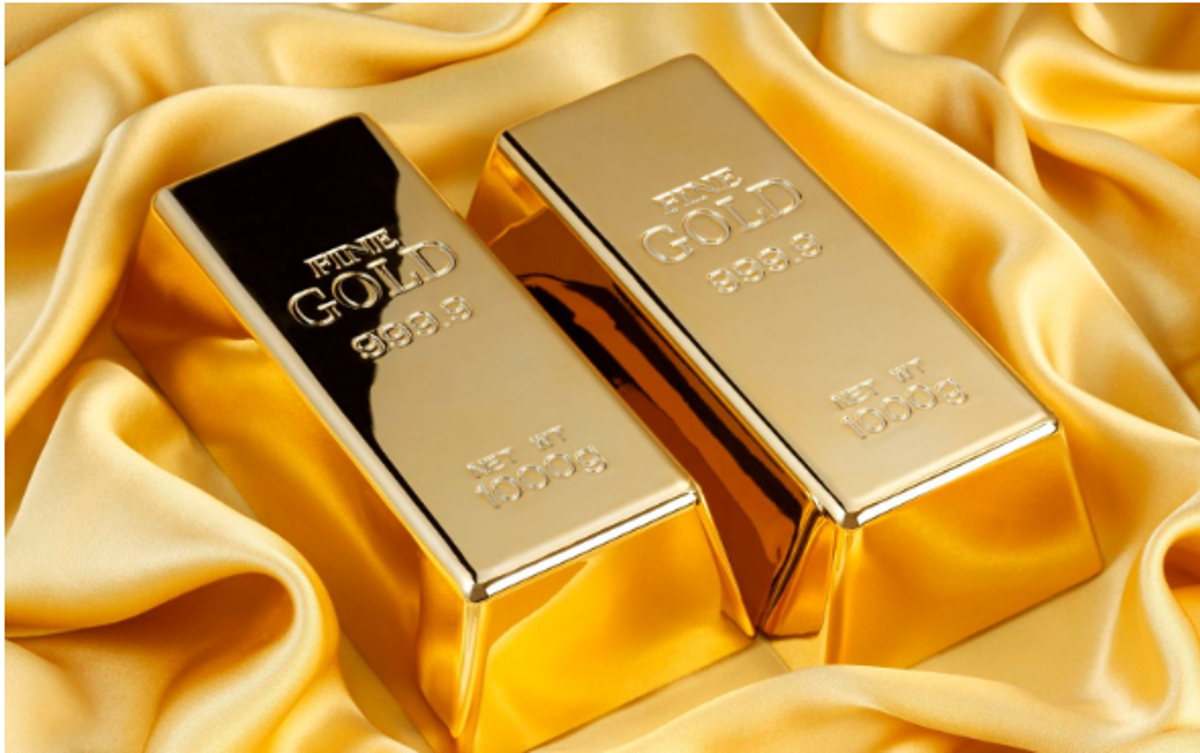
Experts believe the Fed may not be more hawkish than already anticipated, leading to potential volatility post-announcement and a possible weakening of the dollar. Gold steadied around $4,310 an ounce despite two days of losses, as higher interest rates typically reduce demand for non-yielding metals. The US Senate's rejection of a crypto market structure bill also impacted Bitcoin, which held losses around $75,900 amid an expected decision from central banks in the United States, the United Kingdom, and Japan that could reshape the monetary-policy outlook for the rest of 2026.
Written by urgent.news from Hindu BusinessLine's reporting — not their text. Machine-written — may contain errors; check the original before relying on it.