Spain sets out 2030 sustainable tourism strategy – with residents a ‘core’ focus
With 100 million international visitors expected this year, and ongoing concerns about overtourism, Spain is putting people and sustainability at the centre of its countrywide policy.
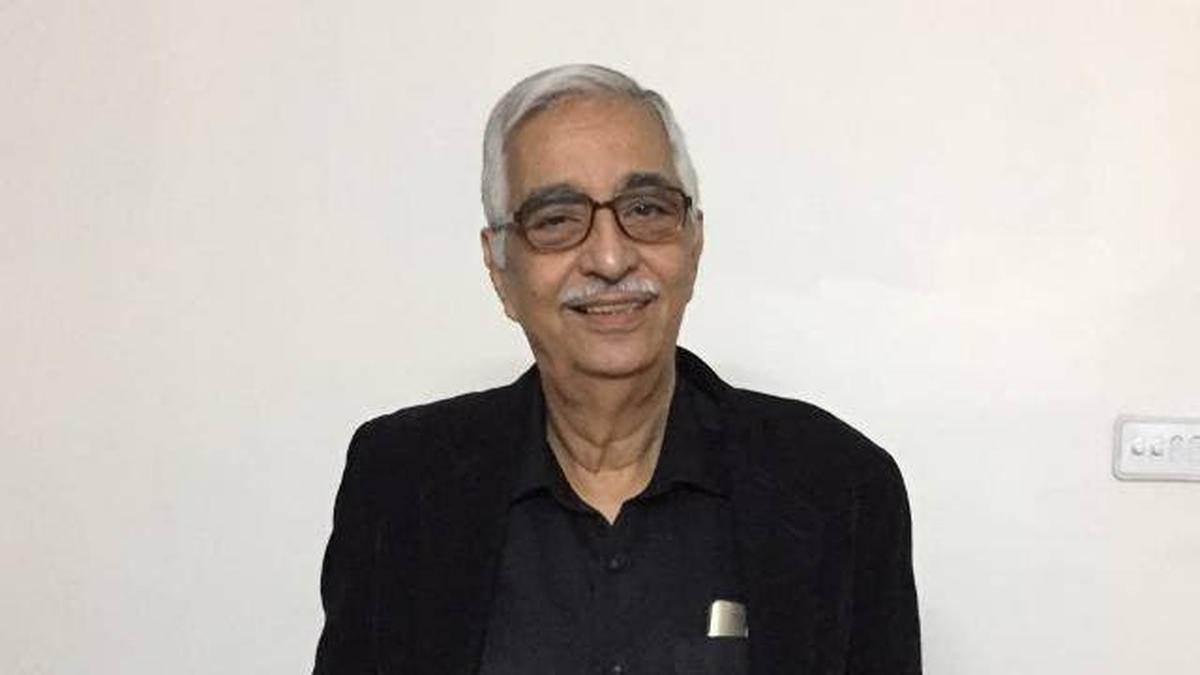
Spain aims to welcome 100 million international visitors this year, but to address concerns about mass tourism, the country is implementing a new Tourism 2030 strategy that prioritizes people and sustainability. Carlos Ruiz González, director of the Spanish Tourist Office for the Gulf region, presented the plan at Arabian Travel Market in Dubai, emphasizing that residents and lesser-visited destinations will play a central role in the next phase of growth.
Developed in consultation with over 200 experts, the strategy acknowledges that destinations in Spain face diverse challenges, ranging from heavily visited cities like Barcelona to rural areas seeking to attract more tourists.
The plan, a result of a three-phase roadmap with action plans delivered over two years, addresses economic, social, and environmental sustainability. Key challenges include climate change, employment issues, housing pressures, overcrowding, and regional depopulation. Residents are identified as a "core audience" in the strategy, alongside destinations, businesses, tourism workers, and visitors.
Ruiz González stressed the importance of integrating residents into the tourism system, ensuring they can afford housing and access without issues.
A significant aspect of the strategy is spreading visitors more evenly across Spain and encouraging slower trips with longer stays. While popular destinations will not be discouraged, there is a push to explore lesser-visited rural areas such as the Pyrenees, Picos de Europa, and the Sierra de Guadarrama mountain range. The historic cities and smaller towns of Castilla are also being promoted.
To facilitate this, Spain's extensive high-speed rail network is helping make destinations beyond the established tourist hotspots more accessible.
Written by urgent.news from Euronews's reporting — not their text. Machine-written — may contain errors; check the original before relying on it.