Solar panel costs have plummeted from $6 per watt in 2000 to just 12 cents today
At Bestway Cement's plant in Chakwal, Pakistan, solar already supplies more than a quarter of the electricity used to make cement. The company has 26MW installed and expects to add another 6.34MW by the end of the year. Read Entire Article
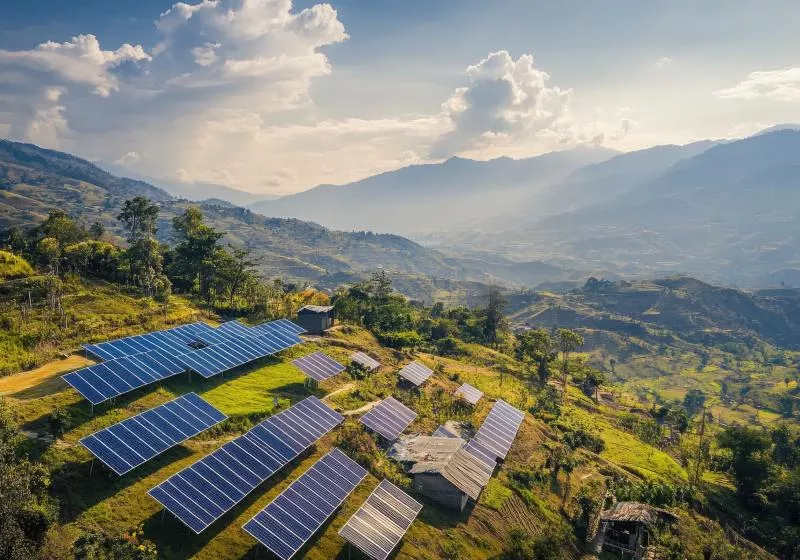
Solar panel costs have plummeted from $6 per watt in 2000 to a mere 12 cents per watt today. This sharp decline in prices is transforming electricity systems across the globe. Companies and households are increasingly generating their own power using solar panels, reducing their reliance on traditional grid electricity during sunny hours.
Businesses like Bestway Cement in Pakistan have already integrated solar energy into their operations, supplying over a quarter of the electricity needed for cement production. The company plans to expand its solar capacity by another 6.34MW by the end of the year. This shift towards solar power is driven by the declining costs of solar panels, a result of China's manufacturing expansion.
The falling prices of solar panels have made rooftop and on-site solar installations viable in regions where electricity is expensive or unreliable. Worldwide, installed small-scale solar capacity reached nearly 1.2 terawatts by the end of 2025, surpassing the total capacity of the global nuclear fleet.
Africa is expected to add 17GW of solar capacity this year, primarily through smaller systems at factories and commercial sites. In the Philippines, rooftop solar capacity may have nearly doubled in the last year. India is accelerating the adoption of rooftop solar through a national subsidy program, installing panels on over 5 million homes, with more than 500,000 additional homes added each month.
However, this rapid transition to solar energy is also posing challenges for grid operators. The unpredictable nature of solar power output, especially during cloudy weather, requires utilities to invest in better system visibility, storage solutions, and innovative pricing models. In Pakistan, K-Electric, the electricity distributor, is experiencing reduced revenue as some customers with solar installations purchase less electricity.
South Africa, facing a similar situation, is grappling with reduced revenue from businesses and affluent customers who install solar panels and batteries, relying less on the grid. Grid operators in Australia are also struggling with the challenge of managing excess solar power generated during peak midday hours, which can affect the stability of the conventional power plants that maintain grid reliability.
To address these issues, utilities are exploring new tariff structures, improved forecasting tools, and the integration of batteries that can store excess solar power for use during periods of low production. Despite these challenges, the trend towards solar energy adoption is expected to continue, transforming the traditional power grid into a more dynamic and complex system.
Written by urgent.news from TechSpot's reporting — not their text. Machine-written — may contain errors; check the original before relying on it.