She governs a US territory. But she has no say in who mines its waters.
Modern-day colonialism is enabling Trump's deep sea mining ambitions in the Pacific.
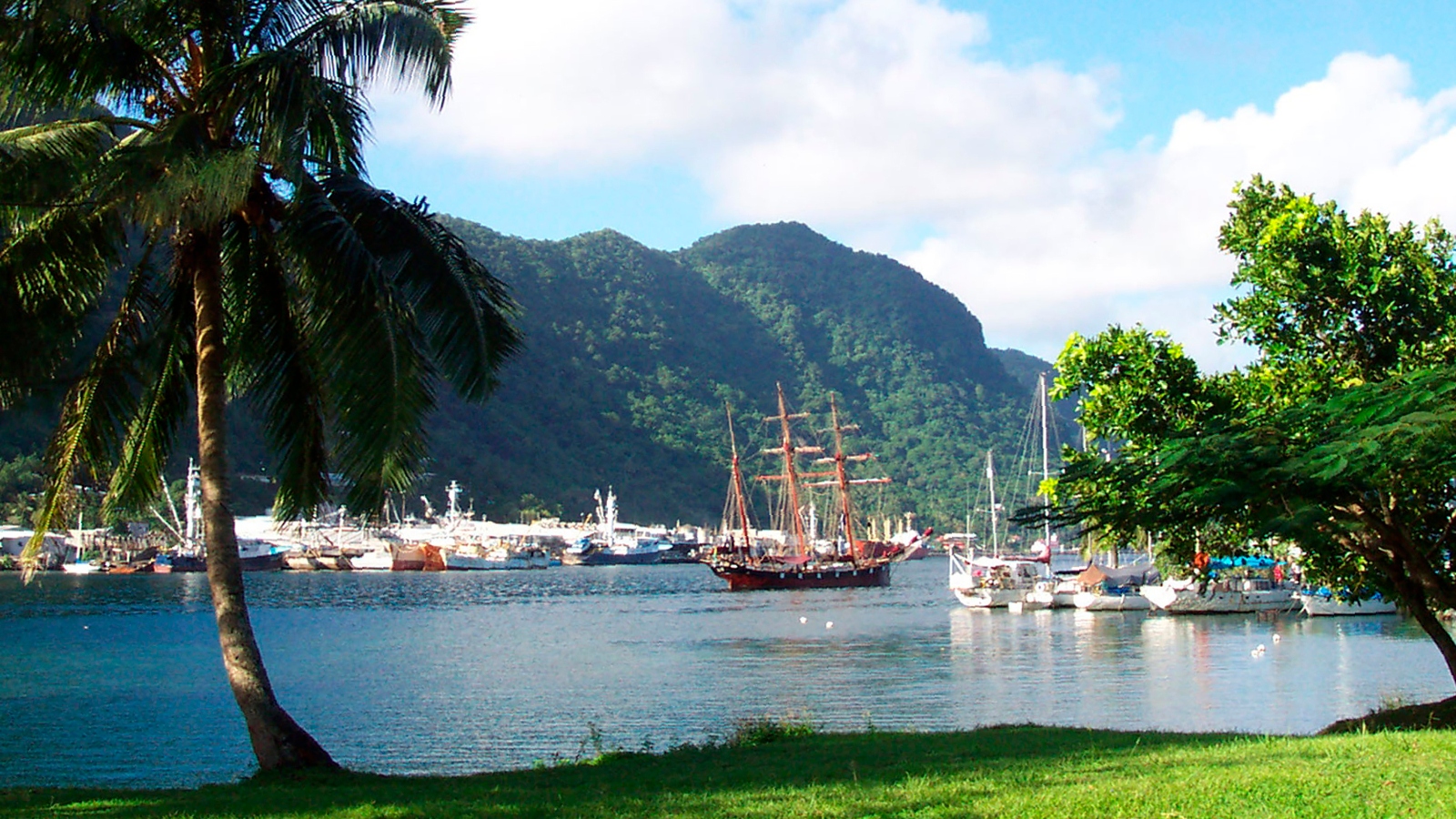
Lou Leon Guerrero, the governor of Guam, discovered the government's plan to mine her people's waters through a news article she received from her advisor on November 12. The Trump administration intended to lease millions of acres of seafloor surrounding the island to mining companies. Leon Guerrero was taken aback by this news, as she had not been previously informed.
She immediately contacted the governor of neighboring Northern Mariana Islands and an official in the Department of the Interior, expressing her dismay that they were unaware of the federal government's intentions. Despite reassurances from the Interior official that mining would only proceed with community support, Leon Guerrero firmly stated her opposition to the plan.
Nearly a year later, the administration is indeed moving forward with these mining leases, part of a larger effort to secure critical minerals and reduce dependence on China. These resources, such as copper, manganese, nickel, and rare earth elements, are crucial for military technologies and battery production. However, local leaders and environmental groups strongly oppose these plans, arguing that seabed mining could harm protected wildlife and violate the Indigenous peoples' right to free, prior, and informed consent.
The Trump administration maintains that it has the authority under U.S. law to proceed with these mining operations, despite the territorial governments' lack of influence in the decision-making process.
Written by urgent.news from Grist's reporting — not their text. Machine-written — may contain errors; check the original before relying on it.