Sekondi Stadium Rises Again, But Can It Stay Alive?
For years, the Sekondi Sports Stadium stood as a painful reminder of what happens when a major public sporting facility is allowed to slip into neglect. Once a proud sporting landmark and a gathering place for football lovers in the Western Region, the facility gradually lost its shine. Its grandstands and installations deteriorated, security became […] The post Sekondi Stadium Rises Again, But…
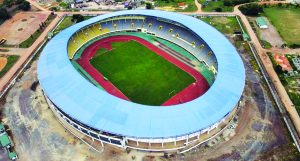
The Sekondi Sports Stadium, once a beloved landmark in the Western Region of Ghana, has undergone a significant rehabilitation effort that has sparked new hope for its future. However, officials warn that the real challenge lies in preventing the facility from slipping back into disrepair.
The rehabilitated stadium shows visible progress, with improvements made to seating arrangements and other key areas. Western Regional Minister Joseph Nelson expressed satisfaction with the progress made, but cautioned that the real work lies in maintaining the facility to prevent it from deteriorating again.
Nelson emphasized the need for a clear plan for the facility's utilization, stating that without proper maintenance and use, the stadium could once again become a forgotten landmark. He noted that the condition of the stadium when the current administration took office was far worse than previously believed, with significant work still needed before it could be considered fit for purpose.
One major challenge facing the stadium is the absence of a professional football club that could regularly use it as its home ground. While Medeama currently serves as the Western Region's representative in the Ghana Premier League, the club's home venue is located in Tarkwa, so the completion of the Sekondi Stadium may not lead to a transfer of matches to Sekondi.
Additionally, the decline of traditional Sekondi-based clubs has reduced the number of competitive football matches that could fill the stadium's stands. To ensure the facility's long-term viability, Nelson stressed the need for a broader vision that includes alternative uses for the stadium, such as athletics events, school competitions, community sporting events, and entertainment programs. These initiatives could provide ongoing revenue streams to support maintenance efforts.
The minister expressed concern that the facility's inactivity, despite its significant rehabilitation, is detrimental to its future. He urged the National Sports Authority and the Sports Ministry to develop a clear utilization and revenue-generation strategy, with a portion of the generated funds reinvested into the stadium's upkeep.
For residents of Sekondi, the rehabilitation of the stadium represents an opportunity to reclaim their city's sporting identity. However, Nelson's warning serves as a reminder that public infrastructure requires more than just construction and rehabilitation; it demands active use, protection, and maintenance. With substantial public resources already committed to restoring the Sekondi Sports Stadium, Nelson is determined that the facility should not remain idle once again.
The future of the renovated stadium remains uncertain, but the onus is now on the authorities to ensure that the lights do not go out once more.
Written by urgent.news from The Chronicle Ghana's reporting — not their text. Machine-written — may contain errors; check the original before relying on it.