Schweiz: Glocken, Käse, Schokolade: Zum Alpabzug nach Fribourg
Im Schweizer Kanton Fribourg bringen viele Landwirte ihre Rinder noch auf die Alp, wo sie im Sommer bis zu 100 Tagen leben. Der Alpabzug zum Herbst ist festliche Tradition ohne inszenierte Folklore.
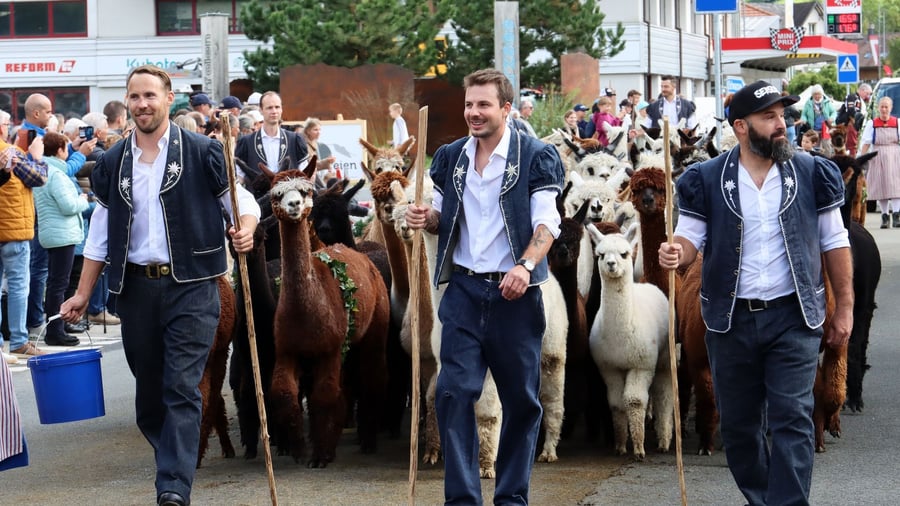
In the Swiss canton of Fribourg, a special day marks the end of the alpine summer when livestock return to their farms near Fribourg. The small town of Plaffeien becomes bustling early in the morning as nearly every household prepares to welcome their animals back from the high-altitude pastures. Farmers and their families rise before dawn to clean and groom their animals, which include cows, goats, horses, and even a herd of Alpacas.
The animals, adorned with various adornments such as wooden tags, flower garlands, and bells, march down the mountain trail towards the town, greeted by cheers and applause. A prominent feature on each animal is a large bell, often passed down through generations, symbolizing the pride of the farming family. The alpine season concludes with a festive traditional event, with around 20 families and over a thousand animals participating in the procession on the final day in late September.
The alpine cheeses and other specialties of the region are produced using time-honored methods, with the Kolly family in Broc processing 13 to 14 tons of cheese annually. The process involves heating milk to 32 degrees, adding cultures and rennet, and carefully transforming the cheese in forms before salting and aging it. The Kolly family's cheese, made from pure milk, is a protected designation of origin (AOP) product.
Alongside cheese and chocolate, Fribourg is also famous for its chocolate, with the Cailler factory in Broc producing world-renowned milk and hazelnut chocolates. The region's picturesque towns, historic castles, and extensive hiking trails make it a popular destination for tourists seeking a taste of traditional Swiss life.
Written by urgent.news from Handelsblatt's reporting — not their text. Machine-written — may contain errors; check the original before relying on it.