Researchers use genetically engineered immune cells to put a child's metastatic cancer into remission
A young boy with metastatic cancer was treated with an innovative immunotherapy technique, and after 12 months, the cancer appears to be completely gone. The technique is known as chimeric antigen receptor (CAR) T-cell therapy and is designed to fight cancer cells from inside the body rather than relying on... Read Entire Article
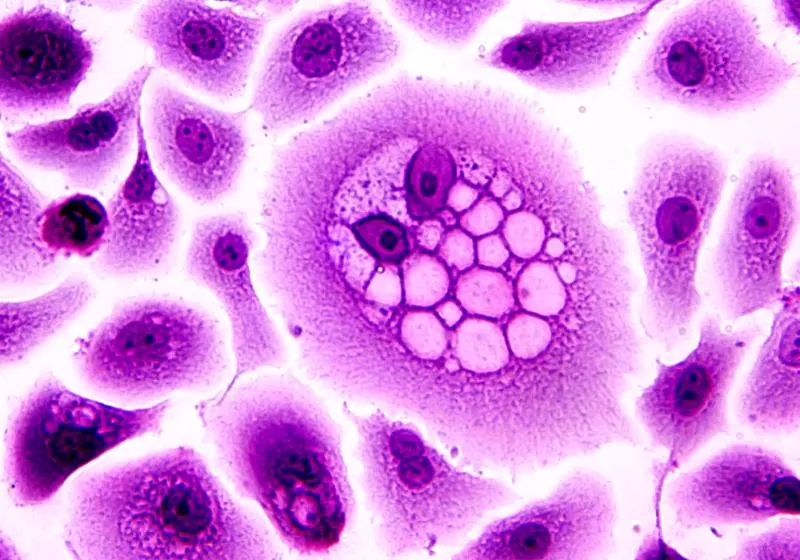
A groundbreaking study involving a young boy with metastatic cancer has shown promising results. The innovative immunotherapy technique, known as chimeric antigen receptor (CAR) T-cell therapy, was used to target the boy's liver tumor. CAR-T therapy involves taking a patient's own immune cells, genetically engineering them, and reintroducing them into the body to fight cancer cells.
In this case, the patient received two doses of the GPC3-CAR treatment, which uses his immune cells bioengineered to target a protein called glypican-3 commonly found in liver cancers. After receiving the second infusion, the boy experienced a partial response to the treatment. A follow-up scan confirmed that the cancer was in remission, and 12 months later, the boy remains cancer-free.
Researchers are optimistic about the potential of CAR-T therapy to treat solid tumors without causing significant toxicity, although they acknowledge that the therapy can be taxing on the body, especially for older patients.
Written by urgent.news from TechSpot's reporting — not their text. Machine-written — may contain errors; check the original before relying on it.


