Regulating establishment of EV charging stations: my thoughts
President John Dramani Mahama is reported to have announced on Tuesday, 15th September, plans to regulate the establishment of electric vehicle (EV) charging stations to prevent uneven pressure on Ghana’s electricity distribution network. He is reported to have added that the growing number of charging stations require proper planning to ensure they are not concentrated in areas where existing…
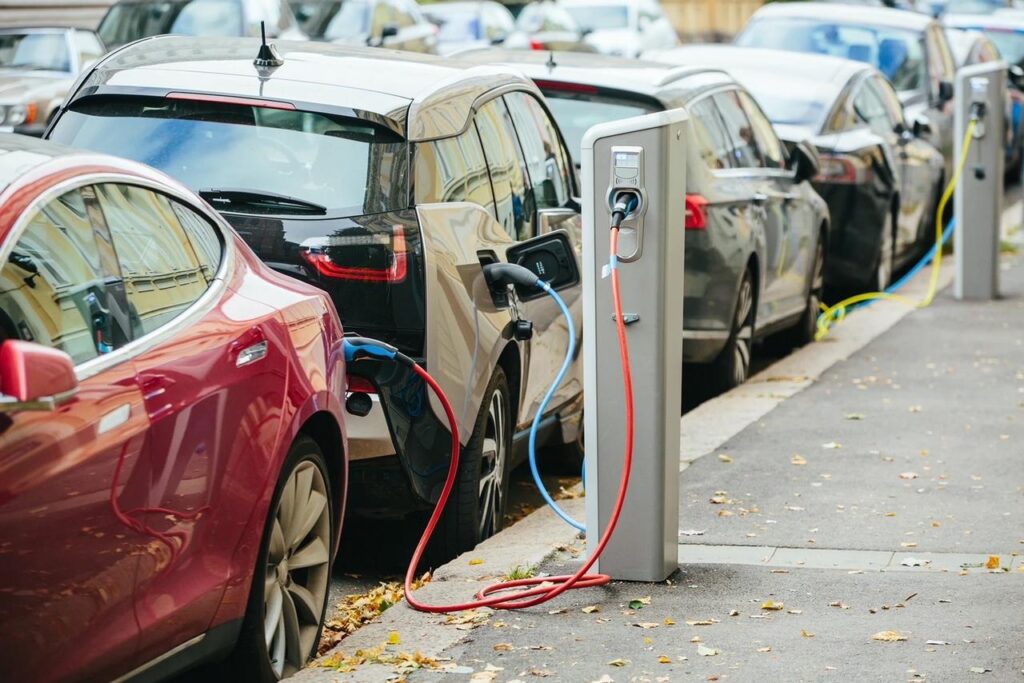
President John Dramani Mahama recently proposed regulating the establishment of electric vehicle (EV) charging stations in Ghana, aiming to curb pressure on the country's electricity distribution network. He emphasized the need for careful planning as the number of charging stations increases, warning against concentration in areas where transformers and substations lack sufficient capacity to handle additional demand.
While the president's intentions seem logical, a closer look reveals potential challenges. The cost of installing a fast-charging DC station can reach up to $55,000. Factoring in the number of vehicles that may charge daily and the electricity tariff band from the state-owned Electric Company of Ghana (ECG), it could take up to four years to recoup the investment and start generating profits.
This financial hurdle may influence where investors decide to locate their charging stations, necessitating high daily EV usage to meet revenue goals.
Another concern arises from the fact that many EV owners charge their vehicles at home overnight. Consequently, if a charging station is located far from where EV owners would typically charge their vehicles, they might rely more on home charging instead. This scenario poses a secondary issue for the government to address. Given that EV owners can install Level 2 home charging units, which are commonly used overnight, concentrating public charging stations might not effectively resolve transformer capacity issues in neighborhoods where multiple EV owners charge their vehicles simultaneously.
The president suggested mapping out Ghana based on major traffic movements and projected EV ownership concentration. Designating specific locations for charging stations within reasonable distances, upgrading transformers and substations in those areas, and considering general upgrades in suburbs where increased demand from home charging is expected, could be a more effective strategy.
It is crucial to foresee that home charging will continue to be prevalent as many EV owners prefer it over public charging stations, particularly when they face long queues at stations.
Written by urgent.news from MyJoyOnline Ghana's reporting — not their text. Machine-written — may contain errors; check the original before relying on it.