Pulses, oilseed prices rise as rain deficit hits crops
Key pulse and oilseed prices have risen sharply compared to last year. Scanty rains are affecting the current kharif crop and raising rabi season output concerns. Tur and chana prices have increased significantly, while soyabean and groundnut have seen larger jumps. Forecasts of El Nino are also impacting chana prices for the upcoming rabi season. Despite output worries, industry veterans state…
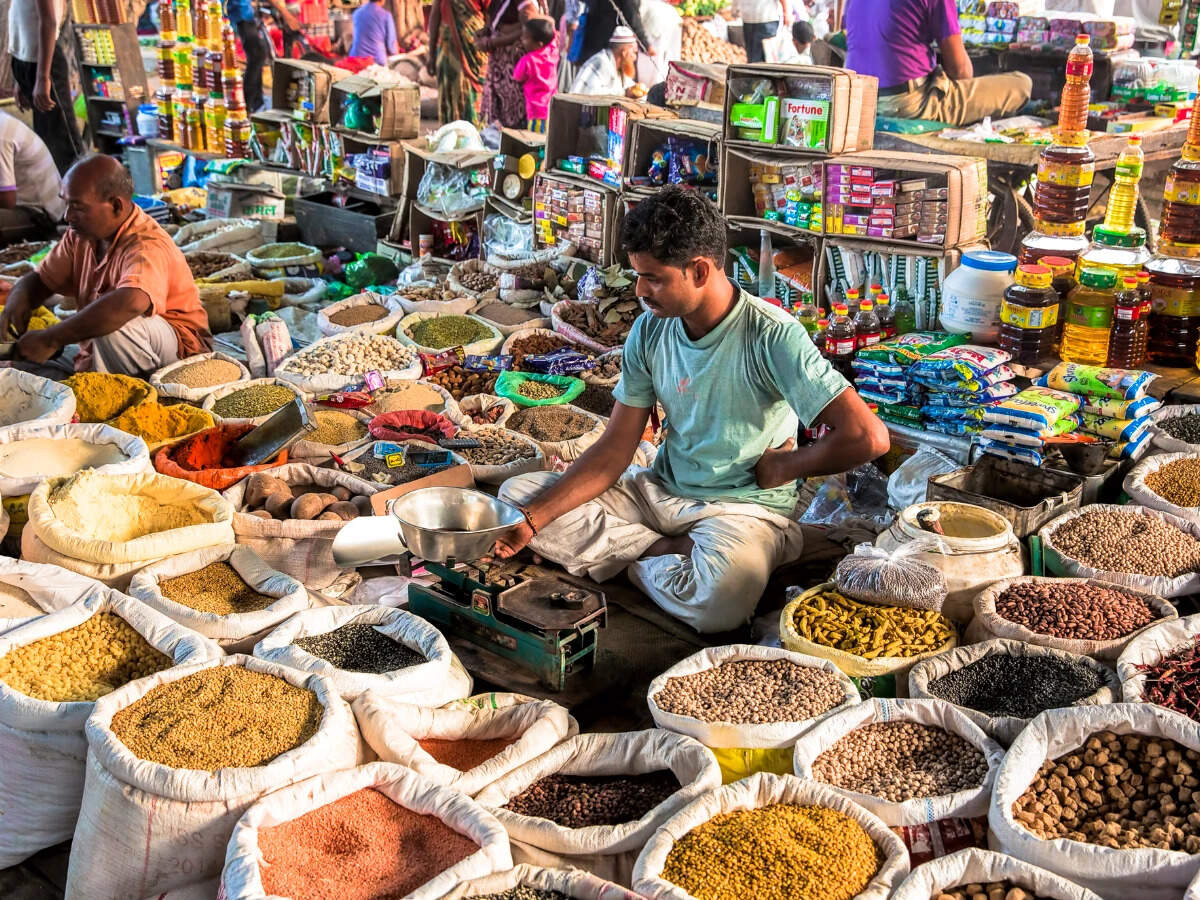
Pune witnessed a sharp rise in prices of key pulses like tur and chana, as well as oilseeds such as soyabean and groundnut, according to industry bodies. The scarcity of rain has impacted the standing kharif crop, and heightened worries about output in the forthcoming rabi season. Wholesale prices of tur surged by more than 30%, while chana climbed by 11%.
Prices of soyabean jumped by more than 40%, and groundnut rose by a staggering 50%, according to data from Indian Pulses and Grains Association and Solvent Extractors Association.
The El Niño effect is exacerbating the situation, with kharif crops and winter sowing experiencing stress due to drought. Karnataka, Maharashtra, and Madhya Pradesh, which are major producers of tur and chana, are witnessing the most significant impact. Karnataka has declared drought in around 100 taluks, while numerous districts in Maharashtra's Marathwada region have suffered a rainfall deficit of 36%.
Nitin Kalantri, a pulse processor from Latur, a prominent hub for premium-quality tur, acknowledged the weather concerns affecting prices. He also warned that increasing heat intensity could further reduce crop yields. Should the break in rainfall persist, production concerns will only intensify.
The government agency Nafed, which had been selling chana at ₹60 per kg from its stocks about two and a half months ago, recently reduced the price to ₹66. Australia, the primary source of chana imports to India, is expected to produce 40-50% less than last year. Despite the output worries, industry experts maintain that the supply situation remains manageable.
In the case of tur, both government and private trade possess adequate carry-forward stock from the previous season, while around 0.7-0.8 million tonnes of tur are anticipated to be imported from Africa.
Written by urgent.news from The Economic Times - Economy's reporting — not their text. Machine-written — may contain errors; check the original before relying on it.