Pakistan secures Sept fuel, eyes US crude via VLCC as conflict threatens fuel supplies
Pakistan has secured fuel supplies for September and derisked October requirements even under adverse scenarios, but Federal Minister for Petroleum Ali Pervaiz Malik said the government is already planning for November as uncertainty over the duration of the regional conflict persists . “We have adequate stocks…even in this risky environment we have September covered. Even in the most adverse…
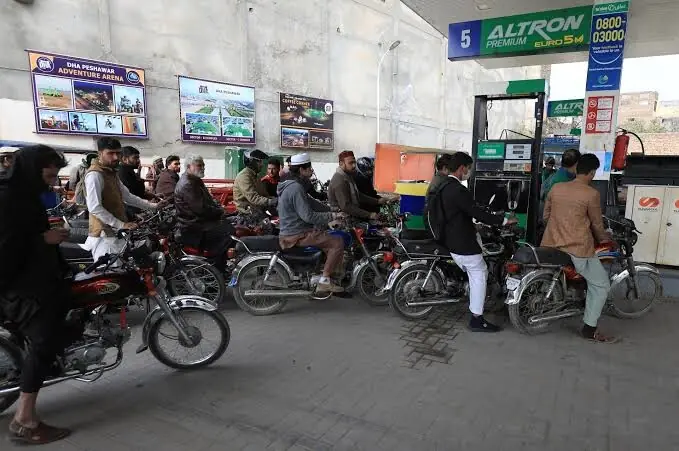
Pakistan has secured fuel supplies for September and has contingency plans in place for October, but the country's Federal Minister for Petroleum, Ali Pervaiz Malik, admits that the government is already preparing for November. The ongoing conflict between Iran and the United States has caused significant disruptions in the oil market, impacting Pakistan's fragile economy. The closure of the Strait of Hormuz, a vital shipping route for oil, has led to a surge in crude oil prices.
The Pakistani government is exploring various contingency plans to mitigate the risks associated with disruptions in Hormuz, Bab el-Mandeb, and Saudi supply routes. Malik mentioned that the country is considering sourcing crude from Oman and Fujairah, as well as Libya, the United States, Western Africa/Nigeria, and Kazakhstan. He revealed that Pakistan is planning to bring in a very large crude carrier (VLCC) from the US and park it near Hub.
However, the existing ports in Pakistan lack the necessary draft and infrastructure to accommodate such a large vessel. As a solution, the government intends to park the VLCC in Sohar near Oman or near Hub, and then transfer the crude to local refineries via ship-to-ship transfers.
Malik emphasized that the closure of the Strait of Hormuz has caused severe diesel shortages in Pakistan, as over 80-85% of the country's imported oil and gas comes from the Gulf region. The country is currently running its diesel requirements at maximum throughput at refineries due to the fuel supply disruptions. Pakistan has a limited number of vessels to manage its fuel supplies, and Malik stated that one of its vessels is currently on standby due to the ongoing disruptions.
He warned that if any of Pakistan's vessels are attacked, it would be considered an act of war against the state.
Pakistan's vulnerability is further highlighted by the fact that the country relies heavily on the Gulf region for its oil and gas imports. The closure of the Strait of Hormuz has led to drastically reduced supplies of liquefied natural gas (LNG) and liquefied petroleum gas (LPG), forcing local refineries and oil marketing companies to seek alternative routes, albeit at significantly higher prices.
Written by urgent.news from Business Recorder's reporting — not their text. Machine-written — may contain errors; check the original before relying on it.