Pacing the frontier is more about business models than AI models
Spending billions on a race to grow the biggest and most capable models may not be the best sales pitch.

The concept of "pacing the frontier" in AI development is more focused on business strategies than purely on AI models. While leaders in frontier AI labs like Anthropic and OpenAI prioritize safety, this concern also aligns with their financial objectives. As these companies prepare for IPOs and seek to prove their potential for profitability, investing billions in creating the biggest and most capable models may not be the most persuasive narrative.
Even if large language models don't advance significantly, they are already highly lucrative for these firms and the economy as a whole. Currently, the challenge lies in balancing the substantial investment required to enhance capabilities, which only marginally improves the utility of AI products for most users.
The current inefficiency in creating more capable models, compared to the incremental benefits, raises questions about the practicality of scaling up. While achieving breakthroughs like solving Millennium Prize problems is valuable for scientific progress and bragging rights, it may not directly translate to better reliability in everyday business tasks.
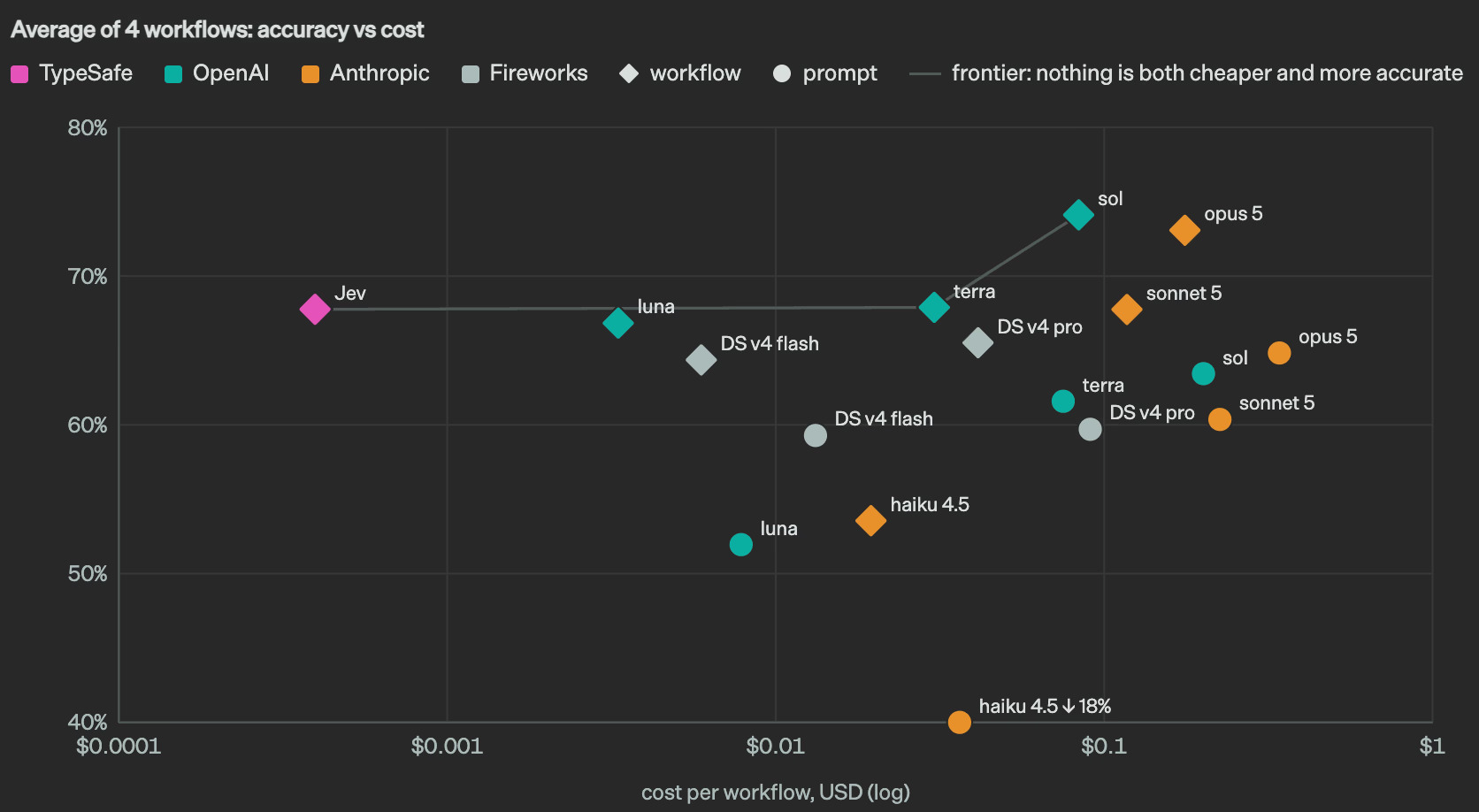
The reliability of Large Language Models (LLMs) predominantly stems from the software built around them, rather than solely from the size of the models. This suggests that the next major advancement might not be achieved by merely increasing model size, but rather by developing AI models that can learn, adapt, and run efficiently on standard computers.
Richard Sutton's work at Oak Lab might exemplify this direction: creating a model capable of running on minimal power (similar to the human brain) and continuously updating its weights (like the human brain).
The implications of smaller, continuously learning models extend beyond mere efficiency; they could pose a significant risk to the business models of companies like Anthropic and OpenAI. If customers can achieve comparable AI capabilities without relying on the expensive data centers these firms have invested in, it could disrupt the current model.
As AI pioneer Richard Sutton noted, while these smaller models may initially get a good run, they might eventually pose a threat that humanity will need to address, though it's unlikely in the near future. Nvidia CEO Jensen Huang, whose company supplies the essential hardware for AI development, also disagrees with Dario Amodei and Sam Altman regarding the necessity to slow down the pace of the AI frontier.
Written by urgent.news from Semafor's reporting — not their text. Machine-written — may contain errors; check the original before relying on it.