Old farming practice is offering new hope for climate action in Zuuku
The practice is not new. Older residents say it has been passed down through generations, long before climate change became part of everyday conversation.
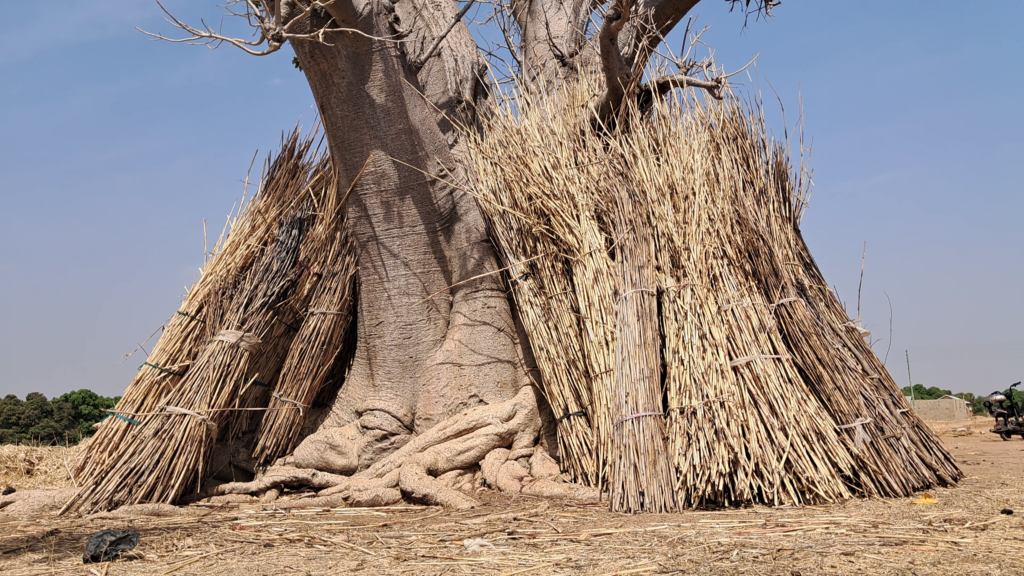
In Zuuku, a village near Bawku in Ghana's Upper East Region, farmers have discovered a new potential solution to climate action: utilizing crop residues as cooking fuel. After harvest, women collect maize and millet stalks, dry them, and store them for use in the dry and rainy seasons. For many households, these crop residues serve as an affordable and readily available alternative to charcoal and firewood, which are scarce and increasingly difficult to obtain.
Ayishetu Ayaanab, a 66-year-old resident, has been using crop residues for cooking since childhood, noting that they are cheaper than firewood and help preserve trees. Dr. Alexander Nti Kani, an environmental expert, highlights that using crop residues reduces the need to cut trees and thus helps protect forests and lower carbon emissions.
However, burning stalks produces smoke and emissions, posing health risks depending on the stove, fuel dryness, and ventilation. The major challenge lies in the fact that about one billion people in sub-Saharan Africa lack clean cooking solutions, relying on wood and charcoal. While crop residues are not perfect fuel, they could be preferable to alternatives linked to deforestation and carbon emissions.
Moreover, using residues prevents open burning of agricultural waste, which can harm soil health. Thus, for Zuuku, the question is whether crop residues can serve as a more sustainable cooking fuel compared to existing options.
Written by urgent.news from MyJoyOnline Ghana's reporting — not their text. Machine-written — may contain errors; check the original before relying on it.