Oil prices edge lower ahead of Fed decision
Benchmarks fell but stayed near 4-mth highs ahead of Fed’s interest-rate decision, while disruptions in Middle East, Houthi advances kept supply risks elevated

Oil prices declined slightly in early European trading on Wednesday, in advance of the Federal Reserve's interest-rate decision. This came amid ongoing disturbances in the Middle East and Houthi advances, which continue to heighten supply risks. Brent crude futures fell by 1.1% to $107.55 per barrel, while West Texas Intermediate dropped 1.6% to $104.11 per barrel. Despite falling, both benchmarks remained close to four-month highs following Tuesday's record levels since May 19.
The price dip was attributed to a strong dollar and elevated Treasury yields. Additionally, U.S. crude inventories increased by 7.1 million barrels last week, reducing some immediate supply concerns, according to MUFG's Soojin Kim.
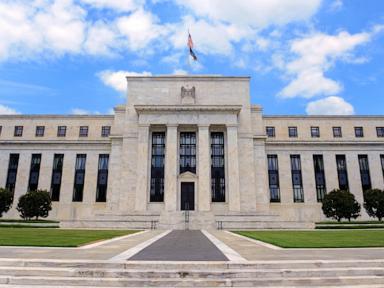
The Federal Reserve is set to reveal its interest-rate decision later on Wednesday, following a two-day policy meeting. Market expectations are that the Fed will raise its benchmark rate for the first time since 2023. Such a move could negatively impact economic activity and consequently, oil demand.
Saudi Arabia is attempting to resume partial operations on the East-West Pipeline within days, following drone attacks that had previously halted its functionality. However, the damaged pumping stations might take six to eight weeks to fully repair. The 750-mile pipeline is capable of transporting up to 7 million barrels daily to the Red Sea port of Yanbu, serving as an alternative export route when flows through the Strait of Hormuz are restricted.
Saudi Arabian Oil Co., also known as Aramco, is reportedly delaying shipments to some European customers due to attacks on the pipeline. This has forced refiners to seek alternative cargoes, as stated by UOB Global Economics & Markets Research in a note.
Shipping risks persist around the region's primary export routes. As of September 15, the International Maritime Organization had recorded 80 confirmed maritime incidents in the Strait of Hormuz and the broader Middle East since the conflict began.
The situation in Saudi Arabia also impacts Europe's physical crude market. Norway's Johan Sverdrup, a medium-sour crude resembling certain Middle Eastern grades, experienced a $7.265 per barrel increase on Tuesday, reaching a record premium of $19.55 over Dated Brent, according to S&P Global Commodity Insights. European refiners have increasingly utilized Johan Sverdrup as a relatively close replacement for Middle Eastern barrels, given concerns over shipping risks around Hormuz, rising Asian demand, and delays in Middle East cargoes, thus reducing sour crude supplies.
The Saudi East-West Pipeline shutdown led to a surge in demand for replacement barrels in the North Sea, as noted by S&P.
Written by urgent.news from Hindustan Times - World News's reporting — not their text. Machine-written — may contain errors; check the original before relying on it.
Also reported by 1 other outlet
- Wall St futures edge higher in countdown to Fed decision investing.com