Oil above $100: Fuel anger erupts from Asia to Europe and Latin America
$100 oil hits streets as fuel anger spreads worldwide
Oil prices above $100 per barrel are causing widespread disruption and frustration across the world, from Asia to Europe and Latin America. Rising fuel costs have triggered protests, transport strikes, shortages and mounting pressure on governments to take action.
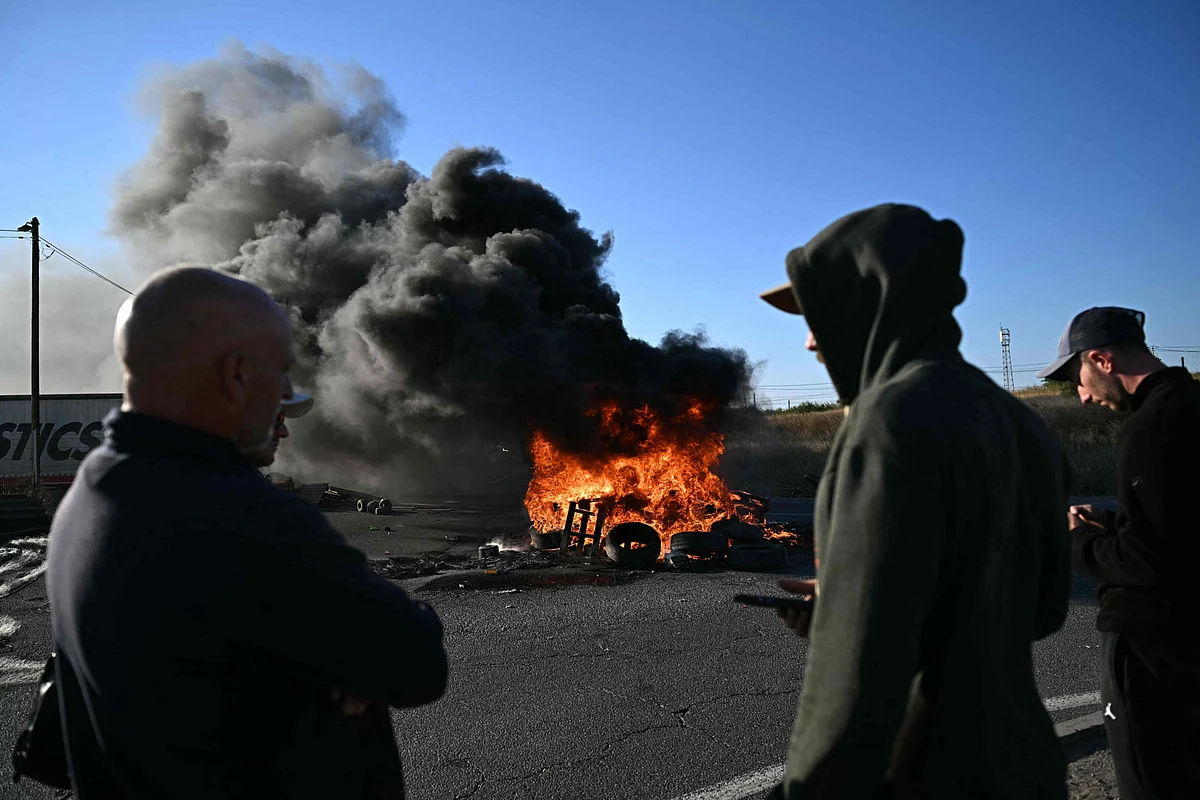
In Syria, the government temporarily increased diesel prices by about 40% and gasoline prices by more than 25%, prompting large-scale demonstrations, blocked roads with flaming tires and tensions with the authorities. The fuel hike added to ongoing economic challenges in the country.
Indonesia is grappling with severe fuel shortages, blackouts and rationing, leading to protests, especially in cities like Makassar where residents are running out of cooking gas and gasoline. In the Philippines, transport workers are on strike demanding fuel subsidies and tax reductions after another round of price hikes.
In Bangladesh, an oil-importing nation, power shortages due to high diesel prices have forced factories to ration electricity and close temporarily. Sri Lanka is also facing a fuel crisis, with distributors restricting supplies as they anticipate further price increases. The government is weighing whether to raise state-set fuel prices and introduce subsidies, a difficult decision for a nation with one of the developing world's highest debt-to-GDP ratios.
Across Europe, protests have erupted in Portugal and southern France, with truckers and demonstrators blocking highways and blockading fuel depots. In Portugal, the government announced support for freight transporters and taxi drivers, while in France, fishermen have blockaded a major fuel depot, demanding urgent government intervention.
These widespread protests highlight the cascading impact of high oil prices on global economies, transportation, food supplies and everyday life. Governments are caught between passing the increased costs on to consumers, which could exacerbate inflation and public anger, or subsidizing consumers, which could strain already stretched public finances.
Written by urgent.news from Gulf News's reporting — not their text. Machine-written — may contain errors; check the original before relying on it.