NST Leader: Litterbugs must learn to clean up their act
AS high as 60 per cent of Malaysians are litterbugs, as estimated through data from the Housing and Local Government Ministry.
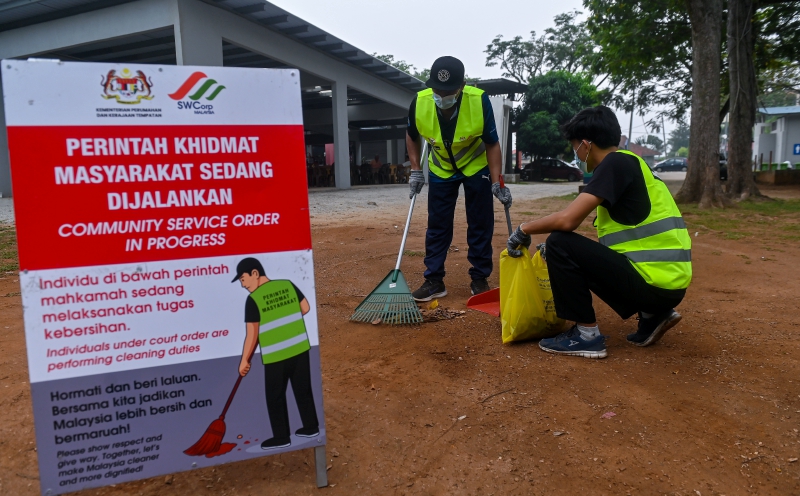
A staggering 60 percent of Malaysians are estimated to be litterbugs, according to data from the Housing and Local Government Ministry. These individuals, driven by ingrained habits rather than neglect, refuse to place their waste in designated bins despite their presence. Unlike their Japanese counterparts, known for their cleanliness and hygiene, Malaysians generally lack civic-mindedness.
The primary culprits are smokers who discard cigarette butts carelessly and those who deliberately dump bags of rubbish on the roadside. Interestingly, litterbugs maintain cleanliness at home and in their vehicles but view roadsides, parks, and rivers as unrestricted dumping grounds. The act of littering also carries psychological implications; the constant sight of clean-up crews at work in places like KL City Hall or Alam Flora may normalize the behavior, legitimizing the selfish habit.
This year, a zero-tolerance enforcement policy has led to a crackdown on littering, with the Solid Waste and Public Cleansing Management Corporation (SWCorp) apprehending 8,000 litterbugs across six states. In Kuala Lumpur alone, 4,000 individuals were fined, with 72 percent being Malaysians and the remainder foreign tourists or migrant workers.
SWCorp has introduced mandatory community service and fines of RM2,000 to discourage the offending behavior. This approach proved effective, with an Indonesian litterbug jailed for a month for publicly throwing a cigarette butt in Stulang, Johor Baru. Prior to this, he would have merely paid the fine. The SWCorp's firm stance resulted in 59 Malaysians and 48 foreign nationals being fined RM71,550 and required to complete two to ten hours of community service.
While the public reaction to this jail sentence was incredulous, the agency has emphasized that such consequences are necessary for accountability. The success of Singapore's long-standing clean streets can be attributed to their rigorous enforcement and transparent reporting, underscoring the importance of a culture where individuals understand that someone else will not clean up their rubbish.
Written by urgent.news from New Straits Times's reporting — not their text. Machine-written — may contain errors; check the original before relying on it.