Northumberland’s bold producers reinventing English whisky and gin
To celebrate the introduction of geographical indications for English Whisky, Rupert Hargreaves takes a look at two innovative producers shaking up England’s spirits market. When you think of Northumberland, images of rugged landscapes, heather-covered hills, fir trees and ancient ruins spring to mind. Nestled between Scotland and England, the region is steeped in history, from [...]
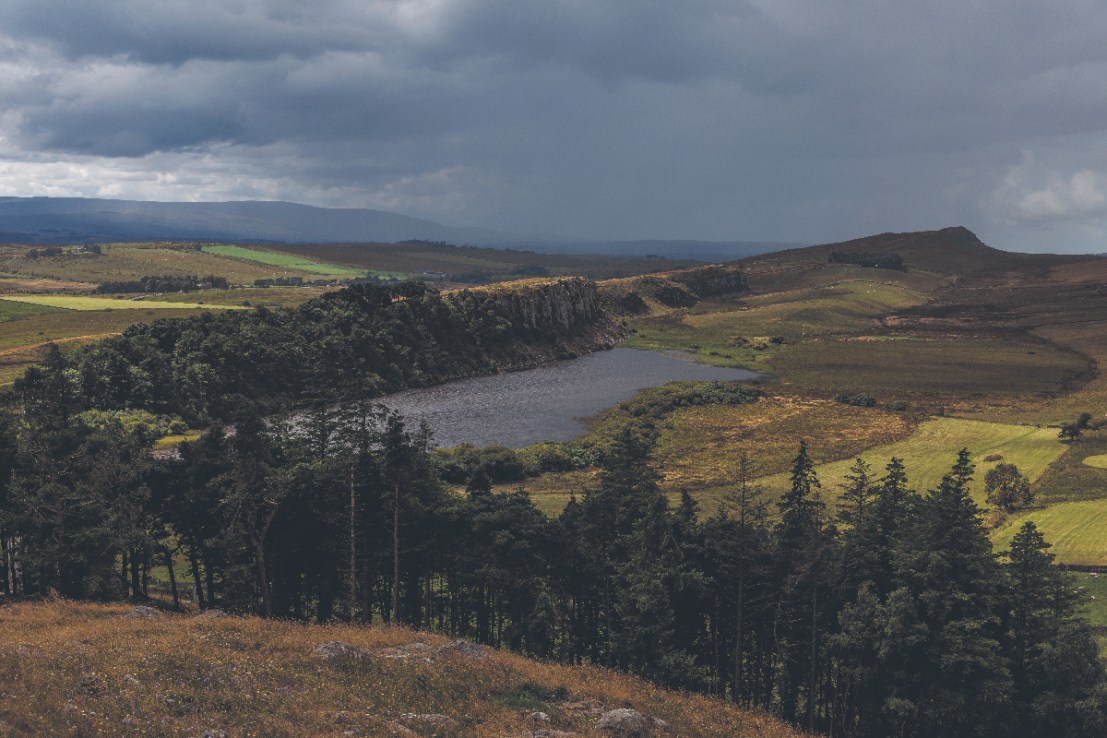
Northumberland's diverse landscape, rich history, and innovative producers are reshaping the English whisky and gin markets. The region, nestled between Scotland and England, boasts rugged beauty, ancient ruins, and a storied past filled with conflict and power shifts. Two pioneering spirits producers, Ad Gefrin and Hepple Gin, are leading the charge in redefining English whisky and gin.
Ad Gefrin, the world's first whisky distillery and contemporary museum, is located at the gateway to the Cheviot Hills. The distillery celebrates the region's archaeology, local barley, and Cheviot water in its Single Malt whisky. With three International Wine & Spirits Competition awards, including a Silver Medal, Ad Gefrin's Tácnbora Northumbrian Blended Whisky is set to launch its first Northumbrian single malt, the Crǣft Series, in July 2026.
As of September 11th, all English whiskies are now protected under Geographical Indication (GI) status. This designation ensures that whisky labeled "English Whisky" or "English Whiskey" adheres to specific geographic and manufacturing rules, using 100% UK-grown cereal grain and English-sourced water.
Hepple Gin, another innovative producer in Northumberland, is making waves with its unique distillation process and focus on the natural environment. The gin is crafted using juniper berries sourced from the Hepple Estate, home to one of the largest juniper collections in North-East England. Master distiller Chris Garden, chef Valentine Warner, bartender Nick Strangeway, and estate owner Walter Riddell have created a gin that harnesses the land and its juniper trees to produce a high-quality, juniper-led spirit.
This approach to gin-making emphasizes the importance of time, as the flavor profile develops over years of maturation.
Written by urgent.news from City AM's reporting — not their text. Machine-written — may contain errors; check the original before relying on it.