Nanoscale mechanics could enable brain-inspired computing
A new device uses reconfigurable motion to mimic the firing behavior of a neuron, which could lead to more efficient computing.
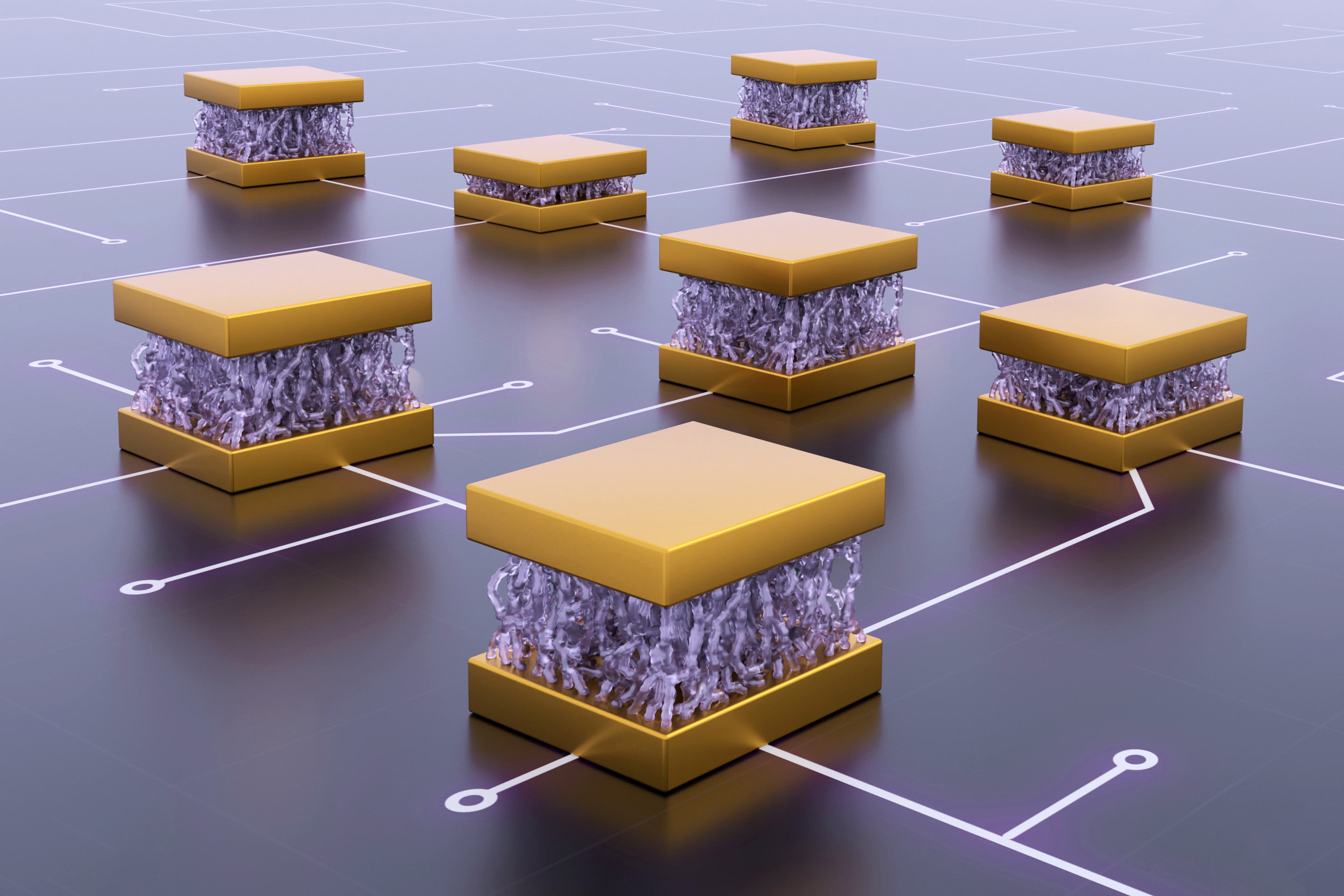
MIT researchers have developed a novel computing platform that could lead to next-generation electronics capable of performing multiple functions simultaneously, such as computing and memory, in a compact and energy-efficient manner. This groundbreaking technology relies on the unique mechanical response of soft polymers at the nanoscale.
By leveraging this response, the researchers have created tiny mechanical devices that use reconfigurable motion to remember and process information in a manner similar to how neurons operate in the brain.
The key to this innovation lies in the material properties of the soft polymer, which allows for the integration of complex computing functions directly into the intrinsic properties of the soft polymer. This minimizes the number of components required for various functions, resulting in a highly compact and versatile platform for information processing.
Farnaz Niroui, an associate professor of electrical engineering and computer science at MIT and senior author of the study, explains that this approach enables unprecedented levels of energy efficiency, autonomy, and reconfigurability in nanoscale devices and systems that are difficult to achieve with traditional computing platforms.
The researchers achieved their goals by designing a device consisting of a super-thin film of the soft polymer polydimethylsiloxane (PDMS) sandwiched between two metal electrodes. This design effectively balances the adhesive forces between the metal surfaces, preventing them from sticking together permanently. When a voltage is applied to the device, the metal plates attract each other, compressing the soft material and altering the electrical current flowing through the device.
The viscoelastic nature of PDMS allows it to retain the compressed state for a period, enabling the device to dynamically remember the history of applied forces and voltages, thereby converting this history into an electrical response.
This innovative approach has been successfully demonstrated through the creation of an artificial neuron. In biological systems, neurons accumulate an electrical charge over time until they reach a threshold, at which point they fire and pass information to other neurons in a network. Similarly, the MIT researchers' device mimics this behavior by accumulating stimulus as the electrodes compress the PDMS.
Once the threshold is reached, the device "fires" and then relaxes back to its original state, showcasing the complex functionality of biological computing within a single nanoscale device. This all-in-one functionality with no external components required makes the platform highly energy-efficient and compact, opening up new possibilities for edge computing applications, medical and environmental monitoring systems, and smart robots.
Written by urgent.news from MIT News Research's reporting — not their text. Machine-written — may contain errors; check the original before relying on it.