Ministers sound alarm as energy crunch looms
• Federal cabinet members insist prudent planning averted a worse crisis • PM’s fuel relief scheme set for nationwide rollout from midnight • Local resources kept lights on amid Hormuz disruption, says Leghari • Rs100 relief per litre is all economy can bear right now: Musadik • Govt denies ‘smart lockdown’ rumours as fuel costs spiral ISLAMABAD: With Gulf energy transit routes effectively closed…
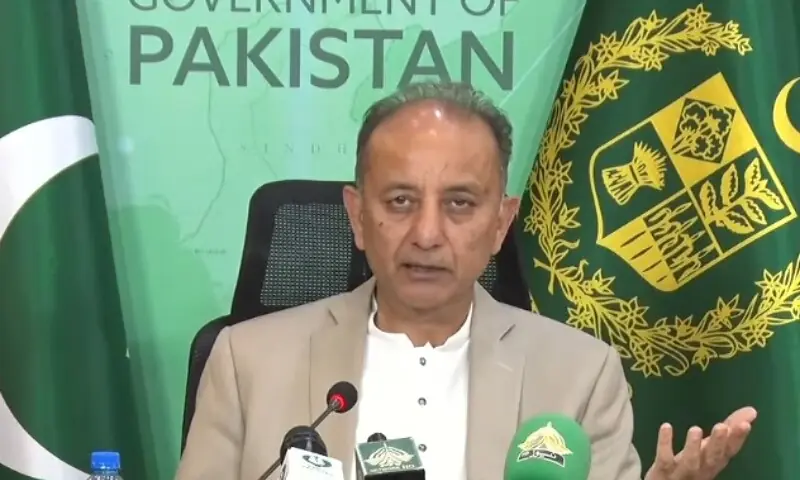
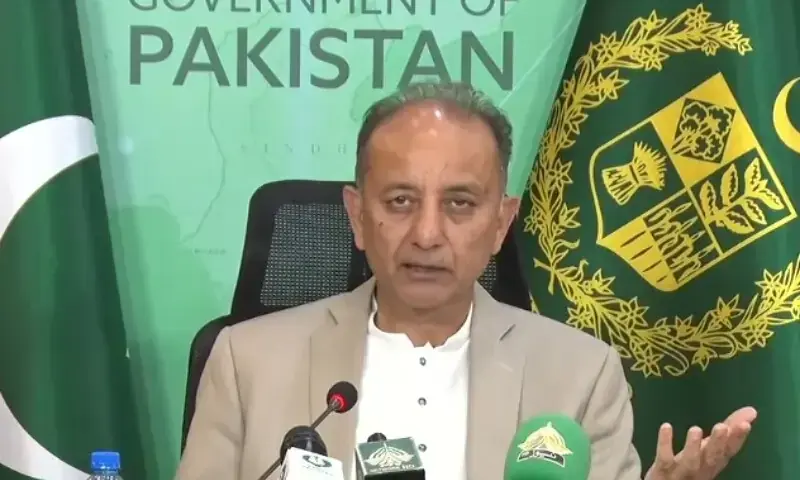
Islamabad witnessed a meeting of federal cabinet members who raised alarm over the looming energy crisis in the country. Prime Minister's Fuel Relief Scheme is set to be rolled out across the nation from midnight, according to the Ministry of Climate Change. The scheme provides a relief of Rs100 per litre, which is the maximum the economy can bear at the moment, as per Musadik Malik, the Climate Change Minister.
The cabinet members highlighted that things could have been much worse due to prudent planning on the government's part. They discussed how disruptions in the Hormuz and Bab El-Mandeb straits could have worsened existing fuel shortages and power generation issues. Energy Minister Sardar Awais Ahmad Khan Leghari emphasized how the international oil market's price surge was testing the government's capacity to handle such shocks.
The National Steering Committee on Fuel Subsidy, chaired by Deputy Prime Minister Ishaq Dar, directed provinces to complete district-level outreach for seamless delivery of relief to beneficiaries. According to Malik, following a successful pilot in Islamabad, the scheme would be extended nationwide from midnight tonight.
Malik also explained that the Pakistan economy could only absorb a relief of Rs100 per litre. He provided examples of how the relief would impact different beneficiaries, such as delivery riders and rickshaw drivers, stating that the relief could help them meet basic expenses and children's school fees.
On the other hand, Energy Minister Leghari reiterated the cabinet colleague's warnings about the Hormuz situation and mentioned that despite fuel shortages, Pakistan managed to keep power plants running due to maximum utilization of domestic resources. In August 2026, 72% of total electricity generation was sourced from domestic resources, including hydel, local coal, nuclear, local gas, wind, and solar energy.
Leghari also clarified that fuel shortages were due to disruptions in the RLNG supply chain, which increased spot cargo prices to $23.25 per MMBtu. He explained that additional domestic gas arrangements prevented the power sector from facing an hour of load shedding, and avoided increasing overall consumer tariffs by around Rs10.6bn.
Written by urgent.news from Dawn's reporting — not their text. Machine-written — may contain errors; check the original before relying on it.