Man who faced three felonies for destroying a fake Flock camera has charges reduced to misdemeanors
It was reported in late August that Evan Meyer, 24, was being charged with counts of criminal mischief causing more than $1,000 in damage, grand theft involving property valued between $750 and $5,000, and damaging or taking a computer, electronic device, or related equipment. All felonies. Read Entire Article
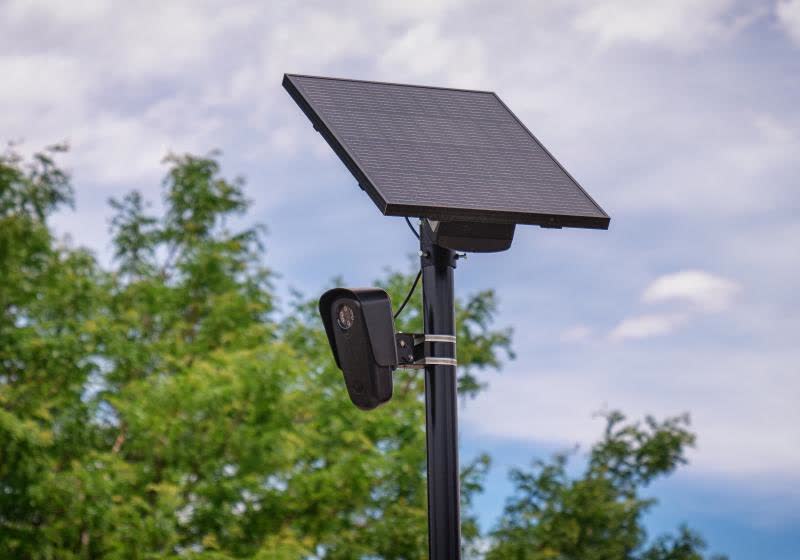
Evan Meyer, a 24-year-old man, faced three felony charges for destroying a 3D-printed decoy of a Flock surveillance camera. Meyer believed he was dismantling a genuine Flock camera, which has faced increasing criticism due to the company's actions. However, the decoy was made of 3D-printed materials and had a value significantly lower than a real Flock camera.
Florida police have since reduced Meyer's charges to misdemeanors, specifically second-degree misdemeanors for criminal mischief causing under $200 in damage and petty theft involving property worth less than $750. The reduction in charges comes as the police department admits to the controversial decoy operation and the toxicity of Flock cameras' reputation.
Written by urgent.news from TechSpot's reporting — not their text. Machine-written — may contain errors; check the original before relying on it.
This story
This is one outlet's version. Read the fullest account.
- Hackers rip down Flock camera, steal its data, share findings with media thehill.com
- Hackers find encryption keys stored on stolen Flock camera despite company's denials — group extracts more than 27,000 clips, 1.6 million images captured in a span of 21 days from the device tomshardware.com
- Hackers stole a Flock camera and found 27,321 video clips, 1.6 million images, and an encryption key techspot.com
- Hacker collective stegan0gram dismantles a Flock camera, recovering an encryption key and showing it runs ~20 apps on a midrange smartphone-grade processor (404 Media) 404media.co
- Hackers dismantle Flock camera to see what makes it tick mashable.com
- Hackers reveal how Flock cameras really track cars and people arstechnica.com