Malaysia prioritises diplomacy over compensation in addressing transboundary haze, says Zahid
KUCHING: Malaysia prioritises long-term diplomatic cooperation and early preventive measures over seeking compensation from neighbouring countries in addressing transboundary haze.
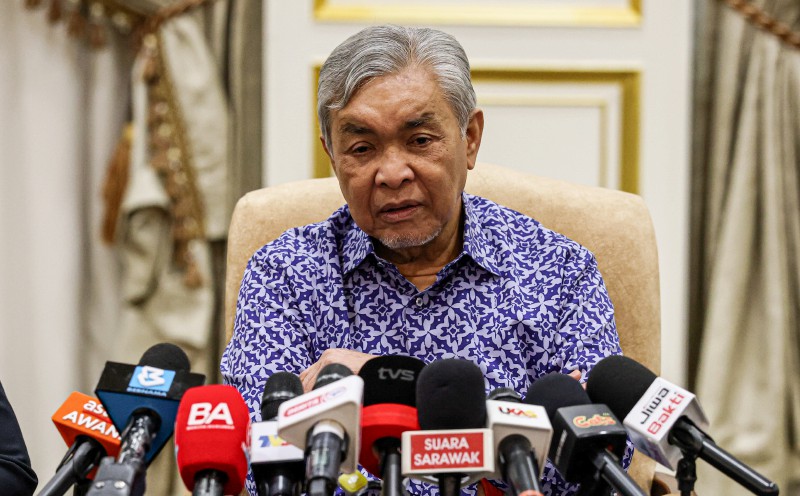
KUCHING: Malaysia emphasizes diplomatic cooperation and preventive actions over compensation claims in managing transboundary haze, according to Deputy Prime Minister and National Disaster Management Committee chairman, Dr Ahmad Zahid Hamidi. Zahid stated that a strategic diplomatic approach is the most effective method to resolve sensitive inter-state issues among Asean member states, while ensuring efficient technical coordination.
He explained that demanding compensation doesn't necessarily indicate any specific country's liability, and early preventive measures would prevent the need to address such complex inter-state disputes. Seeking compensation might not be the most practical course of action, Zahid suggested, as it could complicate diplomatic relations.
The Malaysian government intends to raise the issue of losses caused by transboundary haze, including economic, health, and tourism impacts, during his upcoming visit to Jakarta with the Halal-20 Conference. The delegation will discuss the haze problem alongside other ministers, including those from the halal sector. As part of the government's strategy, the National Disaster Management Agency is preparing to coordinate cloud seeding operations and logistical support for tackling forest and peatland fires in Kalimantan, Indonesia should an official request be made.
The government is also shifting towards an anticipatory action approach, involving hotspot monitoring, firefighting assets readiness, peatland management, enforcement against open burning, and disseminating health information to the public. Additionally, an allocation of RM5 million has been approved for cloud seeding operations and related management this year, with RM2 million for Phase One and RM3 million for Phase Two.
Written by urgent.news from New Straits Times's reporting — not their text. Machine-written — may contain errors; check the original before relying on it.