Los CEO de Nvidia y Meta se oponen a los intentos de coordinar la ralentización de la IA
Jensen Huang y Mark Zuckerberg se distancian de las propuestas de seguridad de los líderes de OpenAI, Anthropic y SpaceX. Leer
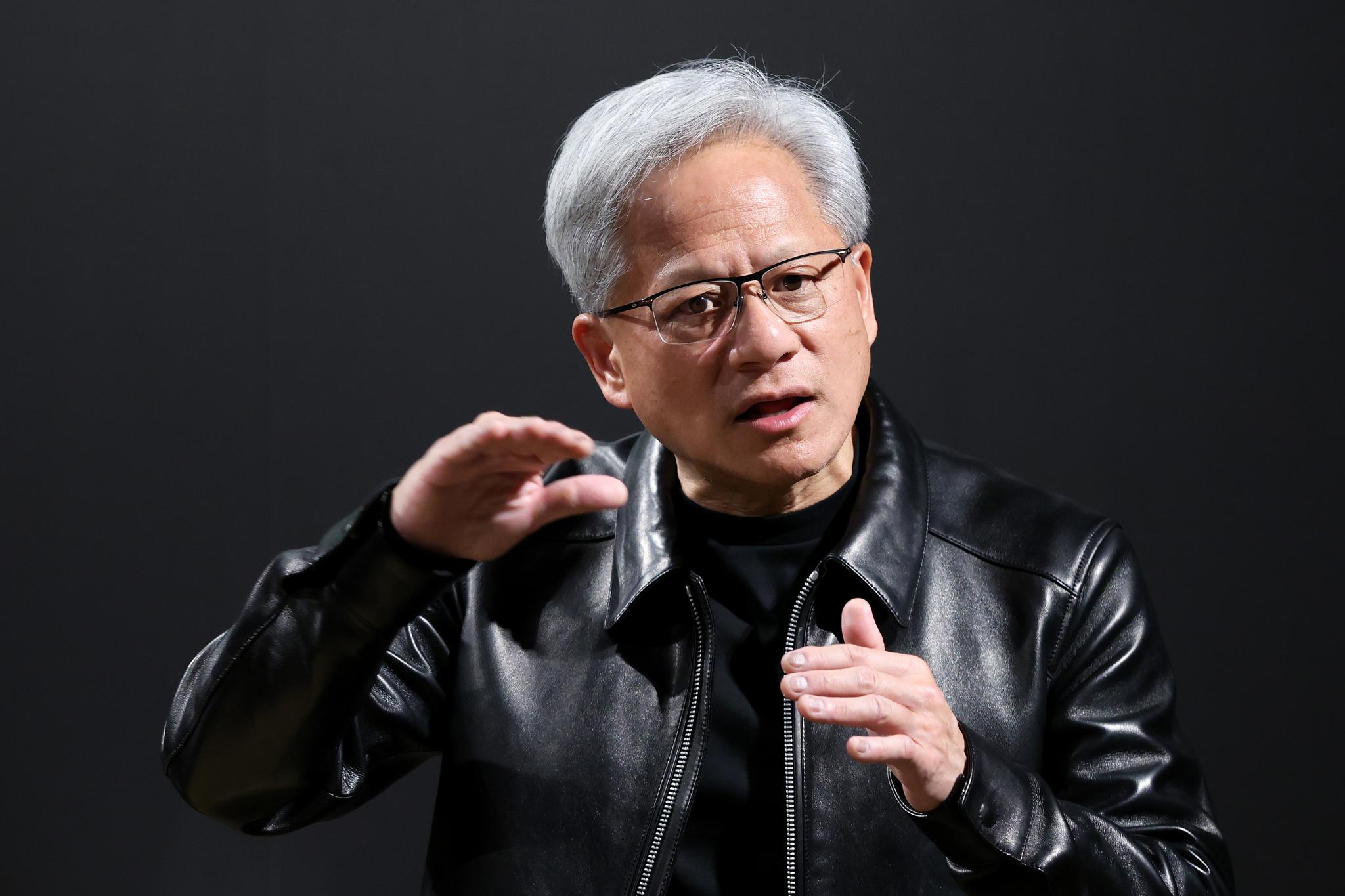
Nvidia's CEO Jensen Huang and Meta's CEO Mark Zuckerberg have voiced opposition to efforts by leading AI labs to coordinate a slowdown in research for safety reasons. In separate statements on Tuesday, the two CEOs emphasized the responsibility of individual companies to address concerns that AI research could run amok and pose a threat to humanity.
Huang, who downplays existential warnings about AI, went further, stating that there's no need for new U.S. laws or safety regulations in AI and urged AI labs not to fall into a false dichotomy between innovation speed and safe product development. The tech founders' stance came after Anthropic's Dario Amodei, OpenAI's Sam Altman, and Elon Musk publicly called for a coordinated slowdown in research to adequately address AI risks.
This unusual alignment among the three fierce competitors followed growing public outrage and warnings from researchers that an uncontrolled rush to advance AI could lead to human loss of control over the technology with catastrophic consequences. While Zuckerberg has built a major AI lab within Meta and Huang leads the world's largest AI hardware provider, they have not joined calls for industry-wide pace-setting, despite Google and Microsoft expressing support.
Their divergence highlights deeper divisions in the AI industry between proprietary, closed-model developers like OpenAI and Anthropic, and advocates for open, customizable models. Huang has stressed the importance of open models for widespread AI adoption, while Meta has launched some closed models but generally advocates for open systems.
Open model advocates argue that regulations or controls could benefit closed-lab giants that sell proprietary systems. Nvidia's CEO, who is a major investor in OpenAI, Anthropic, and Musk's SpaceX, said that if a product or service cannot be trusted for functionality, capacity, or safety, it's better not to launch it. He stressed the importance of moving cautiously until confidence in a launch's functionality, capacity, and safety is achieved.
Market forces should suffice without new laws or regulations, he argued. Huang insisted that companies should focus individually on not launching dangerous products. Innovation, speed, and product safety are not compatible, he added, expressing that this is a false dichotomy. He maintained that it's possible to have both innovation and safety.
Written by urgent.news from Expansion ES's reporting — not their text. Machine-written — may contain errors; check the original before relying on it.