Lima’s oldest mill, uncovered by chance in 2020, to open to visitors in January
The Molino de Aliaga, the Peruvian capital’s earliest colonial structure, was built by the Spanish conquistador Jerónimo de Aliaga in the 16th century
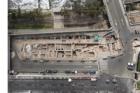
In 2020, Lima's oldest mill was discovered by chance during excavation work for the Municipal Programme for the Recovery of the Historic Centre of Lima (Prolima). The Molino de Aliaga, built by Spanish conquistador Jerónimo de Aliaga in 1548, remained hidden for over 300 years. The mill, which produced flour for the growing city, was located close to Aliaga's house near the Rimac River.
It functioned until 1672, witnessing the peak of Lima's economic boom in the 17th century. Earthquakes and subsequent construction obscured the mill until its recent discovery. The mill, along with the city's oldest house, Casa de Aliaga, and other historical structures, will be open to the public in January to mark the 492nd anniversary of Lima's founding.
The project, part of a larger plan to restore the Rimac River's prominence, aims to incorporate the mill into Lima's tourist circuit and prepare for the city's 500th birthday celebration in 2035.
Written by urgent.news from The Art Newspaper's reporting — not their text. Machine-written — may contain errors; check the original before relying on it.