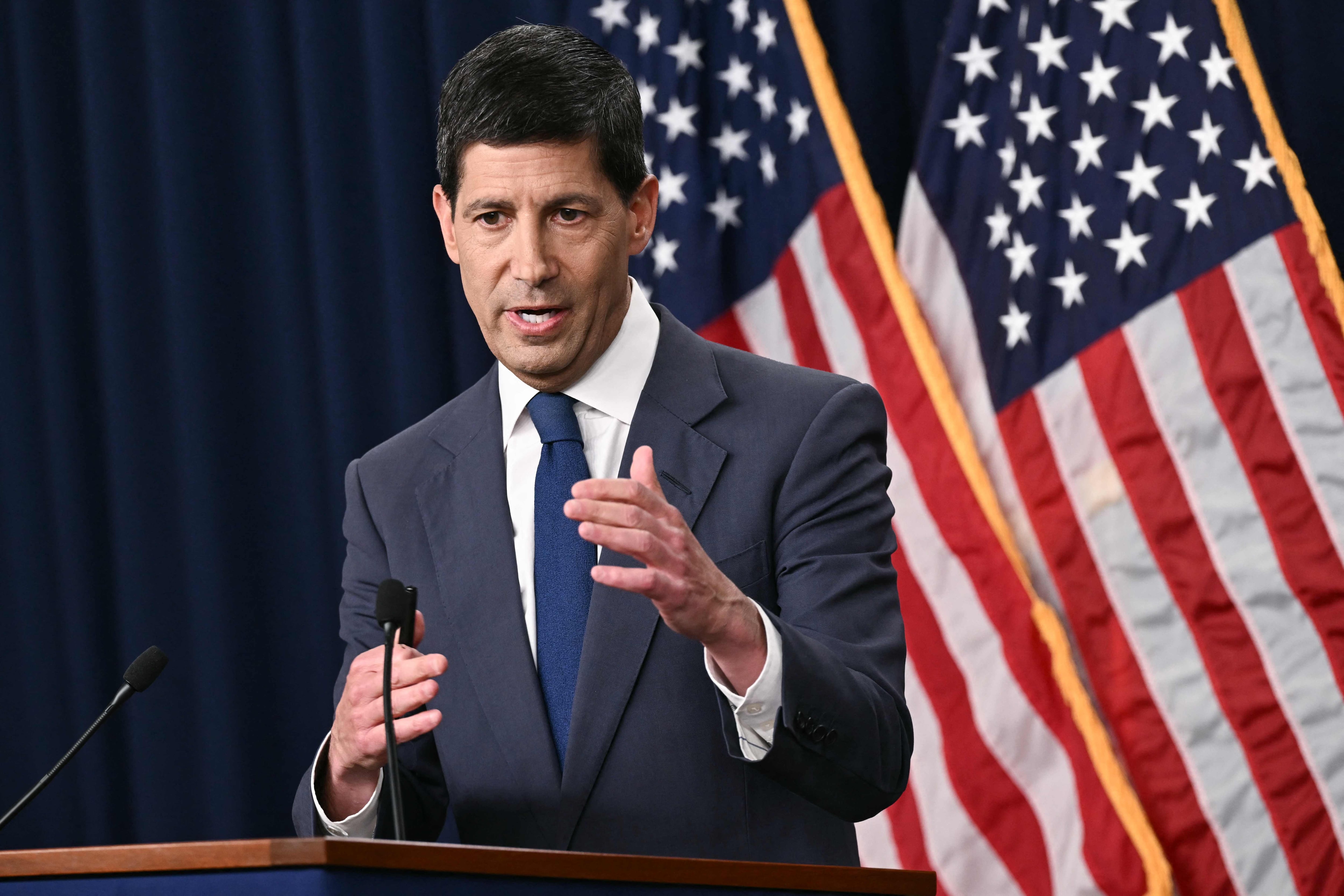
La Fed desafía a Trump y sube tipos, por primera vez en tres años, al 4%
La Reserva Federal cumple con las expectativas del mercado, elevando en 25 puntos el precio del dinero para tratar de embridar la inflación, pese a las presiones de la Casa Blanca para que rebaje tipos. Leer

The Federal Reserve has followed market expectations by raising interest rates by 25 basis points to curb inflation, despite pressure from the White House to lower rates. For the first time in over three years, the Federal Reserve dared to increase the cost of money, marking a significant shift in monetary policy. Under the leadership of Kevin Warsh, the U.S. central bank increased interest rates by a quarter of a point, from 3.75% to 4%.
This move, anticipated by 90% of investors, contradicts the mounting pressure from the occupants of the White House to reduce rates. The meeting this week was a crucial test for Warsh, who was appointed to the Fed presidency by Trump in May, replacing Jerome Powell. Bank of America noted that Warsh's credibility hinged on this critical encounter, after maintaining constant interest rates during the first two FOMC meetings he led.
The rate hike, decided unanimously at 3.75%-4%, was a decisive move from the range of 3.5%-3.75%. Warsh explained that the Fed's decision was influenced by geopolitical shocks and uncertainties, leveraging the U.S. economy's resilience. The inflation remains high, and the policy adopted today aims to return more quickly to the 2% target set by the committee, ensuring price stability.
The Fed also emphasized that economic activity is expanding at a solid pace. Despite geopolitical uncertainties, domestic consumption has shown resilience, productivity growth is strong, and capital investment is robust. The labor market remains strong, with job growth exceeding expectations. Even after accounting for the impact of higher energy and non-food prices, subeconomic inflation barely eased by a tenth to 2.4% in August.
While Warsh's declaration of a 2% price stability objective was initially met with skepticism, the market confirmed his need for action when the August CPI data revealed persistent price increases, reaching a 3.4% year-on-year increase and a 0.4% monthly rise. The labor market's strength, with a 162,000 net jobs created in August, further supported the Fed's decision to raise rates to tackle inflation without harming employment.
Written by urgent.news from Expansion ES's reporting — not their text. Machine-written — may contain errors; check the original before relying on it.