Korean stocks face overhang as 230 mil. shares come off lock-up
Nearly 230 million shares in listed companies are coming out of lock-up restrictions this month, raising concerns about a potential overhang in the stock market, industry officials said Wednesday. The mandatory lock-up system bars certain shareholders, including major shareholders, from selling their holdings for a specified period after a company goes public. The restrictions are designed to…
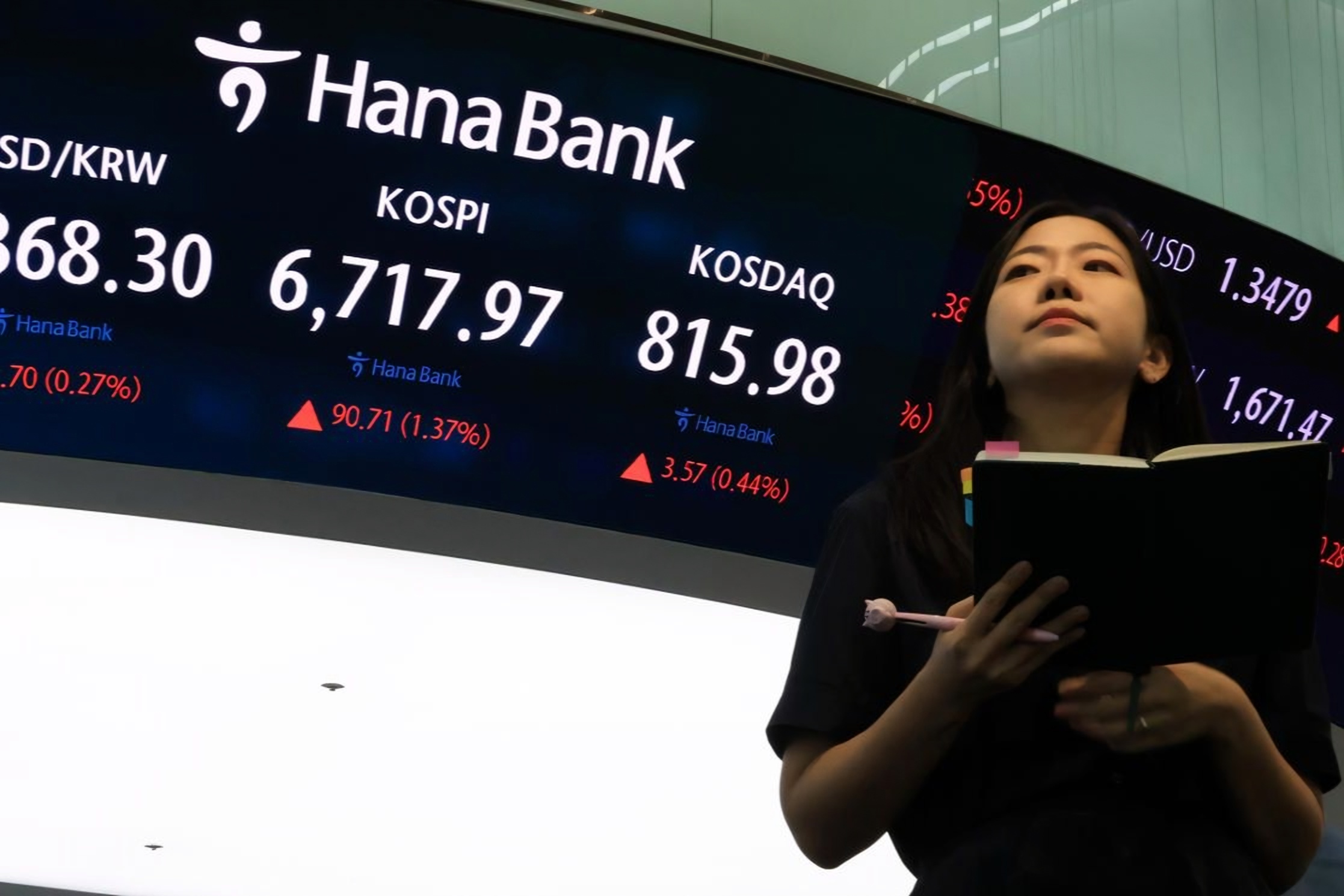
Nearly 230 million shares in listed companies are set to exit lock-up restrictions this month, sparking concerns about potential overhang in the stock market, according to industry officials. The mandatory lock-up system prevents major shareholders, among others, from selling their holdings for a specified period after a company goes public, aiming to avoid a sudden surge of shares that could negatively impact other investors.
Once the lock-up period ends, these shares become freely tradable. A significant release of these locked shares can lead investors to sell ahead of the anticipated increase in supply, causing downward pressure on stock prices and potentially prompting more selling, a phenomenon known as an "overhang." This risk is particularly pronounced for companies whose shares are already trading below their initial public offering (IPO) prices.
If a substantial amount of newly unlocked stock is sold into a weak market, it could exacerbate selling pressure and deepen losses for existing shareholders. In total, 229.48 million shares across 38 listed companies are coming off lock-up this month.
Written by urgent.news from The Korea Times's reporting — not their text. Machine-written — may contain errors; check the original before relying on it.
This story
This is one outlet's version. Read the fullest account.
- Korean stocks face overhang as 230 mil. shares come off lock-up koreatimes.co.kr